

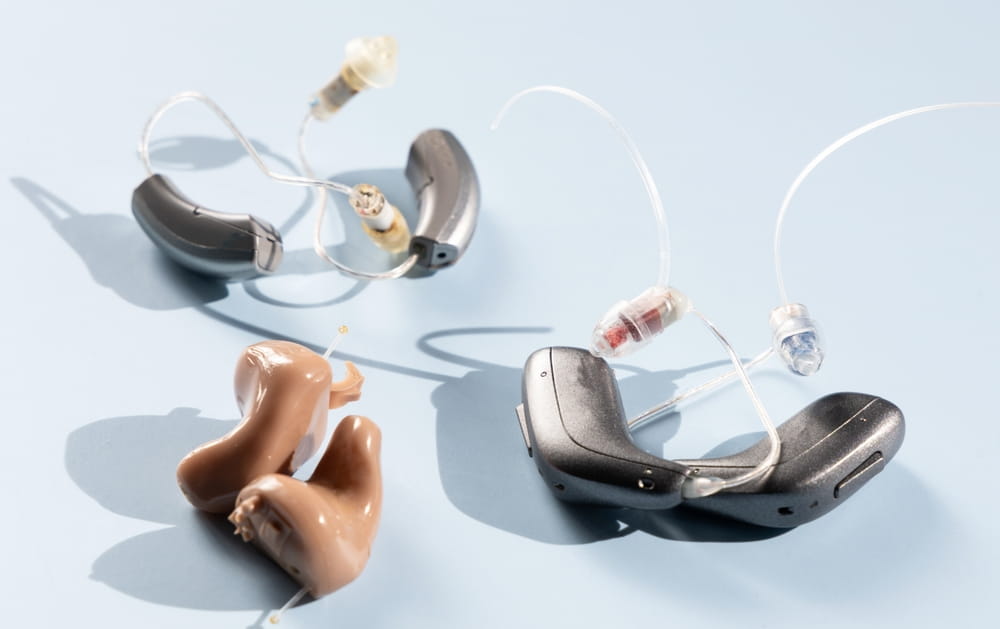
The world of hearing aid technology has evolved considerably in recent years. Today’s devices feature enhanced sound processing, smarter handling of background noise, wireless connectivity options, and sleeker, more comfortable designs compared to earlier models. This progress often prompts current users to wonder whether the time has come to consider an upgrade.
Although hearing aids are built to withstand years of daily wear, both the technology inside them and a person’s hearing profile can shift over time. A device that once performed reliably may begin to fall short in newer listening situations or as hearing patterns gradually change. Anne Arundel ENT & Facial Plastic Surgery offers guidance for patients in Annapolis and Severna Park who are interested in learning when an upgrade might make sense and how advances in hearing aid technology can contribute to clearer conversations and easier everyday listening.
How Hearing Aid Technology Continues to Evolve
Modern hearing aids do far more than simply amplify sound. Today’s devices use advanced digital processing systems that help separate speech from background noise, automatically adjust to changing environments, and connect directly to smartphones and other electronic devices.
As technology improves, hearing aids become better at managing complex listening situations such as restaurants, meetings, and outdoor environments. Features that were unavailable several years ago may now significantly improve speech clarity and listening comfort.
Learning more about hearing aid dispensing and maintenance can help explain how hearing aids are fitted, programmed, and updated to match changing hearing needs and technology advancements.
Signs Hearing Aids May No Longer Meet Daily Needs
One of the most common reasons people consider upgrading hearing aids is difficulty hearing clearly in previously manageable situations.
For example, conversations in noisy restaurants or group settings may begin to feel more difficult even while wearing hearing aids regularly. Some individuals notice increased listening fatigue or find themselves asking others to repeat themselves more often.
In some cases, the hearing aids themselves are functioning properly, but newer technology may offer better performance in challenging environments. In other cases, hearing changes may have progressed since the original devices were fitted.
Because hearing can gradually change over time, regular hearing evaluations help determine whether devices still align with current hearing levels.
Changes in Hearing Over Time
Hearing loss often progresses gradually. Even small changes in hearing sensitivity can affect how speech sounds are processed and understood.
When hearing changes occur, older hearing aids may no longer provide the appropriate level of amplification or sound adjustment. This can affect speech clarity, especially for higher-frequency sounds that are important for understanding conversation.
Understanding conditions such as hearing loss helps explain why periodic hearing evaluations are important and why hearing aid settings may need adjustment or replacement over time.
Difficulty Hearing in Noise
Background noise remains one of the biggest challenges for hearing aid users. Older hearing aids often amplified all sounds equally, making noisy environments particularly difficult.
Newer devices use advanced directional microphones and digital noise reduction systems to prioritize speech while reducing surrounding distractions.
If restaurants, meetings, or social gatherings consistently feel difficult despite regular hearing aid use, newer technology may provide improved support in these situations.
Connectivity and Smart Features
Wireless connectivity has become one of the biggest advancements in hearing aid technology. Many modern devices now connect directly to smartphones, televisions, tablets, and computers using Bluetooth technology.
This allows phone calls, music, and streamed audio to play directly through the hearing aids, often improving clarity and reducing background interference.
Some devices also include smartphone apps that allow users to adjust settings, change listening programs, or monitor battery life more easily.
Individuals using older hearing aids may consider upgrading if they want access to these newer communication features.
Rechargeable Battery Technology
Rechargeable hearing aids have become increasingly popular because they simplify daily device management. Instead of changing small disposable batteries regularly, users can recharge their hearing aids overnight.
For active adults or individuals with dexterity concerns, rechargeable technology may provide greater convenience and reliability.
Understanding how hearing aids support modern lifestyles, including work and travel, can help explain why many users choose newer rechargeable devices over older battery-operated models.
Physical Wear and Device Performance
Hearing aids are worn daily and exposed to moisture, earwax, temperature changes, and physical handling. Over time, these factors can affect device performance.
Signs of aging hearing aids may include:
- Reduced sound quality
- Frequent repairs
- Shortened battery life
- Intermittent sound issues
- Difficulty holding adjustments
Although maintenance and repairs may help extend device life, repeated performance problems may indicate that replacement should be considered.
Comfort and Design Improvements
Hearing aid design has also improved significantly. Newer devices are often smaller, lighter, and more ergonomic than older models.
Advances in fit and comfort help make long-term wear easier during work, exercise, and social activities. Improved moisture resistance and durability also support more active lifestyles.
Because comfort affects how consistently hearing aids are worn, design improvements may contribute to better overall hearing experiences.
The Importance of Regular Hearing Evaluations
Routine hearing evaluations are important even for individuals already wearing hearing aids. These evaluations help determine whether hearing levels have changed and whether current devices continue to provide adequate support.
Audiologists can compare current hearing performance with previous results and evaluate how hearing aids are functioning in different listening situations.
Evaluations may also help identify whether updated programming, maintenance, or newer technology would improve communication and listening comfort.
Understanding When It May Be Time to Upgrade
Replacing hearing aids doesn’t follow a fixed schedule. Many considerations come into play, such as how a person’s hearing has shifted, what their daily routine demands, how well the current device is holding up, and what fresh innovations have entered the market.
For certain users, an older pair of hearing aids may continue performing dependably for many years to come. For others, the latest features can make a noticeable difference when it comes to picking up speech clearly and feeling at ease while listening in typical day-to-day surroundings.
Tuning in to subtle shifts in the hearing experience—whether during conversations, in busier acoustic settings, or with the dependability of the device itself—can serve as a helpful guide for knowing when an upgrade is worth weighing. Anne Arundel ENT & Facial Plastic Surgery welcomes patients from Annapolis and Severna Park, MD, who are looking to explore today’s hearing aid technology, recognize how their own hearing needs may be evolving, and discover how audiology evaluations can clarify whether a new device might enhance communication and overall quality of life.
Sources
Dillon, H. (2012). Hearing Aids. Thieme Medical Publishers.
Bentler, R., & Wu, Y. (2018). Modern hearing aid technologies. Trends in Amplification.
McPherson, B. (2016). Innovations in hearing aid technology and rehabilitation. International Journal of Audiology.