

Tinnitus Evaluation and Management

Tinnitus Evaluation and Management, also known as ringing in the ears care, is a specialized service that identifies causes and offers relief strategies.

At AAENT, located in Severna Park and Annapolis, Maryland, our providers use advanced diagnostic tools and personalized treatment plans to help patients reduce tinnitus symptoms and improve quality of life.

ear ringing from tinnitus

Tinnitus, often described as ringing, buzzing, hissing, or clicking in the ears, can be a frustrating and disruptive condition. While it is usually a symptom rather than a disease itself, it can significantly affect quality of life. At Anne Arundel ENT & Facial Plastic Surgery, we provide thorough tinnitus evaluation and personalized management plans to help reduce the impact of this condition.

Understanding Tinnitus

Tinnitus is the perception of sound when no external noise is present. Tinnitus can manifest in many different ways, and the sounds people hear can vary widely. Some of the most common descriptions include:

  • Ringing: A clear, high-pitched or low-pitched ringing in one or both ears.
  • Buzzing: Similar to the hum of electrical equipment or a beehive.
  • Hissing: A soft, constant hiss like steam or white noise.
  • Clicking or Pulsing: Rhythmic sounds that may match your heartbeat (pulsatile tinnitus).
  • Roaring: A low, continuous sound resembling ocean waves or wind.
  • Whistling: A high, squealing tone that comes and goes.

The perception can be constant or intermittent, mild or overwhelming, and sometimes more noticeable in quiet environments. The type and pattern of the sound can help specialists determine potential underlying causes.

Did You Know?

Tinnitus is usually a symptom, rather than a disease itself. While many cases are associated with age-related hearing loss or noise exposure, other causes include ear infections, earwax buildup, medications, and certain medical conditions affecting the ear or nervous system.

Why Evaluation is Important

Proper evaluation is crucial because tinnitus can sometimes indicate an underlying condition that requires treatment. A detailed assessment helps determine the cause, severity, and most effective management strategies. Early evaluation can prevent the condition from worsening and provide options to improve daily comfort and hearing function. Some of the most common causes of tinnitus include:

  • Hearing Loss: Age-related hearing loss (presbycusis) or damage from prolonged exposure to loud noises can trigger tinnitus.
  • Earwax Blockage: Excess earwax can block the ear canal, causing pressure changes that lead to tinnitus.
  • Ear Infections or Fluid: Infections or fluid buildup in the middle ear can irritate the auditory system and create ringing or buzzing.
  • Medications: Certain medications, such as high doses of aspirin, some antibiotics, or chemotherapy drugs, can contribute to tinnitus.
  • Medical Conditions: High blood pressure, diabetes, thyroid disorders, or vascular issues may affect the ear or auditory nerve and lead to tinnitus.
  • Jaw or Neck Issues: Temporomandibular joint (TMJ) disorders or cervical spine problems can sometimes cause or worsen tinnitus.
  • Head or Neck Injuries: Trauma to the head or neck may impact hearing or auditory nerve function, triggering tinnitus.
  • Stress and Fatigue: Emotional stress, anxiety, or fatigue can make tinnitus more noticeable and bothersome.

Because tinnitus can have multiple contributing factors, a comprehensive evaluation is important to identify the cause and guide effective management.

What to Expect During a Tinnitus Evaluation

At Anne Arundel ENT & Facial Plastic Surgery, our tinnitus evaluation is designed to be thorough, comfortable, and informative. Here’s what you can expect during your visit:

  1. Medical History Review: Your provider will ask detailed questions about your tinnitus, including when it started, the type of sounds you hear, any associated symptoms, and your medical history. This helps identify potential causes and contributing factors.
  2. Physical Examination: A comprehensive ear, nose, and throat exam will be performed to check for earwax buildup, infections, or structural issues that may be affecting your hearing.
  3. Hearing Assessment: Standard audiology tests, such as pure-tone audiometry, help determine if hearing loss is contributing to your tinnitus. This also provides a baseline to track changes over time.
  4. Additional Testing if Needed: In certain cases, your provider may recommend imaging studies like an MRI or CT scan to rule out underlying conditions affecting the auditory system.
  5. Discussion of Findings and Management Options: After the evaluation, your provider will explain the results and discuss personalized management strategies. These may include sound therapy, hearing aids, cognitive behavioral therapy, or lifestyle adjustments to reduce the impact of tinnitus.

Our goal is to identify the root cause of your tinnitus and create a tailored plan to improve your quality of life.

Management and Treatment Options

While there is no universal cure for tinnitus, many effective management strategies can significantly reduce its impact:

  • Sound Therapy: Using white noise machines, hearing aids, or masking devices to help divert attention from the tinnitus.
  • Cognitive Behavioral Therapy (CBT): Counseling techniques to manage the emotional response to tinnitus and improve coping strategies.
  • Hearing Aids: For patients with hearing loss, hearing aids can reduce tinnitus perception by improving overall hearing.
  • Medical Management: Treating underlying causes such as ear infections, medication side effects, or vascular issues.
  • Lifestyle Modifications: Stress reduction, limiting caffeine or alcohol, and protecting your ears from loud noise can help alleviate symptoms.

When to Seek Care

Seek evaluation if you experience:

  • Sudden onset of tinnitus
  • Tinnitus accompanied by dizziness, hearing loss, or pain
  • Tinnitus that affects sleep, concentration, or daily activities

If you are struggling with persistent ringing or buzzing in your ears, early intervention can provide relief and prevent complications. At Anne Arundel ENT & Facial Plastic Surgery, our team of experts offers comprehensive tinnitus evaluation and tailored management plans to improve your quality of life. Schedule an appointment today to take the first step toward relief.

Struggling With Ringing in Your Ears? Schedule Your Tinnitus Evaluation Today.
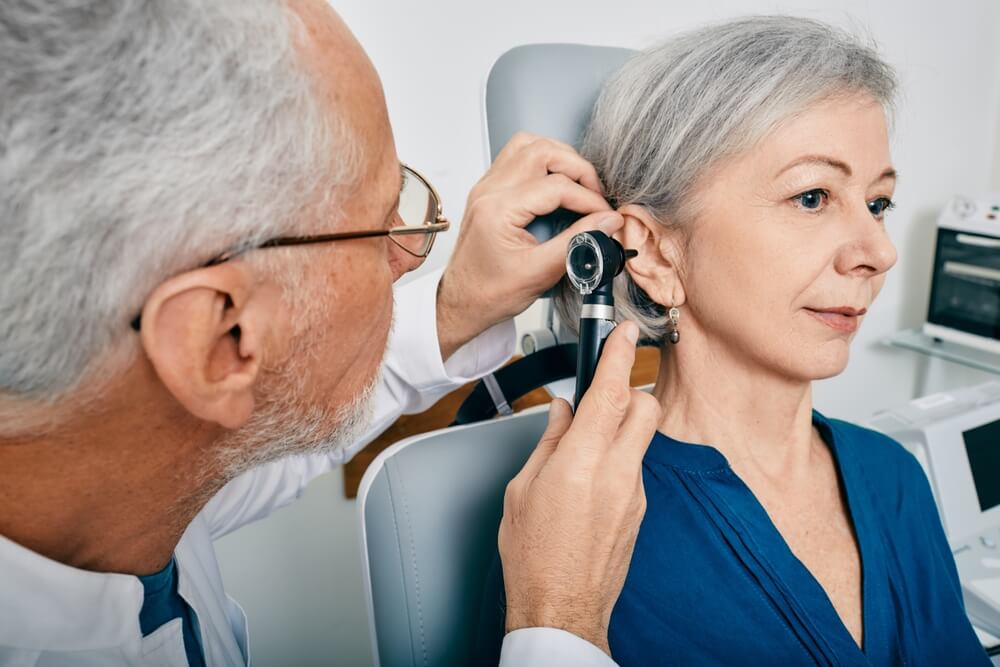
elderly woman getting her ears checked
ear ringing from tinnitus

Tinnitus Evaluation and Management, also known as ringing in the ears care, is a specialized service that identifies causes and offers relief strategies.

At AAENT, located in Severna Park and Annapolis, Maryland, our providers use advanced diagnostic tools and personalized treatment plans to help patients reduce tinnitus symptoms and improve quality of life.

ear ringing from tinnitus

Tinnitus, often described as ringing, buzzing, hissing, or clicking in the ears, can be a frustrating and disruptive condition. While it is usually a symptom rather than a disease itself, it can significantly affect quality of life. At Anne Arundel ENT & Facial Plastic Surgery, we provide thorough tinnitus evaluation and personalized management plans to help reduce the impact of this condition.

Understanding Tinnitus

Tinnitus is the perception of sound when no external noise is present. Tinnitus can manifest in many different ways, and the sounds people hear can vary widely. Some of the most common descriptions include:

  • Ringing: A clear, high-pitched or low-pitched ringing in one or both ears.
  • Buzzing: Similar to the hum of electrical equipment or a beehive.
  • Hissing: A soft, constant hiss like steam or white noise.
  • Clicking or Pulsing: Rhythmic sounds that may match your heartbeat (pulsatile tinnitus).
  • Roaring: A low, continuous sound resembling ocean waves or wind.
  • Whistling: A high, squealing tone that comes and goes.

The perception can be constant or intermittent, mild or overwhelming, and sometimes more noticeable in quiet environments. The type and pattern of the sound can help specialists determine potential underlying causes.

Did You Know?

Tinnitus is usually a symptom, rather than a disease itself. While many cases are associated with age-related hearing loss or noise exposure, other causes include ear infections, earwax buildup, medications, and certain medical conditions affecting the ear or nervous system.

Why Evaluation is Important

Proper evaluation is crucial because tinnitus can sometimes indicate an underlying condition that requires treatment. A detailed assessment helps determine the cause, severity, and most effective management strategies. Early evaluation can prevent the condition from worsening and provide options to improve daily comfort and hearing function. Some of the most common causes of tinnitus include:

  • Hearing Loss: Age-related hearing loss (presbycusis) or damage from prolonged exposure to loud noises can trigger tinnitus.
  • Earwax Blockage: Excess earwax can block the ear canal, causing pressure changes that lead to tinnitus.
  • Ear Infections or Fluid: Infections or fluid buildup in the middle ear can irritate the auditory system and create ringing or buzzing.
  • Medications: Certain medications, such as high doses of aspirin, some antibiotics, or chemotherapy drugs, can contribute to tinnitus.
  • Medical Conditions: High blood pressure, diabetes, thyroid disorders, or vascular issues may affect the ear or auditory nerve and lead to tinnitus.
  • Jaw or Neck Issues: Temporomandibular joint (TMJ) disorders or cervical spine problems can sometimes cause or worsen tinnitus.
  • Head or Neck Injuries: Trauma to the head or neck may impact hearing or auditory nerve function, triggering tinnitus.
  • Stress and Fatigue: Emotional stress, anxiety, or fatigue can make tinnitus more noticeable and bothersome.

Because tinnitus can have multiple contributing factors, a comprehensive evaluation is important to identify the cause and guide effective management.

What to Expect During a Tinnitus Evaluation

At Anne Arundel ENT & Facial Plastic Surgery, our tinnitus evaluation is designed to be thorough, comfortable, and informative. Here’s what you can expect during your visit:

  1. Medical History Review: Your provider will ask detailed questions about your tinnitus, including when it started, the type of sounds you hear, any associated symptoms, and your medical history. This helps identify potential causes and contributing factors.
  2. Physical Examination: A comprehensive ear, nose, and throat exam will be performed to check for earwax buildup, infections, or structural issues that may be affecting your hearing.
  3. Hearing Assessment: Standard audiology tests, such as pure-tone audiometry, help determine if hearing loss is contributing to your tinnitus. This also provides a baseline to track changes over time.
  4. Additional Testing if Needed: In certain cases, your provider may recommend imaging studies like an MRI or CT scan to rule out underlying conditions affecting the auditory system.
  5. Discussion of Findings and Management Options: After the evaluation, your provider will explain the results and discuss personalized management strategies. These may include sound therapy, hearing aids, cognitive behavioral therapy, or lifestyle adjustments to reduce the impact of tinnitus.

Our goal is to identify the root cause of your tinnitus and create a tailored plan to improve your quality of life.

Management and Treatment Options

While there is no universal cure for tinnitus, many effective management strategies can significantly reduce its impact:

  • Sound Therapy: Using white noise machines, hearing aids, or masking devices to help divert attention from the tinnitus.
  • Cognitive Behavioral Therapy (CBT): Counseling techniques to manage the emotional response to tinnitus and improve coping strategies.
  • Hearing Aids: For patients with hearing loss, hearing aids can reduce tinnitus perception by improving overall hearing.
  • Medical Management: Treating underlying causes such as ear infections, medication side effects, or vascular issues.
  • Lifestyle Modifications: Stress reduction, limiting caffeine or alcohol, and protecting your ears from loud noise can help alleviate symptoms.

When to Seek Care

Seek evaluation if you experience:

  • Sudden onset of tinnitus
  • Tinnitus accompanied by dizziness, hearing loss, or pain
  • Tinnitus that affects sleep, concentration, or daily activities

If you are struggling with persistent ringing or buzzing in your ears, early intervention can provide relief and prevent complications. At Anne Arundel ENT & Facial Plastic Surgery, our team of experts offers comprehensive tinnitus evaluation and tailored management plans to improve your quality of life. Schedule an appointment today to take the first step toward relief.

Struggling With Ringing in Your Ears? Schedule Your Tinnitus Evaluation Today.

elderly woman getting her ears checked

Share this page!