
It’s a common belief among adults that a hearing test is something to schedule only after noticeable problems arise. In reality, shifts in hearing tend to occur slowly and quietly, which makes them tough to detect during the earliest phases. The brain has a remarkable way of compensating for small auditory changes, so a person may not fully grasp how much their hearing has declined until everyday conversations start to feel like a struggle.
Scheduling hearing checks on a regular basis can catch these changes before they begin to interfere with talking to loved ones, performing well at work, or engaging socially. In much the same way that eye exams and annual physicals contribute to general wellness, periodic hearing assessments offer meaningful information about how the auditory system is functioning as the years go by. Patients across the state of Maryland can turn to Anne Arundel ENT & Facial Plastic Surgery to learn more about the value of preventive hearing testing and the ways early detection helps protect hearing health for the long haul.
How Hearing Changes Develop Gradually
Hearing loss often occurs slowly rather than suddenly. Small changes in hearing sensitivity may happen over many years, making them easy to overlook.
In the early stages, individuals may still hear most sounds adequately in quiet settings. However, subtle difficulties often begin appearing in more complex listening environments, such as restaurants, meetings, or group conversations.
Because these changes occur gradually, the brain may compensate by relying more heavily on context clues, lip reading, or increased listening effort. As a result, many people believe their hearing is normal even while early changes are developing.
Learning more about full audiology testing can help explain how hearing evaluations identify subtle changes that may not yet be obvious in daily life.
Why Early Hearing Changes Are Easy to Miss
One reason hearing loss often goes unnoticed is that certain frequencies are affected before others. High-frequency sounds—such as consonants like “s,” “f,” and “th”—are commonly affected early.
These sounds contribute heavily to speech clarity rather than volume. This means speech may begin sounding less distinct or more muffled, even while overall loudness seems normal.
Many adults initially notice difficulty understanding conversations in noisy environments rather than realizing they have hearing loss directly. Because hearing changes often appear gradually, family members or friends may notice communication difficulties before the individual does.
The Importance of Speech Understanding
Hearing tests evaluate more than the ability to detect tones. Speech understanding is another critical part of hearing health.
Even mild hearing changes can affect how well the brain processes speech, especially when background noise is present. Preventive testing helps identify these subtle communication changes before they significantly interfere with daily interaction.
Conditions involving hearing loss help explain why early detection is important for maintaining communication and reducing listening fatigue over time.
Hearing and Cognitive Effort
When hearing becomes less efficient, the brain must work harder to process conversations. This increased listening effort may lead to mental fatigue, especially during long conversations or noisy situations.
Many individuals adapt without realizing how much additional concentration they are using to follow speech. Over time, this increased cognitive effort can make social settings feel tiring or frustrating.
Routine hearing evaluations can help identify changes before communication begins requiring excessive effort.
Noise Exposure and Everyday Risk Factors
Hearing changes are not limited to older adults. Every day noise exposure can affect hearing at any age.
Frequent exposure to loud music, machinery, sporting events, power tools, or traffic noise may gradually damage the delicate sensory cells inside the inner ear.
Because this damage often occurs slowly and painlessly, many people are unaware that hearing changes are developing. Preventive hearing testing helps establish a baseline and monitor hearing over time, particularly for individuals regularly exposed to noisy environments.
Why Preventive Testing Matters for Adults
Preventive hearing testing provides a snapshot of current hearing ability and allows changes to be tracked over time.
By identifying hearing changes early, audiologists can better understand patterns in hearing sensitivity and speech understanding before symptoms become more noticeable.
Regular evaluations are especially important for adults with risk factors such as:
- Age-related hearing changes
- Occupational noise exposure
- Family history of hearing loss
- Frequent tinnitus or ringing in the ears
- Ongoing difficulty hearing in noise
Monitoring hearing health over time helps identify subtle shifts that may otherwise go unnoticed.
Tinnitus and Early Hearing Changes
Tinnitus, commonly described as ringing or buzzing in the ears, is often associated with hearing changes. In some cases, tinnitus appears before noticeable hearing difficulty develops.
Understanding services such as tinnitus evaluation and management can help explain how hearing evaluations assess both auditory sensitivity and symptoms affecting the auditory system.
Because tinnitus and hearing loss frequently occur together, hearing assessments may provide valuable information even when hearing seems relatively normal.
What Happens During a Preventive Hearing Test
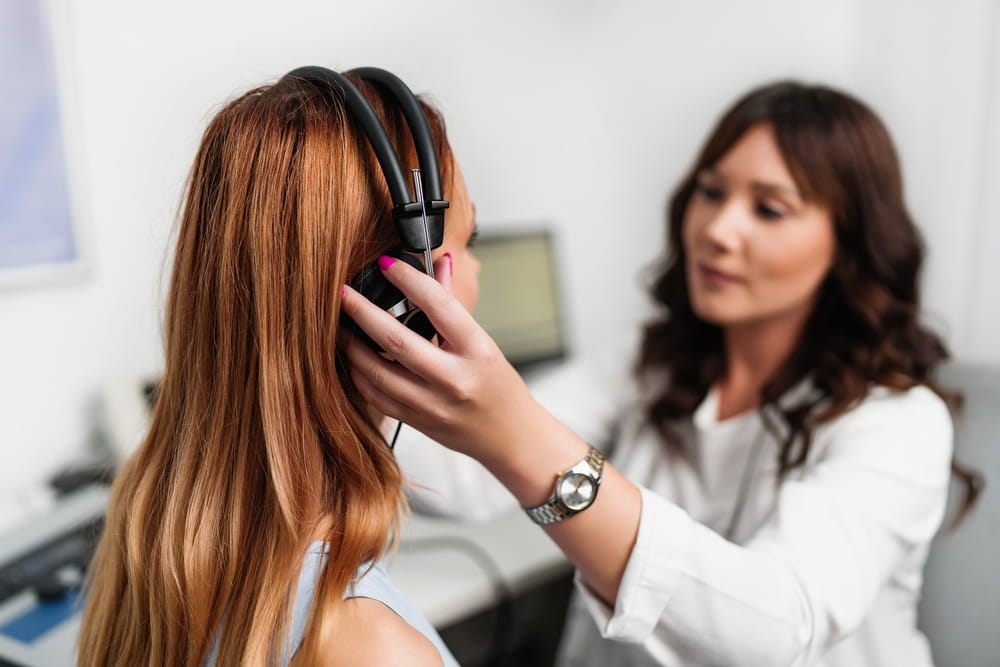
A hearing evaluation is noninvasive and designed to assess different aspects of auditory function. Audiologists measure hearing sensitivity across multiple frequencies and evaluate how clearly speech is understood.
Testing may also assess how hearing performs in different listening conditions, including speech recognition in background noise.
These evaluations provide detailed information about how the ears and auditory system are functioning, even when symptoms appear mild or absent.
The Benefits of Establishing a Baseline
One important advantage of preventive testing is establishing a hearing baseline. A baseline provides a reference point for future comparisons, making it easier to detect changes over time.
Without previous hearing results, gradual changes may be harder to recognize. Regular testing allows audiologists to track trends and identify shifts in hearing before they significantly affect communication.
This approach supports long-term hearing awareness and early identification of auditory changes.
Understanding the Value of Preventive Hearing Care
Hearing loss tends to creep in at a slow pace, which makes the smaller changes early on easy to overlook. Preventive hearing checks make it possible to catch those subtle shifts well before they grow into communication challenges that disrupt daily life.
When adults keep tabs on their hearing through regular evaluations, they gain a clearer sense of how well their ears are doing the job and can spot early trends that might otherwise slip by unnoticed. Anne Arundel ENT & Facial Plastic Surgery supports patients in Annapolis and Severna Park who are curious about preventive hearing testing, the value of catching hearing changes early, and the ways routine audiology appointments contribute to lasting communication and hearing wellness.
Sources
Lin, F. R., Niparko, J. K., & Ferrucci, L. (2011). Hearing loss prevalence in the United States. Archives of Internal Medicine.
World Health Organization (WHO). (2021). World report on hearing.
Humes, L. E. (2013). Understanding the speech-understanding problems of older adults. American Journal of Audiology.