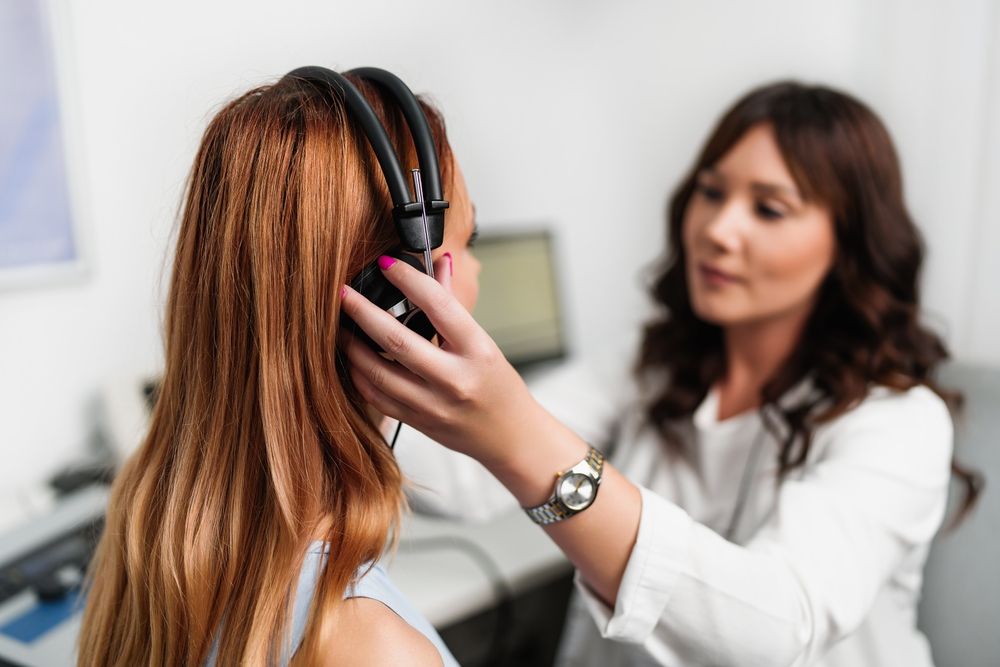


Hearing aids work best when sound can move clearly through the ear canal and into the device without obstruction. For many hearing aid users, excess earwax is one of the most common reasons sound becomes muffled, distorted, or inconsistent. Even a small amount of wax can block a receiver, interfere with a microphone, or make a device feel uncomfortable in the ear. Because hearing aids are worn for many hours each day, they can also make it harder for earwax to clear naturally.
Professional earwax removal helps protect both the ears and the technology patients rely on for daily communication. At Anne Arundel ENT & Facial Plastic Surgery in Annapolis and Severna Park, audiology care focuses on helping patients understand how healthy ear canals, proper device cleaning, and routine maintenance all work together to support clearer hearing.
Why Earwax Is Important
Earwax is a naturally occurring substance produced by glands within the ear canal. It serves several protective purposes by trapping dust, dirt, and other small particles before they reach the eardrum.
Cerumen also helps lubricate the ear canal and contains substances that discourage bacterial and fungal growth. In most people, earwax gradually moves out of the ear naturally through jaw movement and normal skin migration.
Because earwax serves an important protective function, the goal is not to eliminate it entirely but to manage excessive buildup when it begins causing problems.
Learning more about professional cerumen (earwax) removal helps explain how excess earwax can be safely evaluated and removed when necessary.
Why Hearing Aid Users Produce More Earwax Problems
Hearing aids sit within or near the ear canal for many hours each day. This can affect the ear’s normal ability to move wax outward naturally.
The presence of a hearing aid may gently block the natural migration of cerumen, allowing wax to accumulate more easily. In addition, inserting and removing hearing aids daily can sometimes push wax deeper into the ear canal.
Over time, this buildup may affect both hearing and hearing aid performance if not properly managed.
Because every individual produces different amounts of earwax, some hearing aid users require more frequent professional cleanings than others.
How Earwax Affects Hearing Aid Performance
Even a small amount of wax can interfere with hearing aid function. Earwax may block microphones, receivers, wax guards, or sound outlets, reducing sound quality and speech clarity.
Common signs that earwax may be affecting hearing aids include:
- Muffled sound quality
- Reduced volume
- Intermittent sound
- Whistling or feedback
- Hearing aids that seem less effective than before
In some cases, the hearing aid itself is functioning normally, but wax buildup prevents sound from reaching the ear effectively.
Understanding hearing aid dispensing and maintenance helps explain why regular maintenance and ear health work together to support optimal hearing aid performance.
Earwax Can Affect Hearing Even Without Hearing Aids
Excess earwax does not only affect hearing aid users. Significant cerumen buildup can partially block the ear canal, reducing the amount of sound reaching the eardrum.
This may create symptoms such as:
- Muffled hearing
- Ear fullness
- Pressure
- Ringing in the ears
- Difficulty understanding conversations
When hearing aid users experience these symptoms, both the ear canal and the hearing aid should be evaluated to determine the underlying cause.
Why Professional Removal Is Recommended
Many people attempt to remove earwax at home using cotton swabs or other objects. However, these methods often push wax deeper into the ear canal instead of removing it.
Deeper impaction may increase discomfort and make hearing problems worse. In some cases, improper cleaning may even injure the ear canal or eardrum.
Professional earwax removal allows trained providers to safely remove excess cerumen using specialized instruments and techniques designed to protect the ear.
This approach helps restore hearing while minimizing unnecessary irritation to the delicate structures of the ear canal.
The Relationship Between Ear Health and Hearing Tests
Clear ear canals are important for obtaining accurate hearing test results. Excessive wax can reduce hearing sensitivity during testing and may create results that do not accurately reflect true hearing ability.
Before performing hearing evaluations, audiologists often inspect the ear canal to ensure that cerumen is not interfering with testing.
Learning more about full audiology testing helps explain why ear health is an important part of obtaining reliable hearing assessment results.
Maintaining healthy ear canals supports both accurate evaluations and optimal hearing aid programming.
Routine Maintenance Helps Protect Hearing Technology
Professional earwax removal is only one part of hearing aid care. Routine maintenance appointments also allow audiologists to inspect hearing aids for wax buildup, clean device components, and ensure they continue operating properly.
Addressing wax buildup early may help prevent unnecessary repairs and extend the life of hearing aids.
Because hearing aids represent an important investment in communication, protecting them through routine care supports long-term performance and reliability.
Signs It May Be Time for Earwax Removal
Not every hearing aid user requires earwax removal on the same schedule. However, certain symptoms may indicate that evaluation is appropriate.
These include:
- Hearing aids suddenly sounding quieter
- Persistent ear fullness
- Increased feedback or whistling
- Visible wax around hearing aids
- Difficulty inserting hearing aids comfortably
- Changes in hearing despite properly functioning devices
A professional evaluation can determine whether earwax buildup is contributing to these symptoms.
Protecting Your Hearing and Hearing Aids
Professional earwax removal is an important part of hearing aid care because it addresses a problem that can quietly reduce performance over time. When wax builds up in the ear canal or collects on device components, hearing aids may seem weaker even when the technology itself is functioning correctly. Regular evaluation helps identify whether changes in sound quality are related to wax, hearing levels, device maintenance, or a combination of factors. For hearing aid users, keeping the ears clear and the devices clean can make daily listening more comfortable and reliable. It can also help prevent unnecessary frustration when a simple blockage is affecting clarity.
Anne Arundel ENT & Facial Plastic Surgery helps patients in Annapolis and Severna Park better understand the connection between cerumen management, hearing aid performance, and long-term audiology care, so they can continue getting the most from their hearing technology.
Sources
Roland, P. S., et al. (2008). Clinical practice guideline: Cerumen impaction. Otolaryngology–Head and Neck Surgery.
American Academy of Otolaryngology–Head and Neck Surgery Foundation. (2017). Clinical Practice Guideline: Cerumen Impaction (Update).
Dillon, H. (2012). Hearing Aids. Thieme Medical Publishers.