

Hearing aids have evolved far beyond the large, basic devices many people remember from years ago. Modern hearing aids are designed with flexibility, comfort, and mobility in mind, allowing individuals to stay engaged in active routines that include work, exercise, travel, and social activities. Advances in technology have made today’s devices more adaptable to real-world environments and changing listening situations.
For active adults, hearing support needs often extend beyond quiet conversations at home. Busy workplaces, outdoor environments, airports, restaurants, and fitness activities all present unique listening challenges. Anne Arundel ENT & Facial Plastic Surgery serves patients in Annapolis, Severna Park, and the Baltimore area who want to better understand how modern hearing aid technology supports active lifestyles and everyday communication.
How Hearing Needs Change in Active Environments
Different environments place different demands on hearing. A quiet room requires far less listening effort than a crowded airport, an outdoor hiking trail, or a busy office meeting.
In active settings, background noise, wind, movement, and changing sound environments can make communication more difficult. Hearing aids designed for modern lifestyles are built to adapt to these conditions by adjusting sound processing automatically.
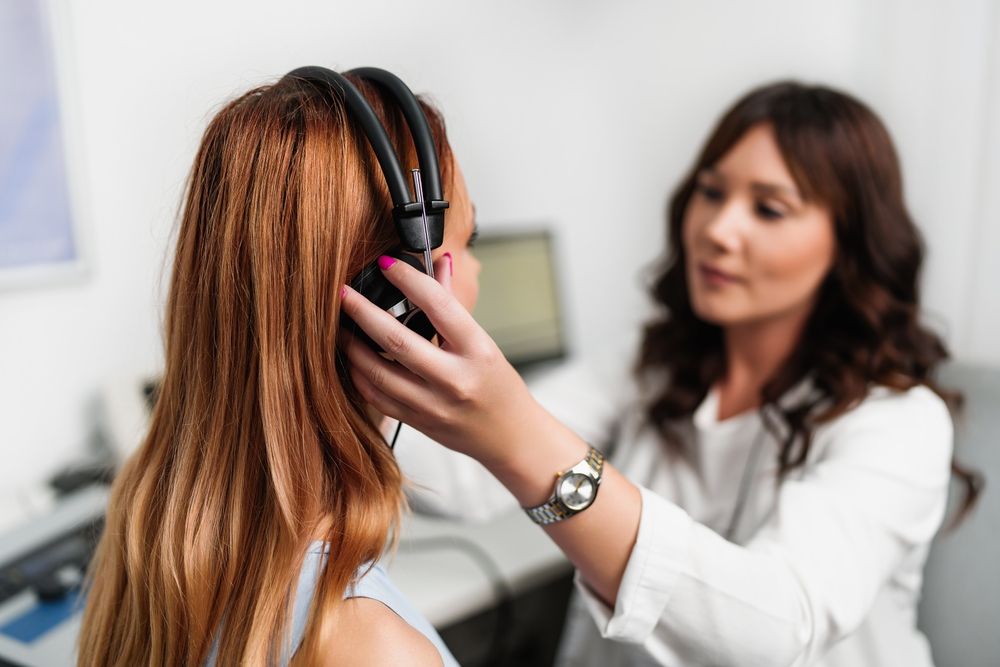
Instead of simply amplifying sound, modern hearing aids focus on improving speech clarity while reducing distracting noise. Learning more about hearing aid dispensing and maintenance can help explain how these devices are fitted and customized for different hearing needs and daily routines.
Hearing Aids and Workplace Communication
Work environments often involve complex listening situations. Meetings, phone calls, group discussions, and background office noise can all affect speech clarity.
Modern hearing aids include features such as directional microphones and digital sound processing that help focus on speech while reducing surrounding noise. This can make conversations easier to follow in conference rooms or open office settings.
Wireless connectivity has also become an important feature for professionals. Many hearing aids can connect directly to smartphones, computers, and other devices, allowing clearer audio streaming for calls and virtual meetings.
These features help support communication throughout the workday while adapting to changing environments.
Travel-Friendly Hearing Aid Features
Travel introduces additional listening challenges, including airport announcements, crowded transportation hubs, and unfamiliar environments. Modern hearing aids are designed with portability and convenience in mind, making them easier to manage while traveling.
Rechargeable hearing aids are especially popular among active travelers because they reduce the need to carry disposable batteries. Many charging systems are compact and portable, allowing devices to be recharged overnight while away from home.
Noise reduction features can also help in busy environments where background sounds compete with speech. Understanding conditions such as hearing loss helps explain why these technologies are especially helpful in situations with overlapping sounds and constant environmental noise.
Supporting Outdoor Activities and Exercise
Many active adults enjoy outdoor activities such as hiking, walking, cycling, or fitness classes. Modern hearing aids are designed to support these routines while remaining lightweight and comfortable.
Improved moisture resistance helps protect hearing aids from sweat and changing weather conditions. This is especially important for individuals who spend time exercising outdoors or participating in physically active hobbies.
Some hearing aids also include wind noise management features, which help reduce the disruptive sound of air movement during outdoor activities.
Because hearing plays an important role in environmental awareness, maintaining clear hearing during outdoor activities can support communication and situational awareness.
Automatic Environmental Adjustments
One of the most significant advancements in hearing aid technology is the ability to automatically adjust to changing environments.
Older hearing aids often required manual adjustments when moving from one setting to another. Modern devices can now recognize whether the user is in a quiet room, a noisy restaurant, an outdoor setting, or a moving vehicle and adjust sound processing accordingly.
This allows hearing aids to provide clearer listening experiences without requiring constant user input. For active individuals who move between different environments throughout the day, these automatic adjustments help maintain consistent performance.
Bluetooth and Wireless Connectivity
Wireless technology has transformed how hearing aids interact with everyday devices. Many modern hearing aids now include Bluetooth connectivity, allowing audio to stream directly from phones, tablets, televisions, and computers.
This feature can improve clarity during phone calls, video meetings, and entertainment by sending sound directly into the hearing aids without competing background noise.
For active adults who rely heavily on digital communication, wireless connectivity adds convenience and flexibility to daily routines.
Comfort and Discreet Design
Comfort is especially important for individuals who wear hearing aids throughout long and active days. Modern devices are significantly smaller and lighter than earlier models, making them easier to wear during extended activities.
Many hearing aids are designed to fit discreetly behind or inside the ear while remaining secure during movement. This allows users to stay active without worrying about the device shifting or becoming uncomfortable.
Advances in ergonomic design also help reduce irritation during prolonged wear.
Battery Life and Daily Reliability
Reliable battery performance is important for active lifestyles. Whether traveling, attending meetings, or participating in outdoor activities, hearing aids need to provide consistent performance throughout the day.
Rechargeable devices are designed to deliver all-day battery life on a single charge in many cases. Disposable battery models remain an option for individuals who prefer the flexibility of carrying spare batteries during long trips or outdoor excursions.
Understanding the differences between battery systems can help individuals choose devices that align with their daily routines and preferences.
Why Hearing Support Matters for Staying Active
Staying socially and physically active often depends on effective communication. Hearing difficulties can make conversations, group activities, and public interactions more challenging, especially in dynamic environments.
Modern hearing aids are designed to help individuals stay engaged in these activities by improving speech clarity and adapting to changing surroundings. Features such as noise reduction, wireless streaming, and automatic adjustments support communication across a variety of settings.
Understanding Hearing Aids for Active Adults
Today’s hearing aids are built to support more than quiet listening environments. Advances in digital technology have made it possible for hearing aids to adapt to busy workplaces, outdoor activities, travel, and social situations with greater ease and flexibility.
For active adults, these technologies help improve communication while supporting mobility and everyday participation. Anne Arundel ENT & Facial Plastic Surgery helps patients in Annapolis and Severna Park, MD, to better understand how modern hearing aids support active lifestyles and how audiology evaluations help determine the most appropriate hearing solutions.
Sources
Dillon, H. (2012). Hearing Aids. Thieme Medical Publishers.
Bentler, R., & Wu, Y. (2018). Modern hearing aid technologies. Trends in Amplification.
McPherson, B. (2016). Innovations in hearing aid technology and rehabilitation. International Journal of Audiology.