
A hearing aid spends every waking hour in one of the most challenging environments imaginable for sensitive electronics: warm, humid, occasionally waxy, and constantly handled. That modern devices hold up as well as they do is genuinely impressive, but they are not maintenance-free. Microphones can clog, tubing can dry, contacts can corrode, and earwax can interfere with sound output, often gradually enough that the user notices clarity slipping without recognizing why.
Many people assume a hearing aid will simply stop working when it needs attention. More commonly, it just stops working as well, with users compensating by turning the volume up or leaning in closer. The audiology team at Anne Arundel ENT & Facial Plastic Surgery regularly sees how meaningfully professional maintenance restores devices that patients across Annapolis and Severna Park, MD, had quietly written off as fading. The technology is impressive; the care it receives is what keeps it impressive.
How Hearing Aids Work Every Day
Hearing aids operate in challenging environments. They are exposed to body heat, moisture, earwax, dust, and daily handling while continuously processing sounds throughout the day.
Even with advances in technology and protective design, routine use naturally creates wear on microphones, receivers, tubing, charging contacts, and other components. Over time, small performance changes may develop that are not immediately noticeable.
Learning more about hearing aid dispensing and maintenance can help explain why ongoing care is essential for maintaining consistent hearing performance and device reliability.
Why Sound Quality Can Gradually Decline
Many hearing aid users assume a noticeable problem will occur if maintenance is needed. In reality, sound quality often changes gradually.
Small accumulations of earwax or debris can partially block microphones and sound outlets, reducing clarity without completely stopping device function. Users may simply feel that conversations seem less crisp or that speech requires more effort to understand.
Because these changes happen slowly, it can be difficult to determine whether the issue involves the hearing aid itself, a change in hearing, or both.
Professional maintenance helps identify and correct issues before they significantly affect communication.
Earwax Is a Common Cause of Hearing Aid Problems
Earwax is one of the most common reasons hearing aids require maintenance. Although earwax plays an important role in protecting the ear canal, it can interfere with hearing aid performance when it accumulates on device components.
Even small amounts of wax can affect microphones, receivers, filters, and sound ports. This may result in muffled sound, reduced volume, or intermittent performance.
Understanding services such as cerumen (earwax) removal helps explain how ear health and hearing aid performance are closely connected.
Regular cleaning and professional inspections help prevent earwax buildup from affecting sound quality.
Moisture and Environmental Exposure
Hearing aids are exposed to moisture every day through humidity, perspiration, and changes in temperature. Active lifestyles, outdoor activities, and seasonal weather can increase this exposure.
While modern devices include moisture-resistant features, long-term exposure can still affect sensitive electronic components.
Professional maintenance allows audiology providers to inspect devices for signs of moisture-related wear and ensure that components continue functioning properly.
Routine care may help identify issues before they become larger repair concerns.
Professional Cleaning Reaches Areas You Cannot
Daily cleaning at home is important, but professional maintenance provides a deeper level of care.
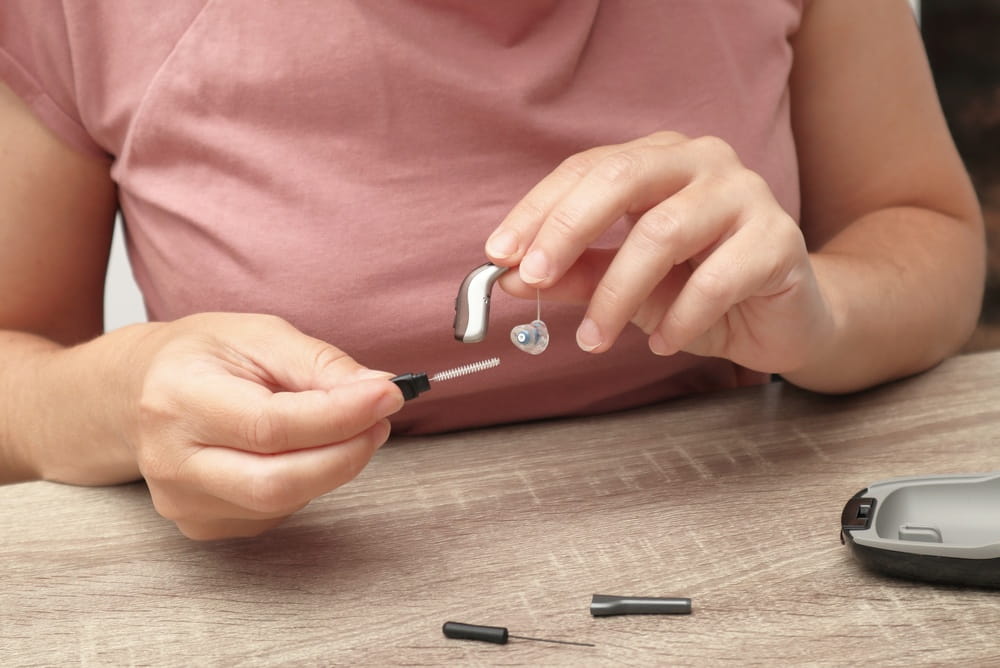
Audiologists use specialized tools designed to clean areas that are difficult to access without proper equipment. Tiny openings, microphone ports, filters, and receivers may accumulate debris that is not visible during routine cleaning.
Professional cleaning helps restore optimal sound quality while reducing the likelihood of performance problems caused by buildup.
These appointments also provide an opportunity to inspect devices for signs of wear that may not be obvious to the user.
Hearing Changes Can Affect Device Performance
Sometimes hearing aids appear to be performing poorly when the underlying issue is actually a change in hearing levels.
Hearing can change gradually over time, and devices may need adjustments to continue providing appropriate amplification. If hearing aids no longer seem as effective as they once did, a hearing evaluation may help determine whether hearing sensitivity has changed.
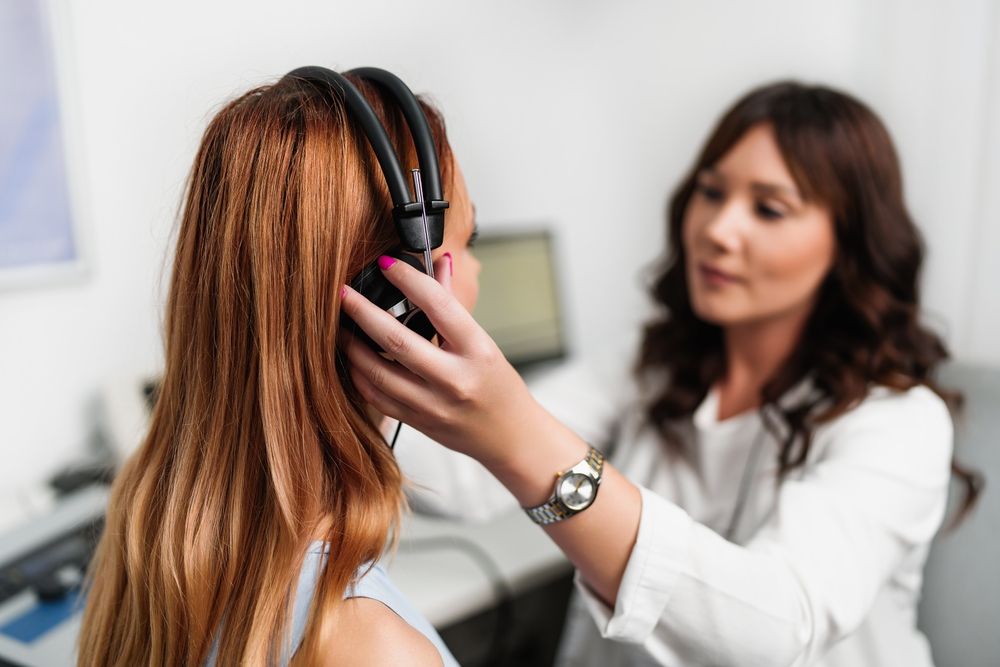
Learning more about full audiology testing can help explain how hearing assessments work alongside hearing aid maintenance to support long-term hearing success.
Regular testing ensures that hearing aid settings remain aligned with current hearing needs.
Battery and Charging System Checks
Battery performance plays an important role in hearing aid reliability. Rechargeable devices and traditional battery-powered models both benefit from periodic inspection.
Charging contacts, battery compartments, and power systems may experience wear over time. Professional maintenance helps identify declining battery performance before it causes unexpected interruptions.
For individuals who rely on hearing aids throughout the day, ensuring dependable battery function is an important part of maintaining communication and daily routines.
Comfort and Fit Matter Too
Hearing aid maintenance is not limited to electronics. Comfort and fit are equally important components of successful hearing aid use.
Changes in ear shape, earwax patterns, or device components may affect how hearing aids fit over time. A device that feels uncomfortable or unstable may not provide the best listening experience.
Professional visits allow providers to evaluate fit, inspect earmolds or domes, and make recommendations that improve comfort and performance.
Preventing Costly Repairs
Routine maintenance often helps identify small issues before they become larger problems. A minor blockage, worn filter, or loose component may be corrected quickly when detected early.
Without regular inspection, these small issues may contribute to reduced performance or more significant repairs later.
Preventive maintenance helps protect hearing aid investments and supports consistent device function over the long term.
Understanding the Value of Professional Hearing Aid Care
Hearing aids are an important part of daily life for many individuals, but even advanced technology requires ongoing care. Professional maintenance helps improve sound quality, extend device life, and ensure that hearing aids continue performing as intended.
Skipping that care does not break a hearing aid overnight; it just slowly erodes what made the device worth wearing in the first place. Anne Arundel ENT & Facial Plastic Surgery encourages patients from Annapolis and Severna Park, MD, to think of maintenance as part of hearing health rather than a separate chore, because the relationship between a well-cared-for device and a fully heard life is closer than most users realize.
Sources
Dillon, H. (2012). Hearing Aids. Thieme Medical Publishers.
American Academy of Audiology. (2023). Hearing aid care and maintenance guidelines.
McPherson, B. (2016). Innovations in hearing aid technology and rehabilitation. International Journal of Audiology.