
Hearing plays a critical role in how children learn to speak, communicate, and interact with the world around them. Because hearing is closely tied to language development and learning, even mild hearing difficulties can affect how a child processes information and engages socially. For many parents, it can be difficult to recognize when a child may need a hearing evaluation.
Unlike adults, children may not always be able to describe hearing problems clearly. Instead, the signs may appear gradually through changes in speech, behavior, or attention. Understanding when a pediatric hearing test may be helpful can support early awareness and provide insight into a child’s auditory development. Patients in Annapolis and Severna Park can seek more information about pediatric hearing health at Anne Arundel ENT & Facial Plastic Surgery.
Why Hearing Is Important for Child Development
Hearing is essential for language development, especially during the early years of life. Children learn to speak by listening to sounds, words, and patterns in speech. As they grow, hearing continues to support learning, communication, and social interaction.
When hearing is affected, children may miss important auditory cues that help them understand language. This can influence how they develop vocabulary, form sentences, and respond to others.
Even subtle hearing changes can make it harder to follow instructions, participate in classroom discussions, or engage in group activities. Learning more about pediatric hearing tests can help parents understand how hearing evaluations assess these abilities at different developmental stages.
Early Signs of Hearing Issues in Young Children
In infants and toddlers, hearing concerns may appear through developmental milestones. Because children at this stage are still learning to respond to sound, delays in these responses may indicate the need for evaluation.
Some early signs may include:
- Not reacting to loud sounds
- Limited response to voices or familiar sounds
- Delayed speech or limited babbling
- Difficulty recognizing their name
- Reduced interest in interactive sounds
These signs may vary depending on age, but consistent patterns of reduced response to sound may warrant further evaluation.
Signs in Preschool and School-Age Children
As children grow, hearing concerns may become more noticeable in communication and learning environments. School-age children rely heavily on hearing to follow instructions, participate in discussions, and develop academic skills.
Signs that may indicate hearing difficulties include:
- Frequently asking for repetition
- Difficulty following directions
- Turning up the volume on devices
- Trouble understanding speech in noisy environments
- Speaking more loudly or softly than expected
In classroom settings, children with hearing challenges may appear distracted or have difficulty keeping up with lessons. Understanding related conditions such as hearing loss can help explain how these changes affect speech clarity and comprehension.
How Hearing Issues Can Affect Speech Development
Speech and hearing are closely connected. When children do not hear sounds clearly, it can affect how they learn to produce those sounds.
This may lead to delays in speech development or difficulty pronouncing certain words. Some children may substitute sounds or omit parts of words because they are not hearing them accurately.
Over time, these challenges can affect communication and confidence in social interactions. Early awareness of hearing changes can help identify factors that may influence speech development.
The Impact on Learning and School Performance
Hearing plays a key role in classroom learning. Teachers often rely on verbal instruction, and children must be able to hear and process information quickly.
When hearing is reduced, children may miss parts of instructions or struggle to follow conversations. This can affect reading skills, comprehension, and overall academic performance.
In some cases, hearing difficulties may be mistaken for attention or behavioral concerns. Recognizing the role of hearing in learning can help clarify why certain challenges may occur.
Common Causes of Hearing Changes in Children
Hearing issues in children can have several causes. Some are temporary, while others may be ongoing.
Common causes include:
- Ear infections or fluid in the middle ear
- Earwax buildup
- Congenital hearing conditions
- Noise exposure
- Structural differences in the ear
Conditions involving ear congestion and pressure may also affect how sound travels through the ear, particularly when fluid or inflammation is present.
Because causes can vary, evaluation helps determine how the ear is functioning and whether hearing changes are temporary or persistent.
What Happens During a Pediatric Hearing Test
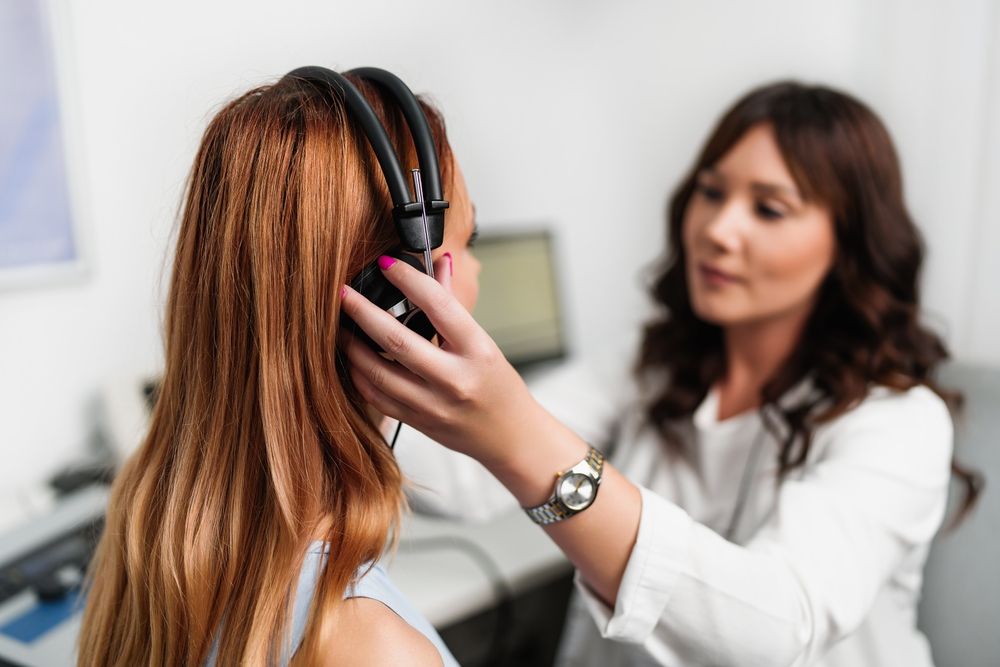
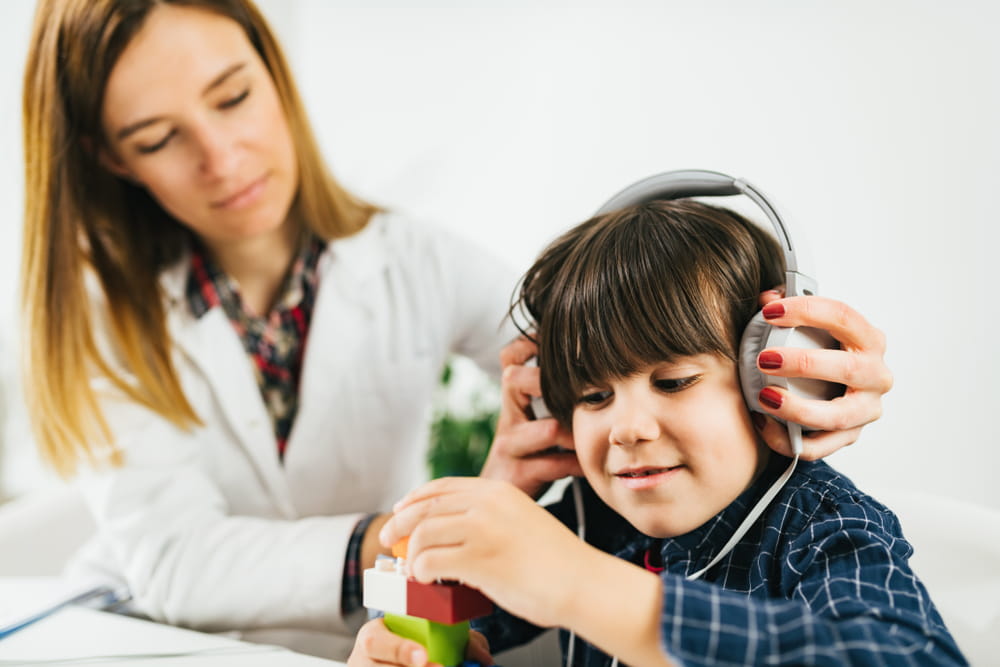
Pediatric hearing tests are designed to be age-appropriate and engaging for children. The type of test used depends on the child’s age and developmental level.
For younger children, tests may involve observing responses to sounds or using visual cues. For older children, more structured tests may be used to measure hearing sensitivity and speech understanding.
Audiologists create a comfortable environment to help children feel at ease during testing. The goal is to gather accurate information about how the child hears and processes sound.
When Parents Should Consider Testing
Parents may consider a hearing evaluation if they notice consistent signs of hearing difficulty or delays in speech and language development.
Testing may also be recommended after recurrent ear infections or if a child has difficulty hearing in certain environments, such as school or group settings.
Even if symptoms seem mild, early evaluation can provide valuable insight into hearing health and development.
The Importance of Early Awareness
Early awareness of hearing changes can make a significant difference in how children develop communication and learning skills. Because hearing is closely tied to language and social interaction, identifying concerns early helps support overall development.
Hearing evaluations provide a clearer understanding of how a child is hearing and whether additional support may be beneficial. This information helps parents and providers better understand the child’s needs.
Understanding When Pediatric Hearing Testing May Help
Children may not always be able to express hearing difficulties, which is why recognizing early signs is so important. Changes in speech, behavior, or learning patterns can provide valuable clues about how hearing may be affecting development.
By understanding when to consider a pediatric hearing test, parents can take proactive steps to support their child’s communication and learning. Anne Arundel ENT & Facial Plastic Surgery serves patients in Annapolis and Severna Park who want to better understand pediatric hearing health, the signs of hearing changes in children, and how audiology evaluations help identify potential concerns early.
Sources
American Speech-Language-Hearing Association (ASHA). (2020). Hearing loss in children.
Centers for Disease Control and Prevention (CDC). (2022). Hearing loss in children.
Northern, J. L., & Downs, M. P. (2014). Hearing in Children. Plural Publishing.