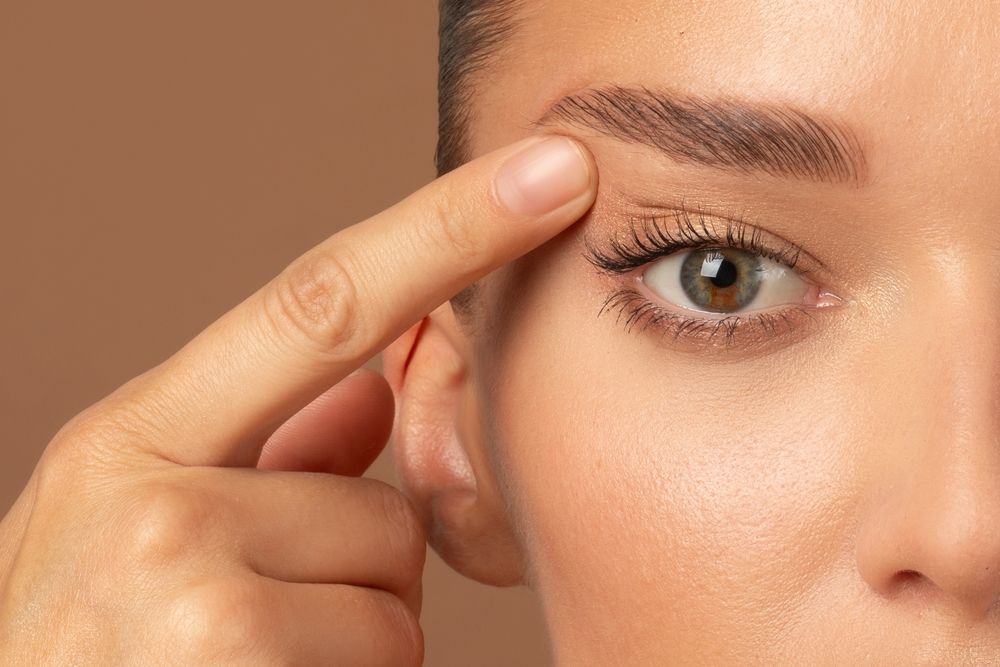

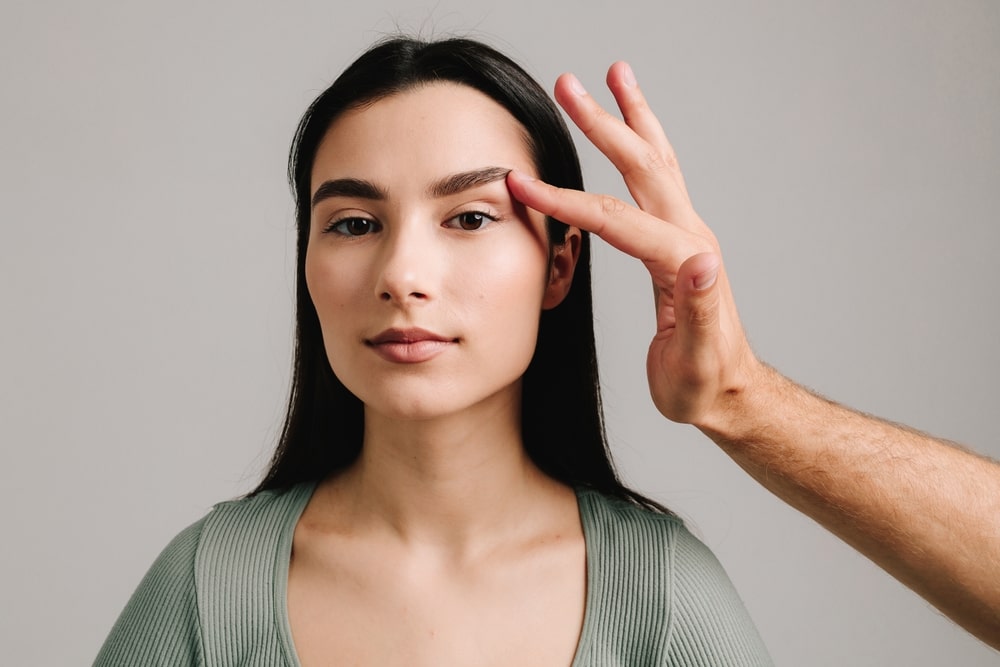
Many people begin to notice changes around the eyes long before signs of aging appear elsewhere on the face. The eyelid skin is naturally thin and delicate, which means it often shows early signs of fatigue, puffiness, or heaviness. Even when you feel energized, sagging upper lids or bags beneath the eyes can create a tired or worn expression. For individuals exploring options to look more awake in both daily life and on video calls, eyelid surgery offers a targeted way to restore brightness to this expressive area of the face. Anne Arundel ENT & Facial Plastic Surgery in Severna Park and Annapolis provides educational insight for adults throughout the Baltimore region who want to better understand how subtle rejuvenation around the eyes is achieved.
Why the Eye Area Ages So Quickly
The skin around the eyes loses elasticity earlier than other facial regions. Over time, the supporting structures beneath the eyelids can also weaken, allowing fat pads to shift or swell. These changes often lead to puffiness, shadowing, or the appearance of excess skin. Genetics, sun exposure, allergies, and lifestyle all play a role as well. Because this area is central to facial expression, even minor changes may alter how rested or alert a person appears. Understanding the natural aging process helps individuals appreciate why the eyelids respond well to carefully planned rejuvenation techniques.
Some people also experience age-related changes along the upper face, contributing to heaviness around the brows or hooding over the eyes. Individuals interested in learning how upper-face rejuvenation complements eyelid improvements sometimes explore educational resources about brow and forehead lifting to better understand how the brow position influences eyelid appearance.
What Eyelid Surgery Can Address
Eyelid surgery, also known as blepharoplasty, can be performed on the upper eyelids, lower eyelids, or both, depending on a person’s goals and anatomy. For the upper eyelids, surgery can reduce excess skin that creates heaviness or causes mascara to smudge. For the lower eyelids, the procedure may soften puffy bags or smooth transitions between the lower lid and the cheek. A detailed overview of eyelid surgery helps individuals understand how the procedure enhances the natural contours of the eye without altering overall facial character.
Some people have concerns that eyelid surgery will produce an overly dramatic or “done” look. In reality, subtle eyelid rejuvenation focuses on restoring a rested expression rather than changing a person’s appearance. Many individuals seek an outcome where others notice they look refreshed or well-rested, without suspecting any specific intervention.
Understanding Upper vs. Lower Eyelid Goals
Upper eyelid concerns typically involve skin redundancy or mild fat protrusion. These changes can create a tired expression, a feeling of heaviness, or even difficulty applying makeup. Removing or repositioning excess tissue restores a smoother eyelid crease and a more open eye shape. Lower eyelid aging often appears as puffiness or dark shadowing caused by fat pads shifting forward. Subtle adjustments around the lower lid can soften harsh lines and reduce the tired appearance that many adults describe.
For individuals whose concerns extend to the midface or cheek region, reviewing educational information about facelift and mini facelift options helps clarify how lower facial support interacts with eyelid contours. These procedures are often complementary, particularly when midface descent emphasizes lower eyelid puffiness.
Who May Benefit From Eyelid Surgery
Many adults begin exploring eyelid rejuvenation when they realize topical treatments or lifestyle changes no longer address concerns such as puffiness or drooping skin. Individuals who appear tired in photos or feel that their eyes look older than they feel may be particularly interested in understanding their options. Some discover that allergies, sinus issues, or fluid retention worsen eyelid concerns. Those experiencing eye-area swelling related to nasal or sinus patterns often review information about nasal congestion to better understand how airway inflammation influences the delicate tissues around the eyes.
Candidates for eyelid surgery typically seek natural-looking improvement rather than dramatic alteration. The best results come from individualized planning based on anatomy, lifestyle, and aesthetic priorities.
Recovery and What to Expect
Understanding the recovery process helps individuals feel more confident when considering eyelid surgery. Although the procedure involves delicate tissue, recovery is generally manageable. Temporary swelling or bruising is common and improves gradually. Protecting the eyes from sun exposure, avoiding strenuous activity, and following all postoperative guidance contributes to smooth healing.
Some individuals are surprised to learn how interconnected facial structures are. Those researching rejuvenation often explore chin augmentation considerations or other facial balancing topics as they learn more about how different features influence overall facial harmony. While these procedures address different areas, understanding the relationships between facial structures helps clarify how subtle adjustments can enhance natural proportions.
Eyelid Surgery and Natural-Looking Results
Subtlety is central to the goals of most individuals seeking eyelid surgery. The best outcomes highlight a rested, brightened expression rather than drawing attention to the procedure itself. A skilled surgical plan respects the natural eyelid fold, the curvature of the lower lid, and the balance between the eyes. Many individuals report that friends or colleagues simply comment that they look well-rested or refreshed without pinpointing why.
When considering eyelid rejuvenation, learning about related restorative approaches, such as facial reconstruction techniques, can offer broader context about how facial tissues respond to meticulous surgical refinement.
Conclusion
Eyelid surgery offers a subtle yet effective approach to refreshing the appearance of the eyes—one of the face’s most expressive features. Whether addressing upper eyelid heaviness or lower lid puffiness, understanding the options empowers individuals to begin meaningful conversations about natural-looking rejuvenation. Anne Arundel ENT & Facial Plastic Surgery in Severna Park and Annapolis continues to support patients throughout the Baltimore region by providing educational guidance that helps them navigate aesthetic decisions with clarity and confidence.
Sources
Patel, B. C. (2022). Blepharoplasty. StatPearls Publishing.
Codner, M. A., et al. (2010). Lower eyelid rejuvenation: Analysis and management. Plastic and Reconstructive Surgery.
McCord, C. D., et al. (2013). Upper blepharoplasty: Concepts and techniques. Aesthetic Surgery Journal.