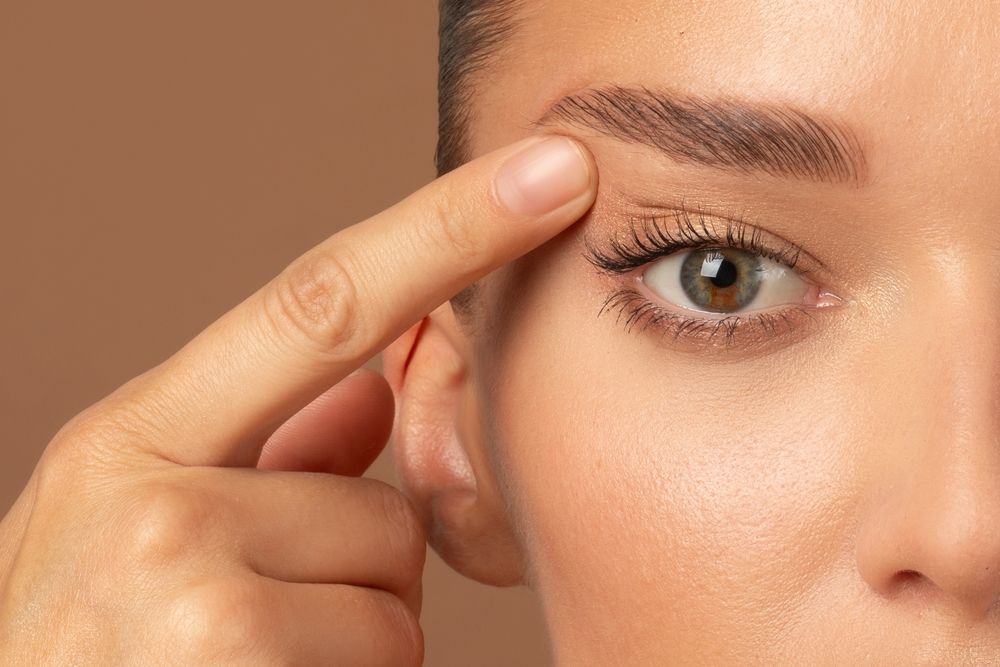

As we age, the delicate skin around our eyes often begins to droop, leading to a tired, aged appearance and, in some cases, even impaired vision. If you’re noticing sagging upper eyelids or puffiness under the eyes, blepharoplasty, also known as eyelid surgery, might be the solution you’re looking for. This popular facial plastic surgery procedure can rejuvenate your eyes and restore a more youthful, alert appearance while sometimes improving function as well.
What Is Blepharoplasty?
Blepharoplasty is a surgical procedure that targets the upper and/or lower eyelids. It involves removing or repositioning excess skin, fat, and muscle to reduce sagging and puffiness.
- Upper blepharoplasty focuses on lifting drooping upper eyelids.
- Lower blepharoplasty addresses under-eye bags and hollowness.
While often sought for aesthetic enhancement, blepharoplasty can also provide functional improvement, particularly when sagging skin obstructs peripheral vision.
Causes of Droopy Eyelids
Several factors contribute to the development of droopy eyelids:
- Aging: Over time, skin loses its elasticity, and fat may shift, causing sagging and puffiness.
- Genetics: Some individuals inherit a predisposition to droopy eyelids or under-eye bags.
- Medical Conditions: Ptosis (weakness of the eyelid muscle), allergies, or previous trauma can all lead to eyelid drooping.
- Lifestyle: Sun exposure, smoking, and chronic lack of sleep can accelerate changes in eyelid appearance.
Functional vs. Cosmetic Benefits
While many patients seek blepharoplasty for cosmetic reasons, the procedure offers functional advantages as well:
- Restored vision: When excess upper eyelid skin interferes with sight, surgery can significantly improve the visual field.
- Youthful appearance: Lifting and tightening the eyelid area helps reduce the look of fatigue and aging.
- Boosted confidence: Patients often report feeling more self-assured and energized after surgery.
The Blepharoplasty Procedure
Blepharoplasty is typically performed on an outpatient basis and may involve local anesthesia with sedation or general anesthesia:
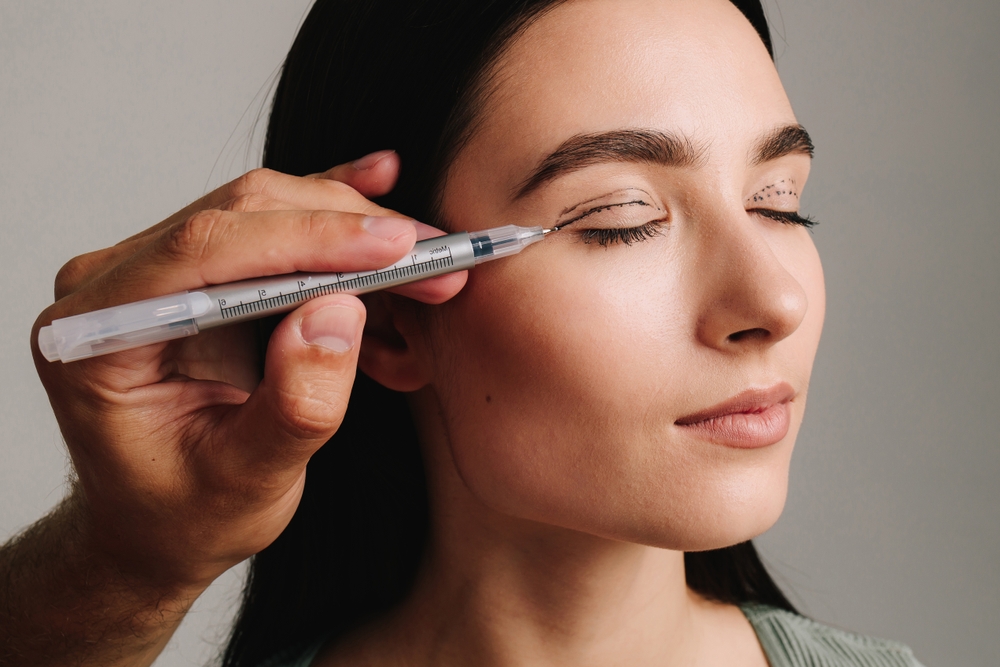
- Upper eyelid surgery involves making an incision in the natural crease to remove or reposition tissue.
- Lower eyelid surgery may involve incisions either just below the lash line or inside the lower eyelid (transconjunctival approach).
- Excess skin and fat are removed or sculpted, and the area is tightened for a smoother contour.
In some cases, blepharoplasty is combined with other facial procedures like a brow lift or laser resurfacing for more comprehensive rejuvenation.
What to Expect During Recovery
Recovery from eyelid surgery is usually quick and manageable:
- Initial swelling and bruising typically subside within 1 to 2 weeks.
- Cold compresses, prescribed ointments, and keeping the head elevated help accelerate healing.
- Most patients return to work and light activities within 7–10 days.
- Full results may be visible after several weeks, with scars continuing to fade over time.
Risks and Considerations
As with any surgical procedure, blepharoplasty carries some risks:
- Temporary dry eyes
- Bruising or swelling
- Difficulty closing the eyes fully (rare and often temporary)
- Scarring or asymmetry
Choosing a board-certified facial plastic surgeon is essential for minimizing complications and ensuring natural, satisfying results. A detailed consultation will help set appropriate expectations and develop a personalized treatment plan.
Is Blepharoplasty Right for You?
You may be a good candidate for blepharoplasty if:
- You’re in good overall health
- You don’t have serious eye conditions
- You’re a non-smoker or willing to quit before and after surgery
- You have realistic expectations for the outcome
During a consultation, your surgeon will assess your facial anatomy and discuss whether surgical or non-surgical treatments are best for your goals. In cases of minor sagging, alternatives like dermal fillers or Botox may be recommended.
Conclusion
Blepharoplasty offers a safe and effective way to restore a youthful, well-rested look to your eyes, while also addressing issues like obstructed vision and eye fatigue. Whether you’re seeking functional improvement, cosmetic enhancement, or both, eyelid surgery could be the answer.
Ready to take the next step? Schedule a consultation with our experienced facial plastic surgery team today and discover how blepharoplasty can help you see and feel your best.