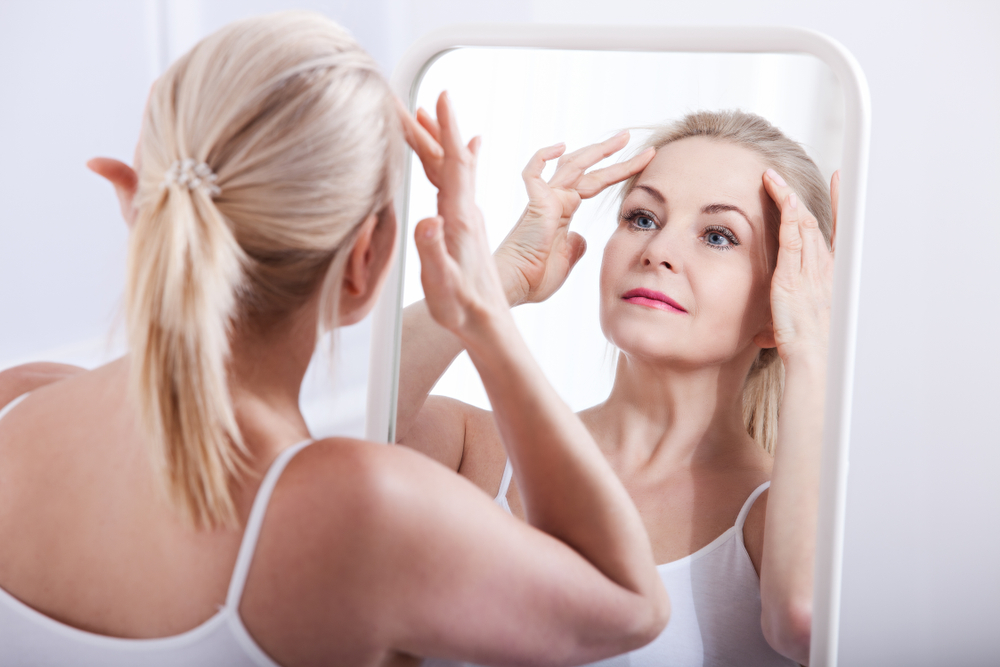
As we age, the effects of time, gravity, and environmental exposure become more noticeable, especially on the face. Wrinkles deepen, skin sags, and youthful volume diminishes. While skincare and non-surgical treatments can offer temporary improvements, facelift surgery remains the most effective option for significantly reversing visible signs of facial aging. In this blog, we’ll take a closer look at what facelift surgery involves, who it’s for, and what results you can expect.
Understanding Facial Aging
Facial aging is a complex process involving the skin, underlying fat, muscles, and bone structure. Over time, collagen and elastin, the proteins that keep skin firm and elastic, break down, leading to sagging and fine lines. Fat pads shift or diminish, creating hollow areas or deep folds. Muscle tone decreases, and the skin loses its youthful resilience.
Common signs of facial aging include:
- Sagging skin around the cheeks and jawline (jowls)
- Deep nasolabial folds (lines from the nose to the corners of the mouth)
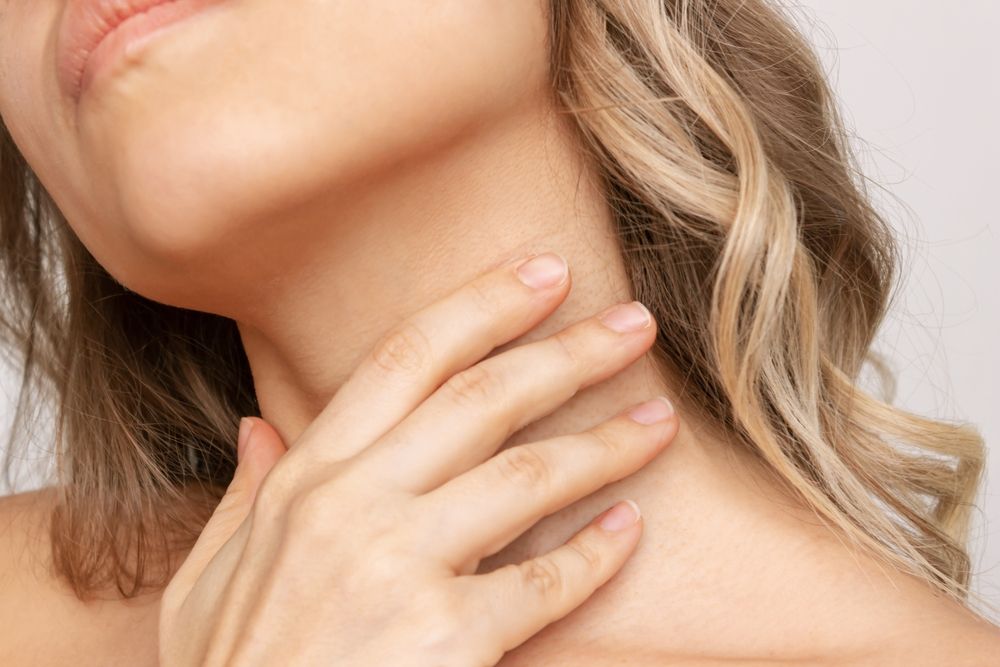
- Loose neck skin or a “turkey neck”
- Volume loss in the midface
While genetics play a significant role, lifestyle factors like sun exposure, smoking, and stress can accelerate these changes.
What Is a Facelift?
A facelift, or rhytidectomy, is a surgical procedure designed to lift and tighten sagging facial tissues, resulting in a smoother, more youthful appearance. It addresses the lower two-thirds of the face and often includes neck rejuvenation.
There are different techniques used, depending on your goals and anatomy:
- Traditional Facelift: Involves lifting deeper layers of tissue (SMAS) for comprehensive rejuvenation.
- Mini Facelift: A less invasive option with shorter incisions and faster recovery, ideal for mild sagging.
- Deep Plane Facelift: Targets deeper structures for natural, long-lasting results.
Some patients may combine a facelift with procedures like eyelid surgery, a brow lift, or fat grafting for full facial harmony.
Who Is a Good Candidate?
The best candidates for facelift surgery are generally healthy individuals who:
- Are experiencing visible signs of aging in the lower face and neck
- Have good skin elasticity and bone structure
- Do not smoke or are willing to quit during recovery
- Have realistic expectations about the results
Age is less important than the degree of aging. Some patients consider surgery in their 40s, while others wait until their 60s or later. The key is a personalized approach based on your unique facial anatomy and goals.
The Facelift Procedure Explained
Facelift surgery is typically performed on an outpatient basis under general anesthesia or local anesthesia with sedation. During the procedure:
- Incisions are made, often beginning in the hairline near the temples and continuing around the ear.
- The underlying facial muscles and tissues are lifted and repositioned.
- Excess skin is removed, and the remaining skin is carefully re-draped.
- The incisions are closed with fine sutures to minimize scarring.
- If needed, liposuction under the chin or fat grafting can be added to enhance contour and volume.
Recovery and Aftercare
Recovery time varies by individual and the extent of the surgery. Most patients can expect:
- Swelling and bruising for 1–2 weeks
- Mild discomfort managed with prescribed medications
- Return to light activities within 10–14 days
- Full healing and final results within several months
To ensure optimal healing:
- Keep your head elevated
- Avoid strenuous activities
- Follow all postoperative care instructions
- Attend follow-up appointments with your surgeon
Risks and Considerations
Like any surgery, a facelift carries some risks, including:
- Infection
- Hematoma (a collection of blood under the skin)
- Temporary or permanent nerve injury
- Scarring (usually well-hidden)
These risks can be significantly minimized by choosing a board-certified facial plastic surgeon with experience in facial rejuvenation. It’s also important to weigh surgical options against non-surgical alternatives, such as dermal fillers, which offer more subtle and temporary results.
Long-Term Results and Maintenance
One of the greatest benefits of a facelift is the longevity of the results. With proper care, improvements can last 7–10 years or longer. You can maintain your rejuvenated look by:
- Using quality skincare products
- Wearing sunscreen daily
- Staying hydrated and avoiding smoking
- Considering periodic non-surgical treatments (like lasers or injectables)
Eventually, some patients may opt for a revision facelift, but most enjoy their initial results for many years.
Conclusion
Facelift surgery remains the gold standard for restoring youthful contours and reversing the visible signs of facial aging. Modern techniques focus on natural-looking results that enhance your appearance while never making you look “overdone.” If you’re considering a facelift, schedule a consultation with a board-certified facial plastic surgeon. A personalized evaluation will help determine the right approach to achieve your aesthetic goals and regain confidence in your appearance.
Ready to take the next step in your facial rejuvenation journey? Contact Anne Arundel ENT and Facial Plastic Surgery today to schedule your consultation and learn how facelift surgery can help you look as vibrant as you feel.