
Cold weather can be tough on more than just your skin and car. It can also affect how well your hearing aids perform. Low temperatures, condensation, and moisture from snow or rain can interfere with sound quality, battery life, and overall device function. The good news is that with the right care, you can keep your hearing aids working perfectly all winter long. In this blog, the audiology experts at Anne Arundel ENT & Facial Plastic Surgery share practical tips to protect your hearing aids from the challenges of cold weather, so you can continue hearing clearly and comfortably through every season.
In This Blog:
- How Cold Weather Affects Hearing Aids
- Practical Tips to Protect Your Hearing Aids
- Battery and Power Care During Winter
- Cleaning and Maintenance Tips
- When to See Your Audiologist
How Cold Weather Affects Hearing Aids
Winter weather can impact hearing aids in several ways, from moisture damage to reduced battery performance. When you move from cold outdoor air to a warm indoor environment, condensation can form inside the device, similar to how glasses fog up. This moisture can distort sound, weaken connections, or temporarily stop your hearing aids from working.
Cold temperatures also affect battery efficiency. Zinc-air batteries rely on oxygen to generate power, and frigid air slows this process down, causing shorter battery life. In addition, exposure to snow, rain, or even sweat under winter hats can introduce unwanted moisture to sensitive components.
The ears themselves can also react to cold air. Low temperatures may cause dryness or excess earwax production, both of which can interfere with hearing aid function. Understanding how cold weather affects your hearing aids is the first step to preventing seasonal issues.
Practical Tips to Protect Your Hearing Aids
Keeping your hearing aids safe during winter is all about proactive care and prevention. Here are some tipes to help protect your hearing aids:
- Keep them dry: Moisture is one of the main threats to hearing aids in cold weather. Always wipe your devices dry after outdoor use, and use a dehumidifier or drying box overnight.
- Wear protective gear: Hats, ear warmers, and headbands can shield your hearing aids from wind and snow, but ensure they’re not too tight because compression can also lead to feedback or muffled sound.
- Avoid rapid temperature changes: When coming indoors, remove your hearing aids briefly to let them adjust to the warmer air.
- Handle with dry hands: Always handle your devices with dry, clean hands and avoid drying them near direct heat sources like a radiator or car vent.
These simple precautions can help ensure your hearing aids stay comfortable, dry, and fully functional all season long.
Battery and Power Care During Winter
Cold weather can drain hearing aid batteries faster, but a few tricks can help you stay powered up:
- Keep spare batteries warm: Store extra batteries in your pocket or a small insulated case instead of leaving them in a cold bag or car.
- Switch to rechargeable batteries: Rechargeable hearing aids often perform better in varying temperatures and are less affected by the cold.
- Check for corrosion: Moisture can corrode battery contacts, so inspect your hearing aids regularly and clean the compartment with a dry cloth if needed.
- Replace batteries promptly: If your hearing aids start to sound weak or distorted, swap out the batteries before they fully drain to prevent internal strain on the device.
Maintaining good battery habits helps you avoid interruptions and keeps your hearing aids running smoothly through winter’s chill.
Cleaning and Maintenance Tips
Regular cleaning is key to preventing damage from moisture and debris. Here are some cleaning tips:
- Wipe daily: Use a soft, dry cloth or a hearing aid cleaning wipe to remove condensation and oils.
- Inspect tubing and domes: For behind-the-ear models, check tubing for moisture droplets or cracks, which can block sound or affect fit.
- Use a drying kit: A hearing aid dehumidifier or drying box can remove trapped moisture overnight and prevent corrosion.
- Schedule professional cleanings: Your audiologist can perform a deeper cleaning and check for signs of wear that may not be visible at home.
Consistent maintenance ensures your devices deliver clear, consistent sound and last longer despite the cold.
When to See Your Audiologist
Even with careful care, cold weather can sometimes lead to hearing aid performance issues. It’s time to see your audiologist if you notice:
- Muffled or distorted sound
- Intermittent function
- Shorter battery life than usual
- Visible moisture or corrosion in the device
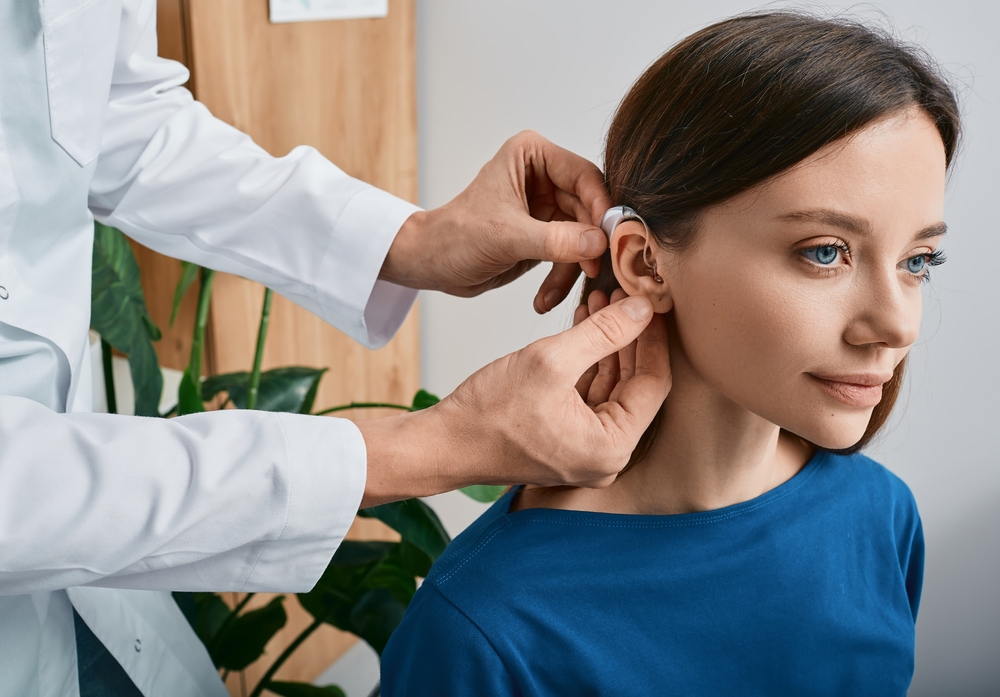
A mid-winter maintenance checkup allows your audiologist to professionally dry, clean, and recalibrate your hearing aids if needed. They can also recommend accessories, like moisture-resistant sleeves or custom ear molds, to protect against winter conditions.
At Anne Arundel ENT & Facial Plastic Surgery, our audiology specialists provide expert hearing aid cleanings, fittings, and maintenance so you can continue hearing clearly and comfortably, no matter the weather.
Conclusion
Cold weather can pose challenges for hearing aid users, but with the right care and precautions, your devices can stay in top condition all season long. By keeping them dry, protecting them from temperature changes, and scheduling regular cleanings, you can prevent common winter problems like moisture damage and battery drain. Remember, consistent maintenance isn’t just about convenience; it’s essential for preserving your hearing health and ensuring your hearing aids deliver the best possible performance year-round.
If your hearing aids aren’t performing as well as they should, or if it’s been a while since your last professional cleaning, the audiology team at Anne Arundel ENT & Facial Plastic Surgery is here to help. Our specialists in Annapolis and Severna Park offer expert hearing aid evaluations, adjustments, and maintenance services to keep your hearing clear and reliable, no matter how cold it gets outside. Schedule your winter hearing aid checkup today and enjoy confident hearing through every season.