

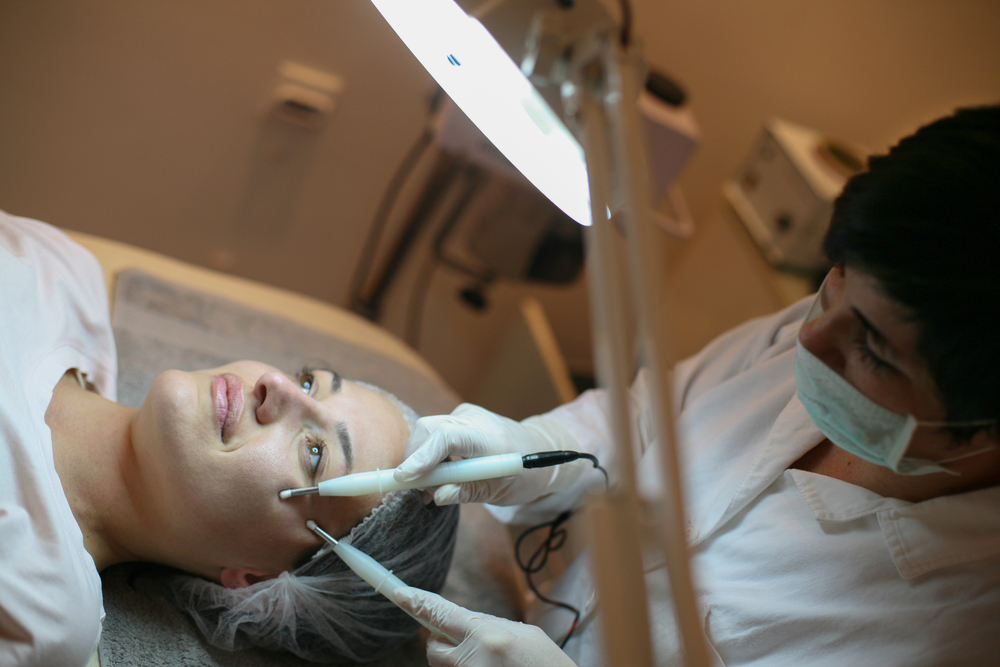
A facelift, or rhytidectomy, is one of the most effective ways to rejuvenate your appearance and restore a youthful, refreshed look. But achieving beautiful, natural results begins long before surgery day. Proper preparation helps ensure your procedure goes smoothly, your recovery is comfortable, and your outcome meets your expectations. This guide will walk you through every step of preparing for facelift surgery, so you can feel confident and ready.
In This Blog:
- Understanding Your Facelift Procedure
- The Initial Consultation
- Pre-Surgical Medical Preparations
- Preparing Your Body for Surgery
- Organizing Your Home and Recovery Space
- Mental and Emotional Preparation
- What to Do the Day Before Surgery
- The Day of Surgery: What to Expect
- Aftercare and Recovery Essentials
Understanding Your Facelift Procedure
A facelift targets sagging skin, deep creases, and jowls caused by aging, gravity, and sun exposure. There are several types of facelifts, including:
- Traditional facelift: addresses deeper tissues and provides the most comprehensive rejuvenation.
- Mini facelift: ideal for early signs of aging with less downtime.
- Neck lift: focuses on tightening loose skin and muscles under the chin and jawline.
Your surgeon will recommend the best option based on your facial structure, goals, and degree of skin laxity.
The Initial Consultation
Your journey starts with a detailed consultation with a board-certified facial plastic surgeon. During this visit, you’ll:
- Review your medical history and any medications or supplements you take.
- Discuss your goals and expectations for the procedure.
- Learn about potential outcomes, recovery time, and risks. Bring a list of questions because your consultation is the perfect time to clarify anything about your procedure or aftercare.
Pre-Surgical Medical Preparations
Your surgeon may order lab tests or a medical clearance before surgery to ensure you’re healthy for anesthesia. You’ll likely be advised to:
- Stop taking blood thinners (like aspirin) and certain herbal supplements.
- Avoid smoking and alcohol for at least 2–4 weeks before surgery.
- Manage any chronic health conditions (such as high blood pressure or diabetes) under your doctor’s guidance.
These steps reduce complications and promote proper healing.
Preparing Your Body for Surgery
Building a healthy foundation is essential for recovery.
- Eat a balanced, protein-rich diet to support tissue repair.
- Stay well-hydrated in the days leading up to surgery.
- Avoid overexposure to the sun, which can irritate or damage the skin before surgery.
- Maintain light activity, but avoid strenuous exercise close to your procedure date.
Organizing Your Home and Recovery Space
A comfortable, peaceful environment makes all the difference during recovery.
- Prepare a resting area with pillows to keep your head elevated.
- Stock up on soft foods, hydration drinks, and ice packs.
- Have clean towels, loose clothing, and prescribed medications ready.
- Arrange for someone to drive you home after surgery and stay with you for the first 24–48 hours.
Mental and Emotional Preparation
It’s normal to feel nervous before any surgery. Take time to:
- Practice relaxation techniques such as deep breathing or meditation.
- Focus on your goals and the positive results ahead.
- Communicate any concerns with your surgical team. They’re there to support you every step of the way.
- Having a trusted friend or family member nearby can provide comfort and reassurance.
What to Do the Day Before Surgery
Follow your surgeon’s pre-op instructions carefully.
- Shower and wash your hair, but avoid applying lotions, perfumes, or makeup.
- Stop eating or drinking as directed before anesthesia.
- Pack essentials for the day, such as comfortable clothing, ID, paperwork, and lip balm.
- Getting a good night’s rest will help you feel calm and prepared.
The Day of Surgery: What to Expect
On surgery day, you’ll check in at the surgical facility and review your consent forms.
- Your anesthesiologist will discuss anesthesia options and ensure your comfort.
- The surgery typically lasts several hours, depending on your procedure.
- After surgery, you’ll spend some time in recovery before going home with a friend or caregiver.
Your surgeon will provide detailed post-operative instructions before discharge.
Aftercare and Recovery Essentials
Recovery time varies by patient, but you can expect:
- Mild swelling and bruising for 1–2 weeks.
- Sutures removed within about a week.
- Gradual improvement in skin tone and tightness over several weeks.
Follow your surgeon’s guidance for wound care, pain management, and activity restrictions. Avoid strenuous exercise or bending over until cleared by your doctor.
Setting Yourself Up for the Best Results
For long-lasting, natural-looking results:
- Protect your skin from the sun using broad-spectrum SPF daily.
- Follow a consistent skincare routine recommended by your facial plastic surgeon.
- Maintain a healthy lifestyle with balanced nutrition and hydration.
Patience is key, as final results may take several months to fully appear as swelling subsides.
Conclusion
Preparing for a facelift is just as important as the surgery itself. With the right planning, realistic expectations, and support from an experienced surgical team, you can look forward to a smooth recovery and stunning results. At Anne Arundel ENT & Facial Plastic Surgery, our skilled surgeons combine artistry and precision to help you achieve natural, youthful rejuvenation. We’ll guide you through every step of your facelift journey, from your initial consultation to complete recovery, ensuring your comfort, confidence, and satisfaction.
Schedule your facelift consultation today at our Annapolis or Severna Park locations and discover how our facial plastic surgery experts can help you look as young as you feel.