

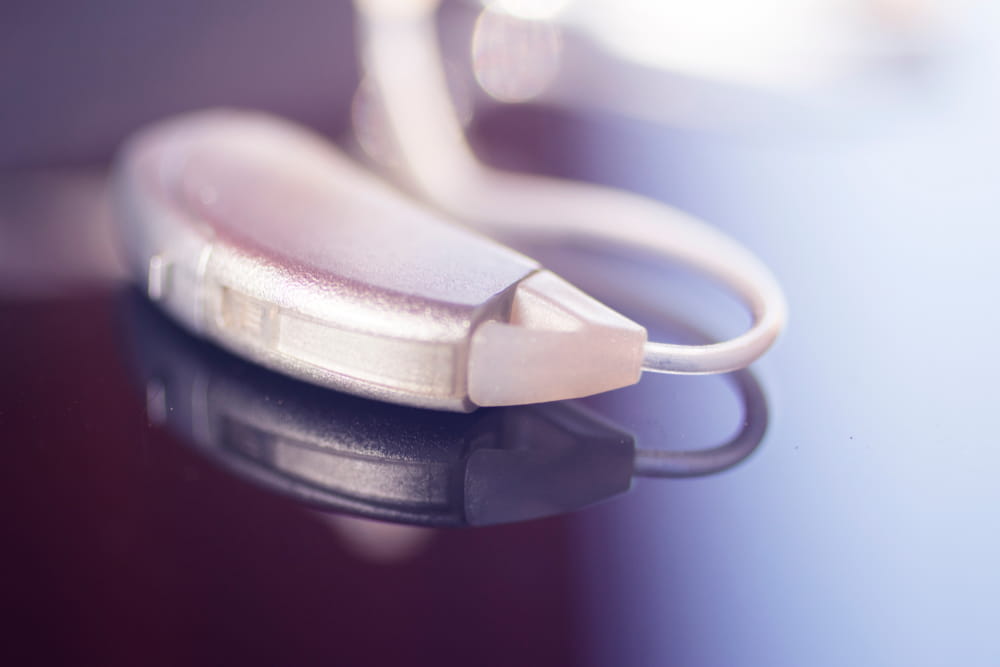
Hearing aids have evolved significantly over the years. While earlier devices primarily focused on amplifying sound, modern hearing aids are designed to do much more. Today’s technology focuses on improving speech clarity, reducing background noise, and helping users navigate complex listening environments more comfortably.
For many individuals, the biggest challenge is not simply hearing sounds but understanding speech—especially in places like restaurants, social gatherings, or busy public spaces. Advances in hearing aid technology aim to address these challenges by enhancing the way sound is processed and delivered to the brain. Anne Arundel ENT & Facial Plastic Surgery serves patients in Annapolis and Severna Park who want to better understand how hearing aid technology supports clearer communication and improved listening experiences.
Why Speech Clarity Can Be Difficult
Hearing speech clearly involves more than detecting sound volume. Speech is made up of a combination of frequencies, including high-frequency consonants that provide clarity and detail. When these sounds become harder to hear, speech may seem muffled or incomplete.
Background noise adds another layer of difficulty. In real-world environments, multiple sounds compete for attention, making it harder to focus on a single voice. The brain must sort through this information to identify meaningful speech.
Hearing changes can affect how these sounds are processed, making it more difficult to distinguish speech from noise. Understanding conditions such as hearing aid dispensing and maintenance can help explain how modern devices are designed to address these challenges.
Digital Sound Processing
One of the most important advancements in hearing aid technology is digital sound processing. Modern hearing aids convert sound waves into digital signals, allowing the device to analyze and adjust sound in real time.
This processing allows hearing aids to separate speech from background noise and enhance the frequencies most important for understanding conversation. Instead of amplifying all sounds equally, the device can prioritize speech while reducing less important noise.
Digital processing also allows for customization based on an individual’s hearing profile, ensuring that sound is adjusted to match specific hearing needs.
Noise Reduction Technology
Background noise is one of the biggest obstacles to clear communication. Modern hearing aids use noise reduction algorithms to identify and minimize unwanted sounds.
These systems analyze incoming sound and distinguish between steady background noise—such as a fan or traffic—and dynamic sounds like speech. Once identified, the hearing aid reduces the volume of background noise while preserving speech signals.
This makes it easier to focus on conversations without being overwhelmed by surrounding sounds.
Directional Microphones
Directional microphone technology is another key feature that improves speech clarity. Traditional hearing aids pick up sound from all directions equally, which could make it difficult to focus on a specific speaker.
Modern devices use directional microphones to prioritize sounds coming from in front of the user while reducing noise from the sides and behind. This is particularly helpful in environments such as restaurants or meetings, where multiple conversations occur simultaneously.
By focusing on the direction of speech, hearing aids help users engage more effectively in conversations.
Speech Enhancement Features
Speech enhancement technology is specifically designed to improve how voices are heard. These features identify speech patterns and amplify them more clearly than surrounding noise.
This allows important speech sounds—such as consonants—to stand out, making words easier to understand. In some cases, hearing aids can automatically adjust settings depending on the listening environment.
For example, the device may increase speech clarity in noisy environments and provide a more balanced sound in quieter settings.
Wireless Connectivity and Streaming
Modern hearing aids often include wireless connectivity, allowing them to connect directly to smartphones, televisions, and other devices. This feature enables audio streaming directly into the hearing aids.
Streaming can improve clarity by delivering sound directly to the ears without interference from background noise. Phone calls, music, and other audio can be heard more clearly because they bypass environmental distractions.
This technology also allows users to adjust settings through mobile apps, providing greater control over their listening experience.
Adaptive and Automatic Adjustments
Many modern hearing aids are equipped with adaptive technology that automatically adjusts to different environments. These devices can recognize whether the user is in a quiet room, a noisy setting, or outdoors and adjust sound settings accordingly.
This eliminates the need for manual adjustments and ensures that speech clarity is optimized in a variety of situations.
Some devices also use machine learning to adapt to user preferences over time, improving performance based on listening habits.
Feedback Reduction Technology
Older hearing aids were often associated with feedback, commonly described as a whistling sound. Modern devices use advanced feedback cancellation systems to eliminate this issue.
These systems detect feedback signals and cancel them before they become audible. This allows hearing aids to provide clearer sound without unwanted noise interference.
Reducing feedback contributes to a more comfortable and natural listening experience.
The Role of Proper Fit and Maintenance
While technology plays a significant role in improving speech clarity, proper fit and maintenance are equally important. Hearing aids must be properly fitted to ensure that sound is delivered effectively.
Regular cleaning and care help maintain device performance. Earwax, moisture, and debris can affect sound quality if not properly managed.
Routine evaluations also help ensure that hearing aids continue to match the user’s hearing needs over time.
Understanding the Impact of Modern Hearing Technology
Modern hearing aids are designed to do more than amplify sound—they are built to improve how sound is processed and understood. Features such as digital processing, noise reduction, and directional microphones work together to enhance speech clarity in everyday environments.
These advancements help individuals navigate conversations more comfortably, even in challenging listening situations. By improving how speech is delivered and perceived, hearing aid technology plays an important role in supporting communication and overall quality of life.
For residents in Annapolis and Severna Park who want to better understand how modern hearing aid technology improves speech clarity, Anne Arundel ENT & Facial Plastic Surgery can help determine the most appropriate solutions for hearing needs.
Sources
Dillon, H. (2012). Hearing Aids. Thieme Medical Publishers.
Bentler, R., & Wu, Y. (2018). Modern hearing aid technologies. Trends in Amplification.
McPherson, B. (2016). Innovations in hearing aid technology and rehabilitation. International Journal of Audiology.