

Feeling unsteady, lightheaded, or dizzy can become more common with age, especially after 50. While occasional imbalance may seem like a normal part of getting older, persistent or worsening symptoms often have underlying causes that go beyond aging alone. Balance is a complex function involving the inner ear, vision, muscles, and the brain, all working together to keep the body stable.
As the body changes over time, these systems may not communicate as efficiently as they once did. This can lead to sensations of dizziness, difficulty walking steadily, or a feeling of being off-balance. Anne Arundel ENT & Facial Plastic Surgery serves patients in Annapolis and Severna Park who want to better understand why balance problems may develop with age and how evaluation can help identify contributing factors.
How the Body Maintains Balance
Balance depends on a coordinated system that includes the vestibular system in the inner ear, the eyes, and the body’s sensory receptors. The vestibular system detects head movement and position, while vision provides spatial awareness. At the same time, muscles and joints send signals to the brain about body position.
The brain processes all of this information and sends signals back to the body to maintain stability. When all systems are working together properly, balance feels effortless.
However, when one or more of these systems becomes less effective, the brain may receive incomplete or conflicting information. This can result in dizziness, unsteadiness, or a sense of imbalance.
Age-Related Changes in the Inner Ear
One of the most important contributors to balance is the vestibular system located in the inner ear. This system contains tiny structures filled with fluid and sensory cells that detect movement and orientation.
As people age, these sensory cells may gradually decline in function. This can reduce the accuracy of signals sent to the brain about head movement and position.
When vestibular signals become less reliable, the brain must rely more heavily on vision and other sensory inputs. If those systems are also affected, balance may become more difficult to maintain.
This gradual change in inner ear function is one reason balance problems become more common after age 50.
Changes in Vision and Sensory Input
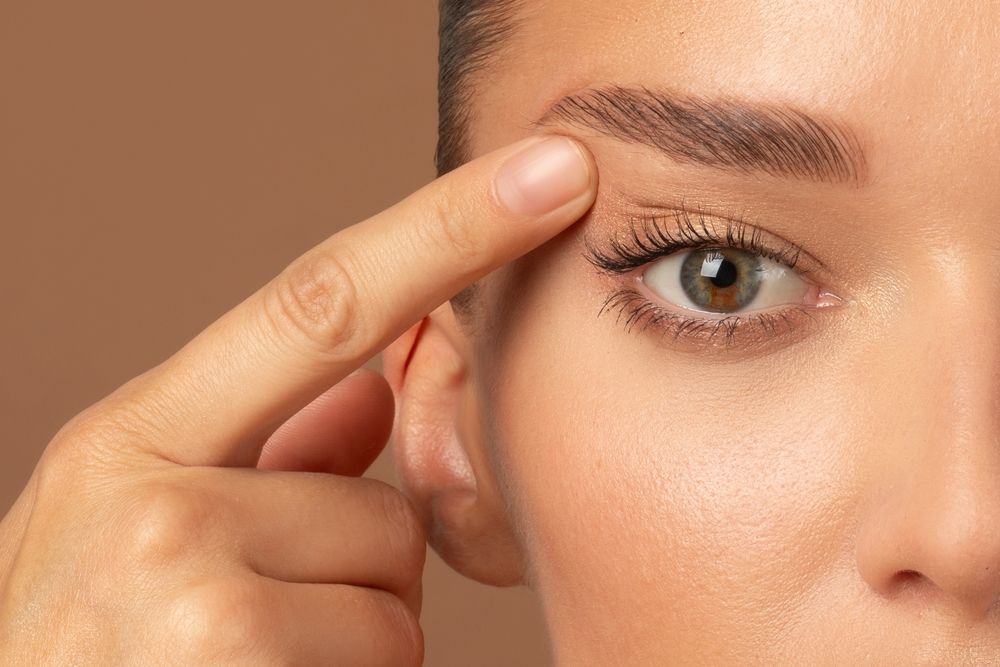
Vision plays a key role in maintaining balance by helping the brain understand the body’s position in space. As vision changes with age, depth perception and contrast sensitivity may decline.
These changes can make it more difficult to judge distances or navigate uneven surfaces, increasing the risk of imbalance.
At the same time, sensory receptors in the muscles and joints—known as proprioceptors—may become less sensitive. These receptors provide information about body position and movement.
When both visual and sensory input become less precise, the brain has less reliable information to maintain stability, which can contribute to balance difficulties.
Muscle Strength and Coordination
Muscle strength and coordination are also important for maintaining balance. Over time, muscle mass and strength may gradually decrease, a process sometimes referred to as age-related muscle loss.
Weaker muscles can make it harder to correct small shifts in balance. Coordination may also change, affecting how quickly the body responds to movement or changes in position.
These factors can increase the likelihood of feeling unsteady, particularly when walking on uneven surfaces or changing direction quickly.
Regular physical activity and strength training may help support coordination and stability as the body ages.
Common Conditions That Affect Balance
In addition to normal age-related changes, certain conditions may contribute to dizziness or balance problems.
Inner ear conditions such as benign paroxysmal positional vertigo (BPPV), vestibular neuritis, or Ménière’s disease can affect how the vestibular system functions. These conditions may cause sudden or recurring episodes of dizziness.
Circulatory changes can also influence balance. Blood pressure fluctuations may lead to lightheadedness when standing up quickly.
Medication side effects may contribute as well. Some medications can affect the nervous system or inner ear, leading to dizziness or unsteadiness.
Because balance problems can have multiple causes, evaluation helps identify which factors may be involved. Diagnostic tools such as videonystagmography and balance testing provide insight into how the vestibular system is functioning.
Why Dizziness Should Not Be Ignored
Although occasional dizziness may seem minor, persistent or recurring symptoms should not be overlooked. Balance problems can increase the risk of falls, which are a significant concern for older adults.
Falls can lead to injuries that affect mobility and independence. Identifying the cause of dizziness can help reduce this risk and improve overall stability.
In addition, dizziness may sometimes signal underlying conditions that benefit from further evaluation. Understanding the source of symptoms is an important step in maintaining overall health.
Everyday Situations That May Trigger Imbalance
Balance problems may become more noticeable in certain situations. For example, standing up quickly can cause a temporary drop in blood pressure, leading to lightheadedness.
Walking in dim lighting or on uneven surfaces may also increase the likelihood of feeling unsteady. These environments require the body to rely more heavily on vestibular and sensory input.
Fatigue can also play a role. When the body is tired, coordination and reaction time may be reduced, making it harder to maintain balance.
Recognizing these triggers can help individuals understand when and why symptoms occur.
When Balance Testing May Be Helpful
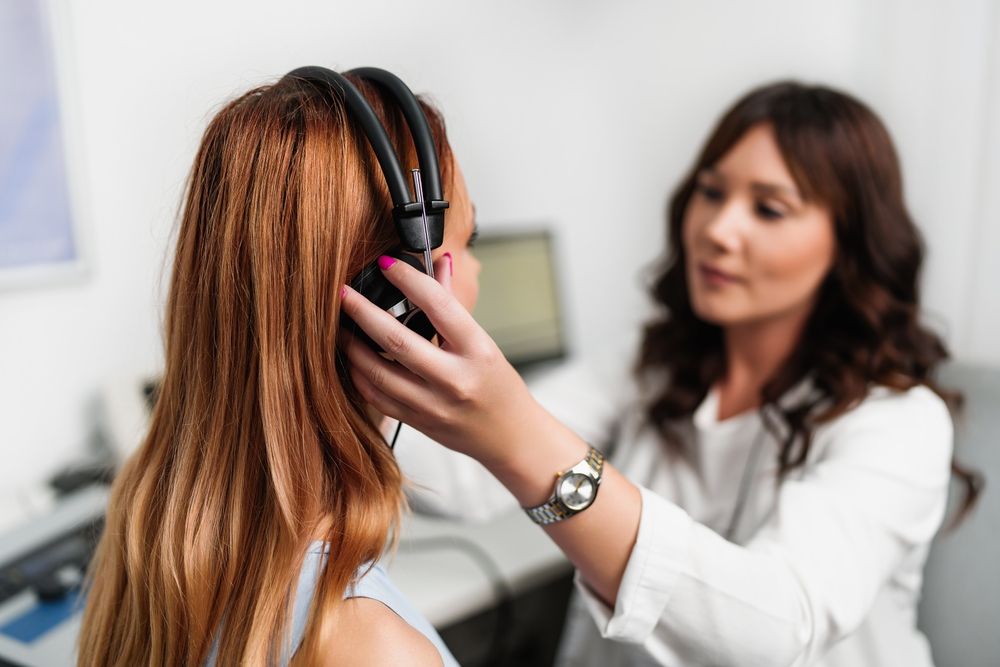
If dizziness or balance problems persist, a comprehensive evaluation can help identify the underlying cause. ENT specialists may use a variety of tests to assess how the vestibular system is functioning.
Videonystagmography (VNG) is one common test used to evaluate balance. It measures eye movements in response to visual and positional changes, providing insight into how the inner ear and brain are working together.
Other assessments may evaluate hearing, coordination, and reflexes to provide a complete picture of balance function.
These evaluations help determine whether symptoms are related to the inner ear, nervous system, or other factors.
Understanding Balance Changes After 50
Balance is influenced by multiple systems that naturally change over time. The inner ear, vision, muscles, and sensory pathways all contribute to stability, and changes in any of these areas can affect how the body maintains balance.
While some degree of change is expected with age, persistent dizziness or unsteadiness is not always simply part of getting older. Identifying the underlying cause can help explain why symptoms occur and how they may be addressed.
Anne Arundel ENT & Facial Plastic Surgery serves patients in Annapolis and Severna Park who want to better understand why balance problems increase after age 50, the role of the vestibular system in maintaining stability, and how evaluation helps identify the causes of dizziness and imbalance.
Sources
Agrawal, Y., et al. (2012). Vestibular dysfunction and balance impairment in older adults. Archives of Internal Medicine.
Horak, F. (2006). Postural orientation and equilibrium: What do we need to know about neural control of balance? Age and Ageing.
Rubenstein, L. (2006). Falls in older people: Epidemiology, risk factors and strategies for prevention. Age and Ageing.