

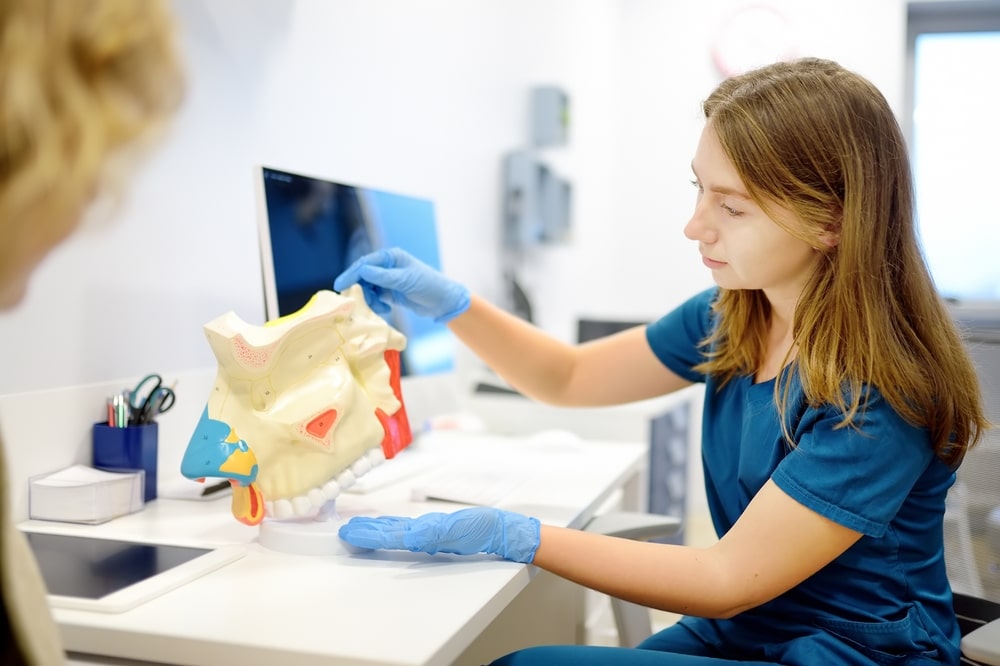
Chronic sinus symptoms—congestion, pressure, headaches, and fatigue—can affect everything from productivity at work to quality of sleep. When medications, nasal rinses, and lifestyle changes are no longer enough, many individuals begin exploring procedural options for relief. Two of the most widely discussed approaches are balloon sinuplasty and traditional sinus surgery. Understanding how the two differ helps you make informed decisions about long-term sinus care. Anne Arundel ENT & Facial Plastic Surgery in Severna Park and Annapolis provides educational guidance for individuals throughout the Baltimore area seeking clarity about sinus health.
Why Sinus Procedures Are Considered
The sinuses are air-filled spaces responsible for filtering, warming, and humidifying the air we breathe. When inflammation blocks their natural drainage pathways, mucus becomes trapped, causing pressure and discomfort. Long-term inflammation or recurrent infections often prompt people to explore procedural options. Resources about sinus infections and chronic sinusitis can help explain why some symptoms persist despite medication.
When structural narrowing or persistent swelling prevents effective airflow, a procedure may restore natural drainage and relieve chronic sinus pressure.
What Is Balloon Sinuplasty?
Balloon sinuplasty is a minimally invasive approach that widens the sinus openings without removing tissue. A small balloon is inserted, gently inflated to open the passageway, and then removed. Many people explore balloon sinuplasty when looking for an option with a shorter recovery period and minimal discomfort.
This technique can improve drainage for individuals whose sinus openings are narrowed rather than obstructed by extensive disease.
What Is Traditional Sinus Surgery?
Traditional sinus surgery—known as functional endoscopic sinus surgery (FESS)—focuses on removing tissue or bone that contributes to blockage. Because this method reshapes structures, it is often recommended for individuals with significant inflammation, nasal polyps, or more advanced sinus disease. Educational information about functional endoscopic sinus surgery helps explain why this approach may be considered when symptoms are severe or recurrent.
Key Differences Between Balloon Sinuplasty and Traditional Sinus Surgery
Balloon sinuplasty and traditional sinus surgery share the same goal of improving drainage, but they differ in approach, recovery, and the type of anatomy each is designed to address.
Balloon sinuplasty is less invasive and does not involve tissue removal, which is why it may be preferred for milder cases. Traditional surgery offers a more comprehensive correction for structural problems, especially when polyps or severe obstruction are present. For individuals who experience chronic nasal blockage, reviewing nasal obstruction and rhinitis may provide insight into how inflammation contributes to sinus disease.
Pros and Cons Overview
Here is a simplified comparison to guide your thinking:
• Balloon sinuplasty offers minimal invasiveness and typically a shorter recovery.
• Traditional sinus surgery allows surgeons to address complex structural problems for more advanced conditions.
Lifestyle Factors to Consider
Choosing the right option depends not only on your anatomy but also on lifestyle preferences. Those with active schedules or limited downtime may find balloon sinuplasty appealing due to its gentle approach. Others who experience extensive symptoms or repeated infections may benefit from the broader correction of traditional surgery. If nighttime congestion or breathing difficulties are part of your symptoms, educational resources about snoring and sleep-related concerns may help explain how sleep patterns intersect with sinus problems.
When to Discuss Options With an ENT
If symptoms interfere with daily comfort or quality of life despite treatment, it may be time to learn more about procedural options. Many individuals explore sinus procedures when:
• Symptoms persist despite medication
• Infections recur multiple times a year
• Pressure, congestion, or headaches become constant
• Breathing feels restricted day and night
Understanding which approach fits your anatomy and health goals begins with a thorough evaluation and discussion.
Conclusion
Balloon sinuplasty and traditional sinus surgery are both effective options for improving sinus drainage and reducing chronic symptoms. The right choice depends on your underlying anatomy, symptom severity, and personal preferences for recovery and long-term relief. Anne Arundel ENT & Facial Plastic Surgery in Severna Park and Annapolis offers educational support to help patients throughout the Baltimore area make informed decisions about their sinus health.
Sources
Solomon, P., et al. (2011). Balloon catheter dilation of the sinuses: A systematic review. Otolaryngology–Head and Neck Surgery.
Rosenfeld, R. M., et al. (2015). Clinical practice guideline: Adult sinusitis. Otolaryngology–Head and Neck Surgery.
Hosemann, W. (2019). Functional endoscopic sinus surgery: Principles, indications, and results. GMS Current Topics in Otorhinolaryngology.