
Hearing loss often sneaks up gradually, making it easy to overlook until it starts interfering with everyday life. Whether it’s struggling to follow conversations or constantly turning up the volume on the TV, subtle changes in your hearing could point to a deeper issue. The good news? Early detection can make a world of difference. In this blog, we’ll highlight the key signs that indicate it may be time to schedule a hearing test and why staying proactive about your hearing health matters.
In This Blog:
- Why Hearing Health Matters
- Common Signs You May Need a Hearing Test
- Risk Factors That Increase the Need for Screening
- What to Expect During Hearing Test
- Benefits of Early Detection and Treatment
- When and How to Schedule a Hearing Test
Why Hearing Health Matters
Hearing isn’t just about picking up sounds, it’s central to how we connect with others, stay safe, and maintain our mental sharpness. Untreated hearing loss has been linked to social isolation, depression, and even cognitive decline, including an increased risk of dementia. When your ability to hear clearly is compromised, it affects your communication, your relationships, and your overall quality of life. That’s why identifying and addressing hearing issues early is so important.
Common Signs You May Need a Hearing Test
If any of these situations sound familiar, you may be experiencing early signs of hearing loss:
Difficulty Understanding Conversations
Do you find it hard to keep up during group conversations or when there’s background noise? Trouble distinguishing speech, especially consonants, can be one of the first indicators.
Frequently Asking People to Repeat Themselves
If “Can you say that again?” has become part of your daily vocabulary, it’s worth getting checked.
Turning the Volume Up Higher Than Others Prefer
When family or friends complain that the TV or music is too loud, but it sounds just right to you, it may be time for a hearing evaluation.
Ringing or Buzzing in the Ears (Tinnitus)
Persistent or frequent ringing in the ears could signal damage to the auditory system, often linked to hearing loss.
Avoiding Social Situations
If you shy away from gatherings or conversations because it’s too frustrating to follow along, it may not just be social anxiety, it could be hearing loss.
Misunderstanding Words or Giving Inappropriate Responses
Hearing loss can cause you to mishear certain words, leading to confusion or awkward moments in conversation.
Struggling to Hear High-Pitched Sounds
Birds chirping, children’s voices, or doorbells becoming faint or inaudible may mean your hearing range has diminished.
Risk Factors That Increase the Need for Screening
Certain factors can make you more prone to hearing loss, including:
- Age: Adults over 60 are at a higher risk for age-related hearing loss (presbycusis).
- Noise Exposure: Prolonged or repeated exposure to loud noises, whether from work, concerts, or power tools.
- Medical Conditions: Diabetes, heart disease, and high blood pressure can impact hearing.
- Ototoxic Medications: Some antibiotics, chemotherapy agents, and diuretics can damage hearing.
- Family History: Genetics can play a role in early-onset hearing issues.
- History of Ear Infections or Injuries
What to Expect During a Hearing Test
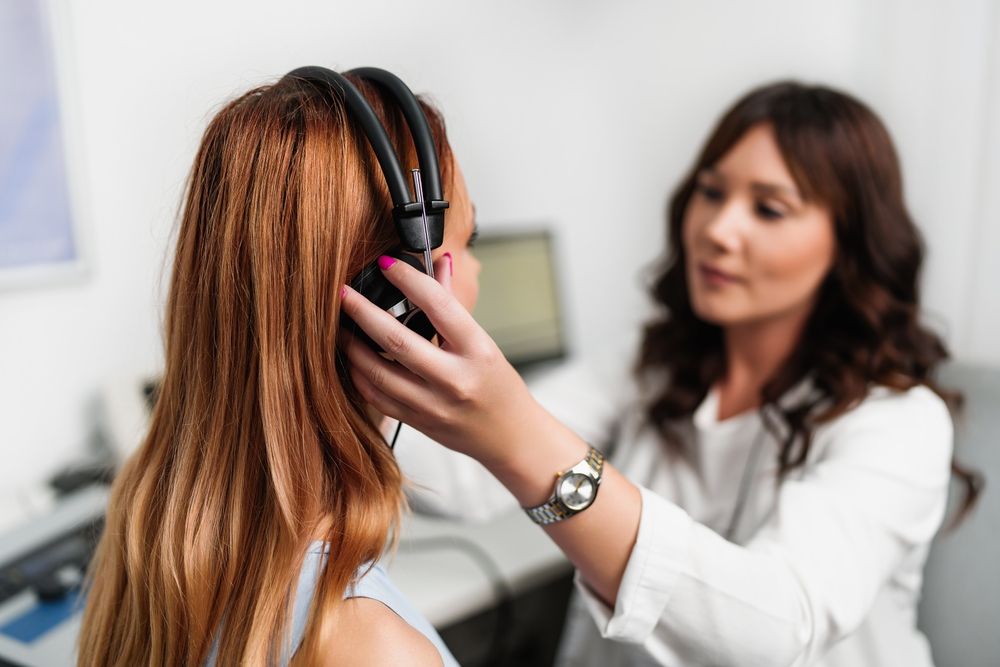
A hearing test is quick, easy, and completely non-invasive. It usually includes:
- Pure Tone Audiometry: You’ll listen to a series of beeps or tones at various volumes and pitches through headphones.
- Speech Recognition Testing: You’ll repeat words to measure how well you understand speech.
- Tympanometry: This evaluates how well your eardrum responds to pressure changes, which helps detect fluid or blockages.
The results are displayed in an audiogram, which helps the audiologist determine your level of hearing loss and recommend appropriate next steps.
Benefits of Early Detection and Treatment
Catching hearing loss early can lead to better outcomes. Some benefits include:
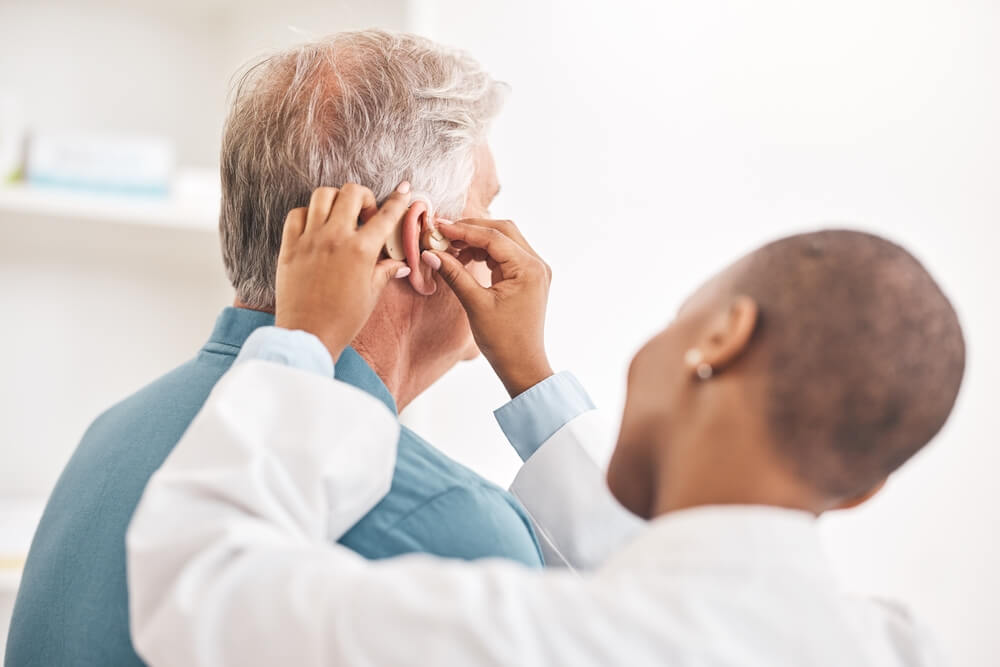
- Improved Communication: With the help of hearing aids or assistive technology, conversations become easier and less tiring.
- Better Mental Health: You’ll likely feel more confident and socially engaged.
- Enhanced Safety: Being aware of your surroundings, such as alarms or traffic, is crucial for safety.
- Preserved Cognitive Function: Studies suggest that early treatment can help prevent cognitive decline linked to untreated hearing loss.
When and How to Schedule a Hearing Test
If you’re experiencing any of the signs listed, or have risk factors, it’s a good idea to schedule a hearing evaluation. Annual screenings are also recommended for adults over 60, even without noticeable symptoms.
To prepare for your appointment:
- Make a list of your symptoms
- Bring your medical and medication history
- Note any noise exposures or family history of hearing issues
You can book a test with an audiologist or ENT (ear, nose, and throat) specialist, many of whom offer same-week appointments.
Conclusion
Hearing loss may begin subtly, but its effects can reach far into your daily life. Recognizing the signs and taking action early is key to staying connected, safe, and mentally sharp. Don’t wait for the problem to worsen, listen to what your ears might be trying to tell you.
Think you might need a hearing test? Schedule a hearing evaluation with one of our licensed audiologists or ENT specialists at Anne Arundel ENT & Facial Plastic Surgery. Early action can make all the difference in your long-term hearing health.