

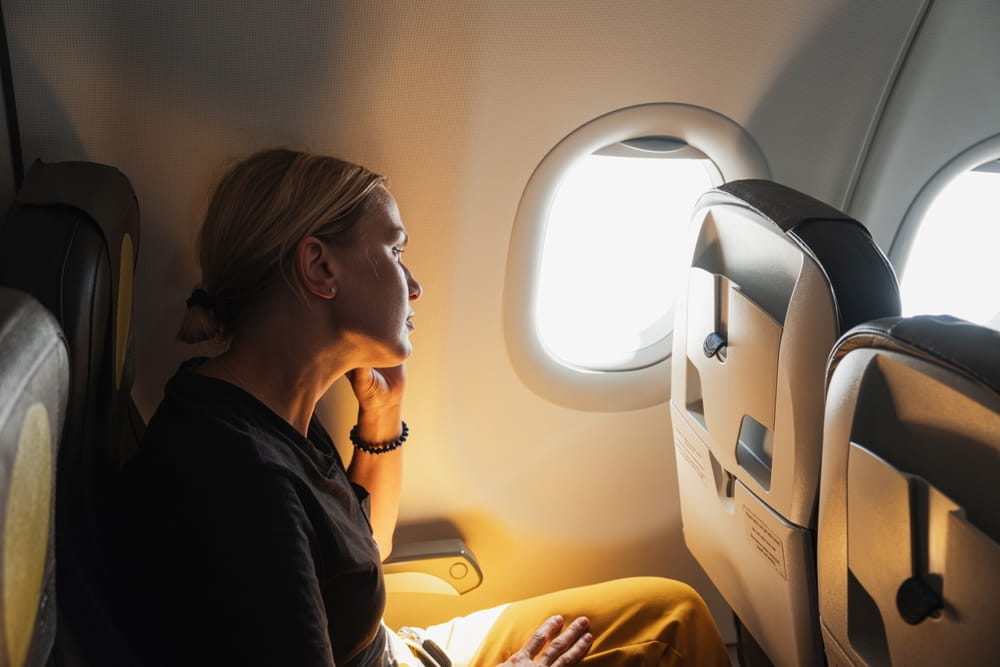
Air travel is a routine part of life for many people, but it often comes with an uncomfortable side effect—ear pressure. During takeoff and landing, it’s common to feel a sensation of fullness, popping, or even temporary hearing changes. For some travelers, this feeling is mild and passes quickly. For others, it can be more noticeable or even painful.
This sensation occurs because of how the ear responds to changes in air pressure. The ears are designed to maintain balance between internal and external pressure, but rapid altitude changes during flights can make this process more difficult. Anne Arundel ENT & Facial Plastic Surgery serves patients in Annapolis and Severna Park who want to better understand why ear pressure occurs during flights and how the ear works to adjust to these changes.
How the Ear Regulates Pressure
The ear includes a small but important structure called the eustachian tube. This narrow passage connects the middle ear to the back of the nose and throat. Its main role is to equalize air pressure on both sides of the eardrum.
When pressure is balanced, the eardrum can vibrate normally, allowing sound to travel efficiently through the ear. The eustachian tube opens briefly when a person swallows, yawns, or chews, allowing air to move in and out of the middle ear.
Under normal conditions, this process happens automatically without notice. However, during rapid pressure changes—such as those experienced during air travel—the eustachian tube may not adjust quickly enough.
Learning more about conditions like ear congestion and pressure can help explain how this system works and why it sometimes struggles to keep up with sudden environmental changes.
Why Airplane Travel Affects the Ears
Airplanes change altitude quickly, especially during takeoff and landing. As altitude changes, the air pressure inside the cabin also shifts.
During ascent, air pressure decreases. During descent, pressure increases. The middle ear must adjust to these changes to maintain balance with the surrounding environment.
If the eustachian tube does not open properly, pressure differences can build up between the middle ear and the external environment. This imbalance causes the eardrum to stretch slightly, leading to the sensation of fullness or blockage.
In many cases, the ears “pop” when the pressure equalizes. This popping sensation is a sign that the eustachian tube has opened and allowed pressure to balance.
Why Ears Sometimes Feel Painful
For some travelers, ear pressure is not just uncomfortable—it can be painful. This usually occurs when the pressure difference between the middle ear and the outside environment becomes significant.
When the eardrum is pushed inward or outward due to a pressure imbalance, it can create discomfort or pain. This is more likely to happen during descent, when pressure increases, and the eustachian tube must work harder to equalize it.
If the tube remains blocked, pressure may continue to build until it is released. This can result in a strong popping sensation or lingering discomfort.
Factors That Make Ear Pressure Worse
Certain conditions can make it more difficult for the eustachian tube to function properly during flights. When the tube is already inflamed or blocked, it may struggle to open and equalize pressure.
Common contributing factors include:
- Colds or upper respiratory infections
- Seasonal allergies
- Sinus congestion
- Eustachian tube dysfunction
- Nasal inflammation
When these conditions are present, the opening of the eustachian tube may be partially blocked, making pressure changes more noticeable.
Understanding how nasal obstruction and rhinitis affect airflow and congestion can help explain why ear pressure may feel worse when the nasal passages are irritated or swollen.
Why Some People Experience More Pressure Than Others
Not everyone experiences ear pressure during flights in the same way. Some people feel only mild discomfort, while others experience more intense symptoms.
Individual differences in eustachian tube function play a role. For example, children often experience more pronounced ear pressure because their eustachian tubes are smaller and more easily blocked.
Adults with frequent sinus issues or allergies may also notice stronger symptoms. The ability of the eustachian tube to open efficiently can vary based on overall ear and nasal health.
Because of these differences, the experience of ear pressure during flights can vary widely from person to person.
What Happens When Ears Don’t “Pop”
In most cases, ear pressure resolves once the eustachian tube opens and equalizes pressure. However, sometimes the ears may continue to feel blocked even after landing.
This can occur if the tube remains partially closed due to inflammation or congestion. When this happens, pressure may stay trapped in the middle ear for a period of time.
Temporary muffled hearing may also occur because the eardrum is not moving as freely as usual. In most cases, this sensation gradually improves as the pressure equalizes.
Persistent symptoms may benefit from evaluation to ensure that the eustachian tube is functioning properly.
Simple Ways the Body Naturally Equalizes Pressure
The body has natural mechanisms that help equalize ear pressure. Swallowing, yawning, and chewing all activate muscles that open the eustachian tube.
This is why activities such as drinking water, chewing gum, or yawning during flights often help relieve ear pressure. These actions encourage the tube to open and allow air to move into or out of the middle ear.
For many people, these simple movements are enough to restore pressure balance during travel.
When Ear Pressure Should Be Evaluated
Occasional ear pressure during flights is normal. However, if symptoms are severe, persistent, or occur frequently, it may be helpful to seek evaluation.
ENT specialists can examine the ears and surrounding structures to determine whether underlying conditions are affecting eustachian tube function. This may include evaluating for inflammation, structural differences, or chronic congestion.
Understanding the cause of recurring ear pressure can help explain why symptoms occur and how the ear responds to pressure changes.
Understanding Why Ears Feel Blocked During Flights
The sensation of blocked ears during air travel is closely related to how the ear regulates pressure. Rapid altitude changes challenge the eustachian tube’s ability to equalize pressure quickly, leading to temporary discomfort or fullness.
While this experience is common, factors such as congestion, allergies, and individual anatomy can influence how noticeable the symptoms feel. Recognizing how the ear responds to pressure changes can help explain why ears sometimes pop easily and other times feel blocked for longer periods.
Anne Arundel ENT & Facial Plastic Surgery in Annapolis and Severna Park can provide guidance on ear pressure during flights, the role of the eustachian tube in maintaining balance, and how ENT evaluation helps identify factors affecting ear comfort.
Sources
Bluestone, C., & Doyle, W. (2013). Anatomy and physiology of the eustachian tube and middle ear. Pediatric Infectious Disease Journal.
Smith, M., & Tysome, J. (2015). Tests of eustachian tube function: A review. Clinical Otolaryngology.
Schilder, A., et al. (2015). Eustachian tube dysfunction: Consensus statement on definition, types, clinical presentation, and diagnosis. Clinical Otolaryngology.