
Earwax may not be something people think about often, but it plays an important role in protecting the ears from dust, bacteria, and irritation. However, when too much wax builds up, it can affect hearing, comfort, and even balance. Many adults in Annapolis and Severna Park wonder when earwax becomes a problem, whether it is safe to remove at home, and when it may be time to consult a professional. This guide explains what patients should know about earwax, why buildup occurs, and how to approach removal safely. Anne Arundel ENT & Facial Plastic Surgery in Severna Park and Annapolis provides educational insights to help patients better understand their ear and hearing health.
Why Earwax Exists and How It Protects the Ears
Earwax, or cerumen, is produced naturally by glands in the ear canal. It lubricates and protects the skin inside the ear, preventing dryness and reducing the risk of infection. It also traps dust and debris before they can reach deeper parts of the ear. In most cases, earwax moves outward on its own as the jaw moves during talking and chewing. Problems arise only when this process slows or when wax becomes compacted.
Some individuals produce more earwax than others, and certain factors—such as narrow ear canals, earbud use, or frequent cotton swab use—can contribute to buildup. When wax becomes impacted, it can block sound and cause symptoms that mimic hearing changes. Understanding the role of earwax helps patients avoid unnecessary worry and take the right steps when symptoms appear.
Signs That Earwax Has Become a Problem
While earwax buildup often begins gradually, symptoms can become noticeable when the wax fully blocks the ear canal. Patients may describe muted hearing, a clogged sensation, or mild discomfort. Others experience fluctuating symptoms depending on posture, humidity, or recent colds. Because the symptoms can mimic other ear conditions, understanding common wax-related signs can help individuals distinguish between simple buildup and more serious concerns.
Three symptoms frequently lead Annapolis patients to explore professional earwax removal:
• Muffled or reduced hearing
• Ear fullness or pressure
• Temporary ringing or buzzing (tinnitus)
Although earwax itself is not harmful, buildup can interfere with sound transmission. For patients experiencing ringing in addition to wax symptoms, learning about tinnitus evaluation and management provides clarity about when symptoms are likely wax-related and when they may require further assessment.
What Not to Do: The Risks of Cotton Swabs and Home Tools
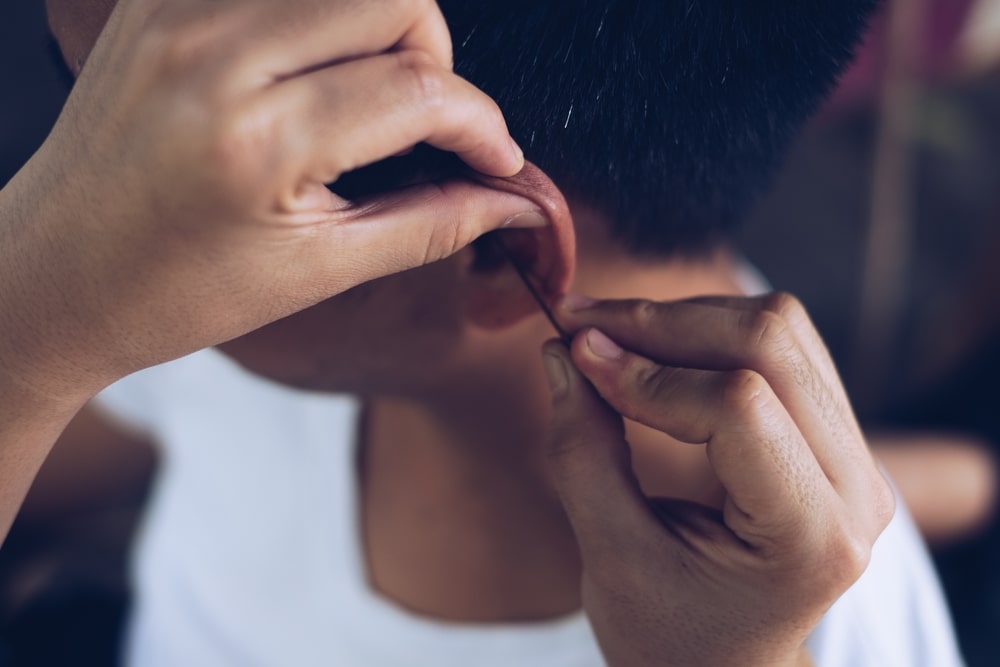
Many adults attempt to remove wax using cotton swabs, hairpins, or at-home gadgets, but inserting anything into the ear canal increases the risk of complications. Cotton swabs often push wax deeper, making impaction worse. They can also scratch the skin or perforate the eardrum when inserted too far. Even candles or suction devices marketed for ear cleaning may cause burns or injury.
The sensation of blocked ears from a cold may lead individuals to self-clean unnecessarily. Before attempting home remedies, it may help to understand how sinus congestion can contribute to a temporary sense of pressure. Educational material on nasal congestion and obstruction helps clarify which symptoms arise from earwax and which stem from swelling in the nasal passages.
How Audiologists and ENT Specialists Remove Earwax
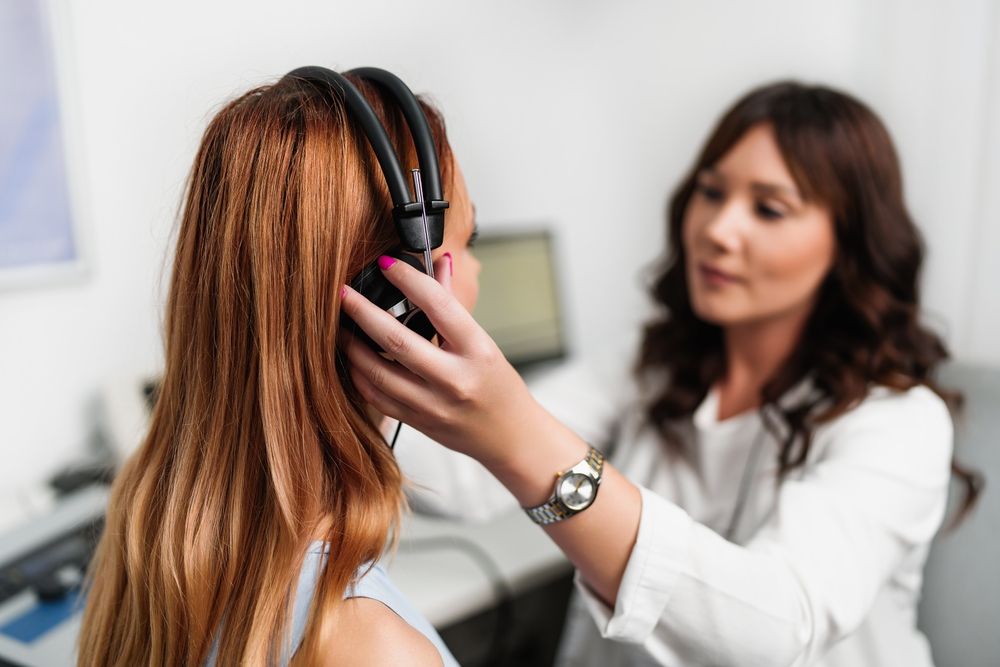
Professional earwax removal is designed to be safe and precise. Audiologists and ENT specialists use tools that protect the ear canal while removing wax gently. Depending on the type and consistency of the wax, the provider may use irrigation, manual extraction, or suction. Because each method is chosen based on what is safest for the individual ear, professional removal minimizes the risk of damage.
Patients with a history of ear infections, ear surgeries, or eardrum perforations benefit especially from professional care. For those experiencing discomfort or muffled hearing that does not improve with earwax removal, exploring educational resources about hearing loss symptoms may help clarify whether additional testing is appropriate.
Wax removal also plays an important role for hearing aid users. Devices can trap wax or block sound if the canal becomes obstructed. Many patients learning about long-term device care consult guides on hearing aid maintenance to understand how cleaning routines support clearer hearing.
When Earwax Mimics Other Ear Conditions
Because earwax affects sound transmission, symptoms can overlap with other ear conditions. Patients sometimes mistake wax impaction for sudden hearing loss or infection. Similarly, ear infections can cause pressure or muffling that feels identical to wax buildup. Understanding these distinctions prevents unnecessary concern and encourages timely evaluation when symptoms change unexpectedly.
Some individuals also experience irritation or dryness in the ear canal that can be made worse by at-home cleaning. When these issues appear alongside congestion, individuals may find it helpful to understand how chronic nasal drainage influences ear pressure and comfort.
When to Seek Earwax Removal in Annapolis or Severna Park
While some mild wax buildup resolves on its own, there are situations when patients should consult an audiologist or ENT specialist. You may benefit from a professional evaluation if:
• You experience persistent fullness, pressure, or muffled hearing
• Home remedies fail to clear the blockage
• You wear hearing aids or earbuds frequently
• You notice drainage, pain, or bleeding
• You have a history of eardrum problems or ear infections
• Symptoms worsen after flights, swimming, or illness
Professional guidance ensures the safest approach to restoring clear hearing and preventing complications.
Conclusion
Earwax is a natural and protective part of the ear, but too much of it can interfere with hearing and comfort. Understanding why wax builds up, which symptoms require attention, and how removal is safely performed helps patients in Annapolis and Severna Park make informed decisions about their ear health. Anne Arundel ENT & Facial Plastic Surgery provides educational support to help individuals better understand earwax, hearing changes, and the steps involved in safe and effective wax removal.
Sources
Roland, P. S. (2008). Chronic earwax impaction. American Family Physician.
Guest, J. F., et al. (2004). Impacted cerumen: Prevalence and management. Clinical Otolaryngology.
Schwartz, S. R., et al. (2017). Clinical practice guideline: Earwax (cerumen impaction). Otolaryngology–Head and Neck Surgery.