

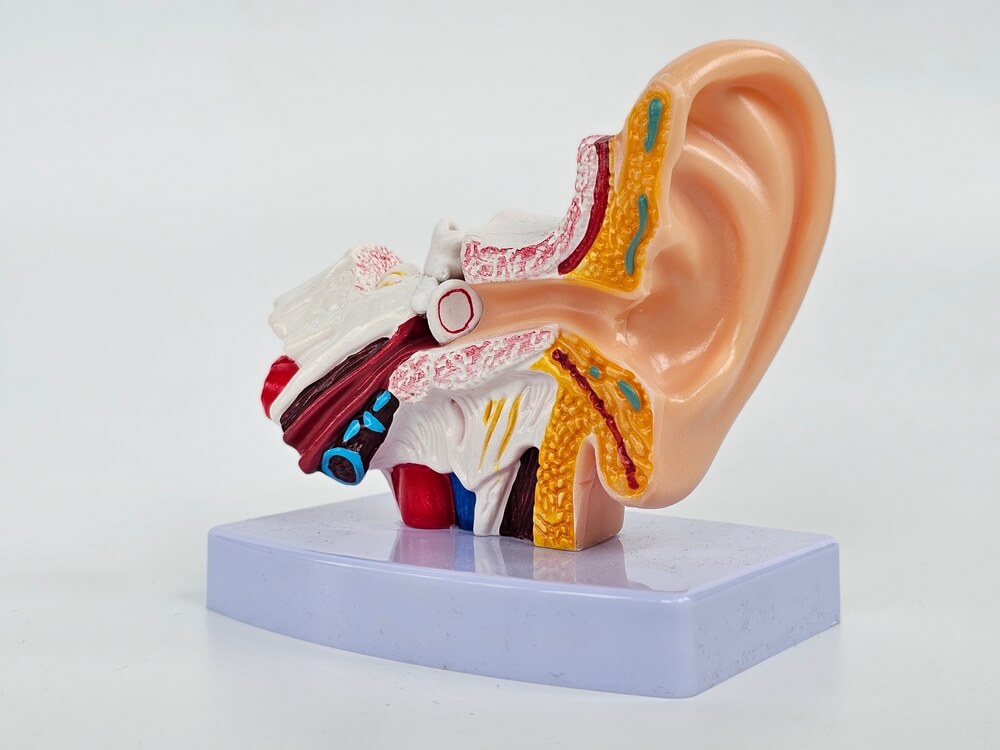
Many people experience the sensation of clogged ears at some point. It might happen during a flight, after a cold, or when seasonal allergies flare up. While temporary ear pressure is common, some individuals notice the feeling of fullness or blockage lingering for days or even weeks. This sensation can make hearing seem muffled and may cause frequent popping or pressure in the ears.
One of the most common causes of this uncomfortable feeling is a condition known as eustachian tube dysfunction. The eustachian tube plays an important role in regulating pressure inside the ear and allowing fluid to drain from the middle ear. When this small but important structure does not function properly, it can create the persistent sensation of clogged ears. Anne Arundel ENT & Facial Plastic Surgery serves patients in Annapolis and Severna Park who want to better understand why ear pressure occurs and how the eustachian tube influences ear comfort and hearing.
Understanding the Role of the Eustachian Tube
The eustachian tube is a narrow passage connecting the middle ear to the back of the nose and upper throat. Although it is small, it performs several essential functions that help maintain healthy ear pressure and hearing.
One of its main responsibilities is equalizing air pressure in the middle ear. For the eardrum to vibrate properly and transmit sound, pressure inside the middle ear must remain balanced with the pressure in the surrounding environment. The eustachian tube opens periodically to allow air to move in and out of the middle ear, helping maintain this balance.
The tube also helps drain fluid from the middle ear. Small amounts of fluid naturally accumulate in this space, and the eustachian tube allows that fluid to drain into the back of the throat where it can be absorbed by the body.
Normally, the eustachian tube opens briefly when a person swallows, yawns, or chews. These movements allow pressure to equalize quickly. When the tube does not open or close properly, however, pressure may build up in the ear.
What Happens When the Eustachian Tube Stops Working Properly
Eustachian tube dysfunction occurs when the tube becomes blocked, inflamed, or unable to open normally. When this happens, air pressure may become trapped in the middle ear.
This pressure imbalance often creates the sensation of fullness or blockage in the ear. Some individuals describe it as feeling similar to having water stuck in the ear or experiencing the pressure changes that occur during airplane travel.
Symptoms of eustachian tube dysfunction may include:
- A feeling of clogged or full ears
- Muffled hearing
- Popping or clicking sounds when swallowing
- Occasional ear discomfort or pressure
- A sensation that the ears need to “pop”
Because these symptoms can overlap with other ear conditions, an evaluation may help determine whether the eustachian tube is functioning properly. Educational resources such as why your ears feel clogged can also help patients better understand the relationship between ear pressure and congestion.
Common Causes of Eustachian Tube Dysfunction
Several conditions can interfere with the normal function of the eustachian tube. In many cases, inflammation or swelling near the opening of the tube prevents it from opening fully.
Upper respiratory infections are one of the most common triggers. During a cold or viral illness, swelling and mucus production increase throughout the nasal passages and throat. This inflammation can temporarily block the opening of the eustachian tube.
Allergies can also play a major role. When the body reacts to allergens such as pollen, dust, or pet dander, the nasal lining becomes swollen and produces additional mucus. This inflammation may affect the area where the eustachian tube connects to the back of the nose.
Sinus infections, nasal congestion, and certain structural variations in the nose may also contribute to eustachian tube dysfunction.
Why Ear Pressure Often Changes During Travel
Many people first notice ear pressure during activities that involve rapid altitude changes. Flying, driving through mountains, or even scuba diving can create significant pressure differences between the inside of the ear and the surrounding environment.
When altitude changes quickly, the eustachian tube must open to equalize pressure. If the tube opens slowly or becomes temporarily blocked, pressure may build up behind the eardrum.
This pressure difference can cause discomfort or muffled hearing until the tube opens and balances the pressure again. Swallowing, chewing gum, or yawning often helps open the eustachian tube and relieve pressure during these situations.
However, if the tube remains blocked due to inflammation or congestion, the sensation of pressure may persist longer than expected.
How Eustachian Tube Dysfunction Affects Hearing
The middle ear plays a key role in transmitting sound from the eardrum to the inner ear. When pressure inside the middle ear becomes unbalanced, it can affect how the eardrum vibrates in response to sound.
As a result, people with eustachian tube dysfunction may notice muffled or reduced hearing. Sounds may seem distant or unclear, particularly in noisy environments.
In some cases, fluid may accumulate in the middle ear when the eustachian tube cannot drain properly. This fluid can further interfere with sound transmission and contribute to hearing changes.
Although these effects are often temporary, persistent symptoms may warrant evaluation.
Everyday Factors That Can Worsen Symptoms
Certain everyday conditions may make eustachian tube dysfunction more noticeable. For example, seasonal allergies can cause repeated inflammation in the nasal passages, making the tube more likely to become blocked.
Environmental factors such as dry air, irritants, or pollution may also contribute to nasal inflammation. Even mild congestion from a cold can temporarily interfere with eustachian tube function.
Some individuals also notice that symptoms fluctuate throughout the day depending on changes in posture, sinus pressure, or activity levels.
Understanding these triggers can help explain why the sensation of clogged ears sometimes comes and goes.
When Persistent Ear Pressure Should Be Evaluated
Occasional ear pressure is common, especially during colds, allergy seasons, or travel. However, symptoms that persist for several weeks or recur frequently may benefit from evaluation by an ear, nose, and throat specialist.
An ENT evaluation typically includes an examination of the ears, nose, and throat to identify possible sources of inflammation or structural differences that may affect the eustachian tube.
In some cases, hearing tests or middle ear pressure measurements may also be performed. These tests help determine how well the eardrum and middle ear structures are functioning.
Identifying the underlying cause of persistent ear pressure helps clarify why symptoms occur and how the ear’s pressure regulation system is functioning.
Understanding Why Ears Feel Clogged
The sensation of clogged ears can be uncomfortable and distracting, particularly when it interferes with hearing or daily activities. In many cases, the feeling is related to the eustachian tube and its role in regulating pressure within the middle ear.
When this small passage becomes blocked or inflamed, pressure can build up behind the eardrum and create the sensation of fullness or muffled sound. Recognizing how the eustachian tube works helps explain why these symptoms occur and why they sometimes persist longer than expected.
Anne Arundel ENT & Facial Plastic Surgery serves patients in Annapolis and Severna Park who want to better understand eustachian tube dysfunction, the causes of persistent ear pressure, and how ENT evaluation can help identify factors affecting ear comfort and hearing.
Sources
Schilder, A., et al. (2015). Eustachian tube dysfunction: Consensus statement on definition, types, clinical presentation and diagnosis. Clinical Otolaryngology.
Bluestone, C., & Doyle, W. (2013). Anatomy and physiology of the eustachian tube and middle ear. Pediatric Infectious Disease Journal.
Smith, M., & Tysome, J. (2015). Tests of eustachian tube function: A review. Clinical Otolaryngology.