As people enter midlife and beyond, it is common to notice changes in facial contours, skin elasticity, and volume distribution. These natural aging processes can lead to sagging, jowling, or a tired appearance that does not reflect how individuals feel inside. For adults exploring facial rejuvenation, a facelift is one of the most well-known and effective surgical options for restoring smoother contours and a more youthful look. Understanding what a facelift does, how it differs from other rejuvenation procedures, and what recovery involves can help patients in Annapolis and Severna Park make confident decisions. Anne Arundel ENT & Facial Plastic Surgery in Severna Park and Annapolis offers educational guidance to help individuals throughout the Baltimore region better understand what to expect when considering a facelift.
What a Facelift Addresses
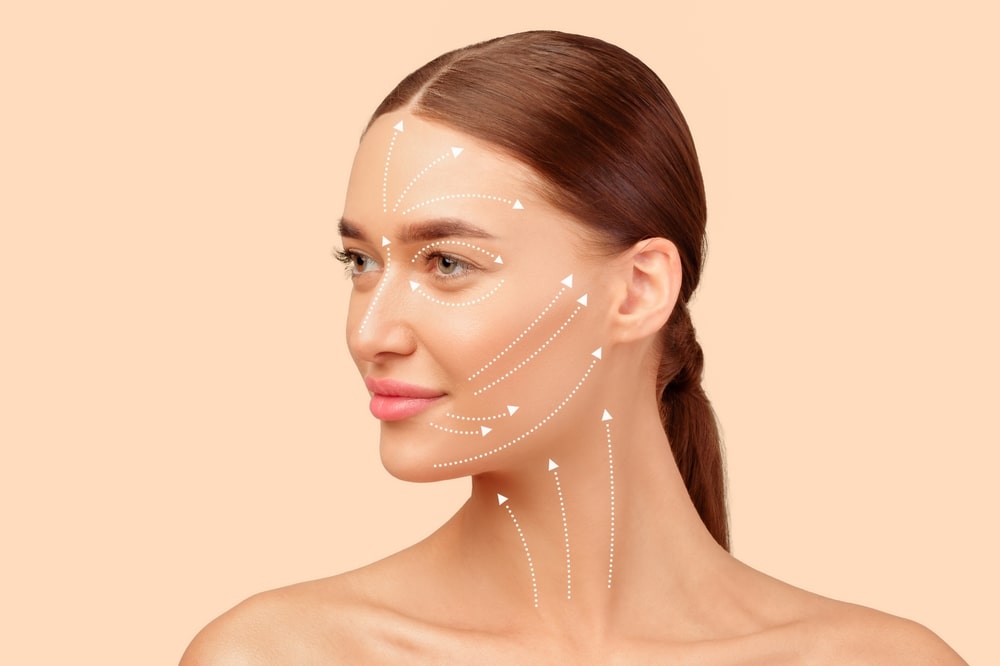
A facelift, also known as rhytidectomy, focuses on lifting and repositioning the deeper facial tissues that descend over time. Contrary to what many people assume, a facelift is not simply about tightening the skin. Instead, it repositions underlying structures to restore definition along the jawline and reduce sagging in the lower face. This deeper approach creates a more natural appearance because it addresses the source of facial aging rather than treating surface changes alone.
Patients often begin learning about surgical options by reviewing facelift and mini facelift approaches, which help clarify the difference between comprehensive rejuvenation and smaller, targeted procedures. Understanding these distinctions supports more meaningful conversations during consultations, especially when deciding how much improvement an individual desires.
How Facial Aging Happens Over Time
Aging is influenced by genetics, sun exposure, volume loss, reduced elasticity, and changes in bone structure. As collagen and elastin decrease, facial skin becomes thinner and less resilient. The layer of tissue known as the SMAS (superficial musculoaponeurotic system) also relaxes with age, contributing to jowls, deeper folds around the mouth, and a less defined jawline. These changes are normal but can affect how rested or vibrant someone appears.
In addition to lower-face changes, some individuals experience shifts in midface volume that affect the transition between the cheeks and jawline. Others notice that sagging tissues emphasize heaviness around the lower eyelids or nasal folds. Patients who want to explore how eyelid appearance and midface aging interact often review eyelid surgery educational resources to understand how upper and lower lid rejuvenation complements facelift results.
Facelift vs. Mini Facelift
Although facelifts share the same overall objective—restoring a smoother and more youthful contour—the extent of the procedure varies. A full facelift addresses deeper tissues throughout the lower face and jawline and may also include tightening in the neck area. This approach is typically chosen by individuals experiencing moderate to significant sagging.
A mini facelift, by contrast, focuses on the lower face with shorter incisions and less tissue adjustment. It is often considered by individuals with earlier signs of aging who want improvement without more extensive surgery. Understanding these differences helps patients identify which technique best aligns with their goals, lifestyle, and timeline for recovery.
Neck and Jawline Considerations
The jawline and neck often age together, which is why many surgeons evaluate both areas during a facelift consultation. Loose skin or muscle banding in the neck can create sharper contrasts or shadows that age the overall appearance. Some patients benefit from learning how neck rejuvenation works alongside facelift procedures by reviewing resources about neck lift and liposuction techniques. Recognizing how the jawline, neck, and lower face interact helps individuals develop realistic expectations about how a facelift can improve facial harmony.
The Consultation Process
During a facelift consultation, the surgeon evaluates facial anatomy, skin quality, muscle tone, volume distribution, and personal rejuvenation goals. Patients may discuss features they want to improve as well as aspects they wish to preserve. This collaborative process allows the surgeon to design a personalized approach that respects natural facial expression and balance.
Some patients also explore how overall facial proportions influence aesthetic outcome. For instance, individuals with concerns about chin projection or jawline definition sometimes review chin augmentation information to understand how structural balance affects the way the lower face is perceived. Even if chin enhancement is not desired, this educational context can help clarify why some facial profiles age differently.
Once the evaluation is complete, patients receive information about preparation, what to expect on the day of surgery, and the recovery timeline. Each facelift is tailored to the patient’s anatomy and goals, which is why understanding the nuances of the procedure is beneficial well before scheduling surgery.
What to Expect During Recovery
Recovery after a facelift is a gradual process. Swelling and tightness are common during the first week, and patients often notice improvements in contour and definition as tissues settle over time. Bruising fades steadily, and most people can resume many normal activities within a few weeks, depending on the extent of the procedure. The tissues continue to refine over several months, revealing the full result as the skin and deeper layers heal.
Rest, hydration, and careful adherence to postoperative instructions support smoother healing and the best possible aesthetic outcome. Protecting the skin from sun exposure, avoiding strenuous activity early in recovery, and attending recommended follow-up visits all contribute to long-term success. As sensation gradually returns and swelling diminishes, the facial contours become more defined, highlighting the rejuvenation achieved through the procedure.
When Patients Typically Consider a Facelift
Patients begin exploring facelift options for a variety of reasons. Some are motivated by visible signs of aging that make them appear tired or less energetic than they feel. Others notice that nonsurgical treatments no longer provide enough improvement. Individuals preparing for significant life events—such as career transitions or social milestones—may seek a refreshed appearance that aligns more closely with their confidence and goals.
Some individuals also explore how facial reconstruction techniques relate to overall facial harmony, especially when aging changes or previous trauma influence symmetry. Educational material about facial reconstruction surgery can help clarify how surgeons evaluate both aesthetic and functional considerations during treatment planning.
Conclusion
Facelifts remain one of the most comprehensive approaches to facial rejuvenation, offering patients in Annapolis and Severna Park the opportunity to restore smoother contours and a more lifted appearance. Understanding what a facelift addresses, how aging influences facial structure, and what to expect throughout the consultation and recovery process helps individuals make informed and confident decisions. Anne Arundel ENT & Facial Plastic Surgery in Severna Park and Annapolis provides educational guidance to adults throughout the Baltimore region who want to explore facial rejuvenation with greater clarity.
Sources
Baker, T. J., & Gordon, H. L. (2001). Facelift techniques: Evolution and outcomes. Plastic and Reconstructive Surgery.
Rohrich, R. J., et al. (2017). The modern facelift: Advances and refinements. Plastic and Reconstructive Surgery.
Labbé, D., et al. (2013). Facial rejuvenation: Anatomy and surgical strategies. Aesthetic Surgery Journal.