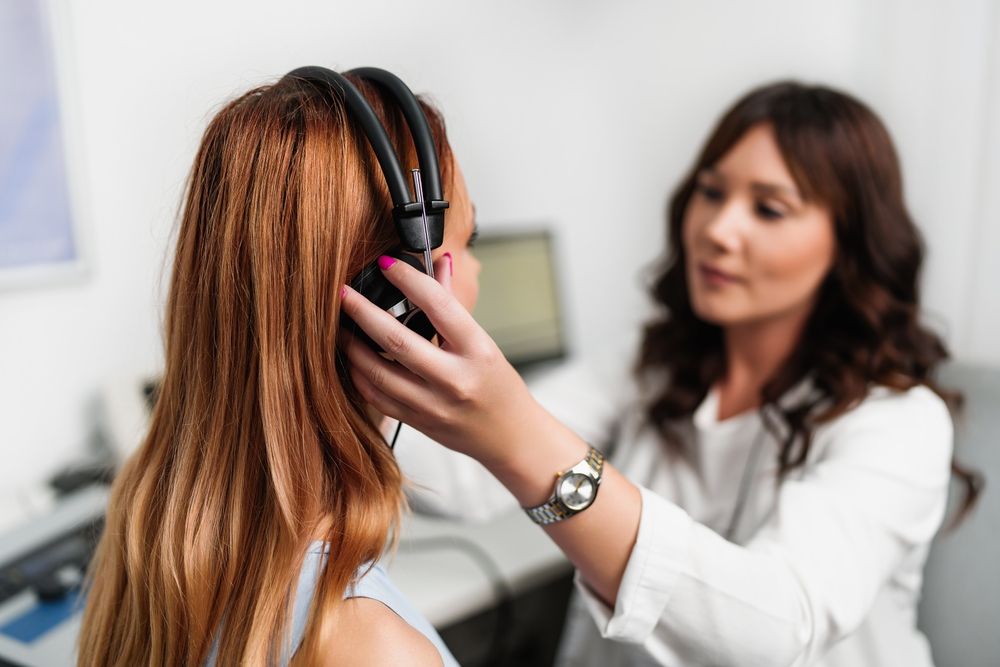


For many people, receiving hearing aids is an exciting step toward clearer conversations and a better connection with the world around them. At the same time, the first few weeks with new hearing devices can feel unfamiliar. Sounds may seem different from what was expected, and everyday environments might take time to get used to again. For individuals in Severna Park and Annapolis, understanding that hearing aid adjustment is a gradual process can make the transition feel less surprising. Anne Arundel ENT & Facial Plastic Surgery serves patients in Severna Park and Annapolis, MD who want to understand how hearing technology works and what the first month of adaptation often involves.
Why Hearing Aids Take Time to Adjust To
Hearing aids amplify sounds that the brain may not have processed clearly for years. When hearing loss develops gradually, the brain adapts to a quieter environment. Over time it becomes accustomed to missing certain frequencies, particularly higher-pitched sounds such as consonants, rustling paper, or footsteps.
When hearing aids restore access to these sounds, the brain must relearn how to interpret them. This adjustment process is sometimes called auditory retraining. Instead of instantly feeling natural, amplified sound requires a period of adaptation while the brain recalibrates its interpretation of incoming signals.
Patients who want to understand how hearing devices are selected, fitted, and maintained often review hearing aid dispensing and maintenance to see how ongoing adjustments support successful hearing aid use.
The First Few Days With Hearing Aids
During the first few days of hearing aid use, many people notice sounds they have not heard clearly in a long time. Everyday noises such as running water, footsteps, or rustling clothing may seem unusually loud. Even the sound of one’s own voice may appear slightly different.
This experience is normal and reflects the brain encountering amplified sound again. Some individuals describe this stage as feeling “noisy,” particularly in busy environments like restaurants or grocery stores.
Because the brain is adjusting to a wider range of sound frequencies, it may take several days before these sounds begin to feel more natural.
Week One: Learning to Wear Hearing Aids Consistently
Consistency plays a major role in successful hearing aid adaptation. During the first week, many audiologists recommend wearing hearing aids for several hours each day, gradually increasing usage time.
Regular use allows the brain to become familiar with amplified sound in a variety of environments. Listening during conversations, while watching television, or during outdoor activities helps the auditory system practice interpreting sound in real-life situations.
Short periods of removal may be helpful if listening fatigue occurs, but consistent daily use usually helps the adjustment process move forward more smoothly.
Week Two: Improved Speech Clarity
By the second week, many individuals begin to notice improvements in speech understanding. Conversations may feel easier to follow, especially in quiet environments. The brain gradually becomes more efficient at recognizing speech patterns that were previously difficult to hear.
Some environments may still feel challenging, particularly places with background noise. However, hearing aid technology often includes features designed to reduce noise and emphasize speech.
As the brain adapts, these features become more effective because the auditory system learns how to filter competing sounds.
Why Background Noise Can Feel Overwhelming
One of the most common concerns during the adjustment period involves background noise. Restaurants, social gatherings, and crowded environments contain multiple sound sources competing for attention.
For individuals who have experienced hearing loss for a long time, the brain may have learned to ignore many background sounds. When hearing aids restore these sounds, the brain suddenly receives far more auditory information than before.
With continued use, the brain improves its ability to prioritize important sounds such as speech while filtering out less important noise.
Follow-Up Visits and Device Adjustments
Hearing aid fittings rarely end after the initial appointment. Follow-up visits allow audiologists to fine-tune sound settings based on patient feedback. Adjustments may include modifying amplification levels, refining noise reduction features, or customizing programs for different listening environments.
Patients curious about how hearing ability is measured during these visits sometimes explore full audiology testing to understand how hearing evaluations guide device programming.
These adjustments are an important part of the adaptation process and help ensure hearing aids remain comfortable and effective over time.
Emotional Adjustment to Hearing Aids
The adjustment period is not only physical—it can also be emotional. For some individuals, hearing aids represent a major step in acknowledging hearing changes that may have developed gradually over many years.
At the same time, many people report that hearing aids quickly improve communication with family members, coworkers, and friends. Conversations become easier, and everyday interactions may feel less stressful.
Recognizing that adaptation takes time can help individuals approach the process with patience and realistic expectations.
Hearing Aids and Tinnitus Awareness
Some individuals experience tinnitus, a ringing or buzzing sound in the ears, along with hearing loss. During the hearing aid adjustment period, tinnitus may feel different because amplified environmental sound can partially mask internal noise.
Many people find that hearing aids reduce the awareness of tinnitus during daily activities. Individuals interested in understanding this connection often read about tinnitus evaluation and management to learn how auditory care addresses both hearing loss and ringing in the ears.
Improved access to everyday sounds can sometimes make tinnitus less noticeable over time.
Week Three and Four: Sound Becomes More Natural
By the third and fourth weeks of hearing aid use, many users report that amplified sound begins to feel more natural. The brain has had time to adapt to the restored frequencies, and everyday listening becomes easier.
Conversations may require less effort, and many environmental sounds that once seemed distracting become part of the background again. At this stage, hearing aids often begin to feel like a normal part of daily life rather than a new device.
Continued use strengthens the brain’s ability to interpret sound accurately and comfortably.
Building Long-Term Listening Confidence
After the first month, most individuals feel significantly more comfortable using their hearing aids. The adjustment period gradually fades as listening becomes routine again.
However, hearing health remains an ongoing process. Follow-up appointments, occasional device adjustments, and awareness of listening environments all contribute to long-term success.
Maintaining communication with hearing professionals helps ensure hearing devices continue performing as intended.
Supporting a Successful Hearing Aid Transition
The first month with hearing aids represents an important transition as the brain relearns how to process sound clearly. While the adjustment period may involve unfamiliar listening experiences, patience and consistent use typically lead to improved communication and listening comfort. Patients exploring hearing technology often turn to Anne Arundel ENT & Facial Plastic Surgery, which serves individuals in Severna Park and Annapolis who want to learn more about hearing aids and long-term hearing care.
Sources
Dillon, H. (2012). Hearing Aids. Thieme Medical Publishers.
Chisolm, T. H., et al. (2007). A systematic review of health-related quality of life and hearing aids. Journal of the American Academy of Audiology.
Kochkin, S. (2010). MarkeTrak VIII: Consumer satisfaction with hearing aids. Hearing Review.