

If you’re exploring hearing aids for the first time, you’re not alone—and you’re in the right place. Modern hearing aids are discreet, powerful, and customized to help you hear better in the moments that matter most. Whether you’re experiencing hearing loss yourself or helping a loved one, this guide walks you through the essentials: styles, features, and what to expect from the fitting process.
In This Blog:
- Why Consider Hearing Aids?
- Common Hearing Aid Styles
- Hearing Aid Technology Features
- What to Expect During the Fitting Process
- Tips for Adjusting to Hearing Aids
- When to Upgrade or Replace Your Hearing Aids
Why Consider Hearing Aids?
Hearing loss often develops gradually, making it easy to overlook. You might start turning up the volume on the TV, asking others to repeat themselves, or avoiding social gatherings where it’s hard to follow conversations.
Early treatment with hearing aids can prevent these issues from escalating. Improved hearing enhances communication, maintains relationships, and may even support cognitive health. The sooner hearing loss is addressed, the easier it is to adapt, and the more you’ll benefit from available technology.
Common Hearing Aid Styles
Hearing aids come in several styles, each designed to meet specific needs in comfort, function, and appearance:
- Behind-the-Ear (BTE): Sits behind the ear with a tube connecting to an earmold inside the ear. Great for all ages and most types of hearing loss.
- Receiver-in-Canal (RIC): Similar to BTE but with a smaller casing and more discreet design. The speaker sits inside the ear canal for clearer sound.
- In-the-Ear (ITE): Custom-fit to fill the outer ear. Easier to handle and includes larger batteries and controls.
- In-the-Canal (ITC): Smaller than ITE and partly fits in the ear canal. Offers a balance between discretion and usability.
- Completely-in-Canal (CIC) / Invisible-in-Canal (IIC): The most discreet option, these fit deep in the ear canal but may be less powerful and harder to handle for some users.
Each style has pros and cons in terms of visibility, ease of use, and performance. An audiologist can help you choose the right fit based on your hearing loss and lifestyle.
Hearing Aid Technology Features
Modern hearing aids do far more than amplify sound. Today’s devices are equipped with advanced technology, including:
- Digital Signal Processing: Automatically adjusts sound levels and clarity.
- Directional Microphones: Help focus on conversations and reduce background noise.
- Bluetooth Connectivity: Sync with smartphones, TVs, and other devices for seamless listening.
- Rechargeable Batteries: Offer convenience and long-term cost savings.
- Telecoils (T-Coils): Improve sound quality in public venues like theaters and churches.
- Feedback Cancellation and Noise Reduction: Minimize whistling and enhance comfort.
- Smartphone Apps: Allow users to control volume, switch settings, and monitor usage.
These features can be tailored during your fitting process for a more natural hearing experience.
What to Expect During the Fitting Process
Getting hearing aids involves more than just picking a device off the shelf. Here’s what typically happens:
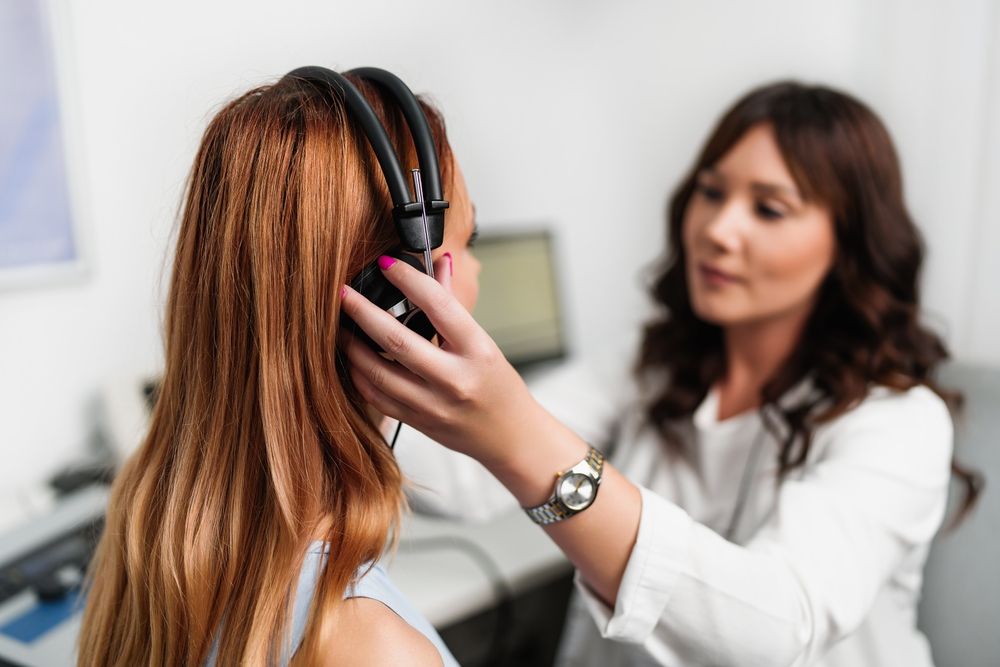
- Comprehensive Hearing Evaluation: An audiologist will test your hearing and review your needs.
- Style and Technology Selection: You’ll choose the best hearing aid type and features based on your test results and lifestyle.
- Custom Fitting: The device will be tailored to the shape of your ear and programmed to match your hearing profile.
- Initial Trial and Adjustment: You’ll have a period to adapt, with follow-up visits to fine-tune settings.
It may take a few weeks to fully adjust. Patience and open communication with your provider are key.
Tips for Adjusting to Hearing Aids
Wearing hearing aids for the first time can feel overwhelming. Here are some tips to ease the transition:
- Start by wearing them in quiet environments before tackling noisy settings.
- Practice listening to different voices, music, or audiobooks.
- Keep your hearing aids clean and dry.
- Ask for help if something feels off and remember that adjustments are normal and expected.
- Support groups and hearing care professionals can provide guidance throughout the process.
When to Upgrade or Replace Your Hearing Aids
Most hearing aids last 3–7 years. You may need a replacement if:
- Your hearing changes
- Your device is no longer comfortable or functional
- You’re interested in newer technology (like rechargeable batteries or Bluetooth)
Regular hearing checkups can help determine when it’s time to upgrade.
Conclusion
Hearing aids are more advanced, comfortable, and effective than ever. Whether you’re just starting your journey or considering an upgrade, understanding your options is the first step toward better hearing, and a better life. Don’t wait until hearing loss interferes with your daily routine. Take control, and connect with an audiologist to explore what today’s technology can do for you.
If you’re noticing signs of hearing loss or want to explore your options, schedule a hearing evaluation with a qualified audiologist at Anne Arudendel ENT & Facial Plastic Surgery today. The right hearing aid can make all the difference.