

For many adults, hearing loss develops gradually, making it easy to overlook the earliest signs. When communication begins to feel more tiring or conversations become difficult to follow, hearing aids can offer meaningful clarity and comfort. Yet many patients in Annapolis and Severna Park have questions about how hearing aids work, what features matter most, and how to care for them long-term. This educational guide offers a clear overview to help you feel confident as you explore your options. Anne Arundel ENT & Facial Plastic Surgery in Severna Park and Annapolis provides insight to help patients throughout the Baltimore region better understand their hearing health and technology choices.
Why Hearing Aids Matter More Than Ever
Modern hearing aids are more advanced, discreet, and adaptable than earlier generations. They support clearer speech processing, reduced listening fatigue, and improved awareness of environmental sounds. Because untreated hearing changes can impact daily communication, work performance, and social engagement, early exploration of hearing aids can make a meaningful difference.
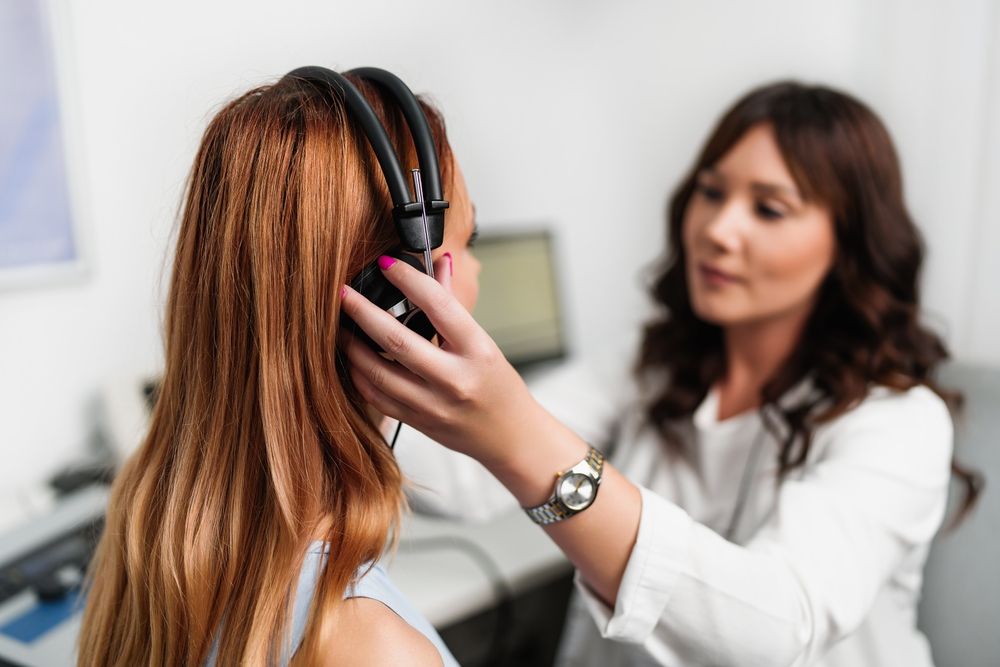
Many adults begin their hearing journey with a comprehensive evaluation. Patients who want to better understand how hearing is assessed often review full audiology testing to learn what occurs during a complete hearing exam. Establishing a hearing baseline supports informed decision-making when it comes to selecting devices.
Common Signs You May Benefit From Hearing Aids
Individuals explore hearing aids for many reasons. Some notice that they are asking others to repeat themselves frequently or that their TV volume continues to increase over time. Others struggle to distinguish speech in noisy environments, which can make group conversations frustrating. Patients may also describe a feeling that voices sound unclear or lack crispness, even when volume itself seems adequate.
Ringing or buzzing in the ears can accompany these changes, especially when sound sensitivity declines. Resources on tinnitus evaluation and management may help patients understand how hearing aids sometimes interact with tinnitus relief strategies.
Symptoms like muffled hearing may also result from temporary or structural changes. In cases where nasal swelling or congestion contributes to ear pressure, resources on nasal obstruction and rhinitis help explain how airway inflammation can influence ear comfort and sound clarity.
How Hearing Aids Work
Hearing aids amplify sound in strategic ways based on your specific hearing pattern. Unlike basic amplifiers, modern devices analyze sound digitally, separating speech from background noise and adjusting levels automatically. Directional microphones help you focus on the speaker in front of you, while noise-reduction features minimize environmental distractions. These enhancements are especially helpful for active adults and professionals navigating diverse listening environments.
Patients transitioning into hearing aids often appreciate learning how lifestyle and anatomy influence device selection. Individuals with concerns about facial proportions or lower-facial structure sometimes explore chin augmentation topics to understand how ear-to-jaw relationships affect device comfort and fit. While unrelated to hearing aid performance, this information helps clarify broader facial considerations patients sometimes ask about during their care journey.
Different Styles for Different Needs
There is no single “best” hearing aid—only the best option for your hearing, lifestyle, and comfort preferences. Behind-the-ear (BTE) and receiver-in-canal (RIC) styles remain popular due to their sound quality and battery life. Completely-in-the-canal (CIC) or in-the-ear (ITE) styles appeal to those seeking discretion. Rechargeable models are an increasingly common choice, eliminating the need to handle small batteries.
Your daily routine matters as well. Patients who spend time outdoors, around water, or exercising may prefer devices with enhanced moisture resistance. Those who frequently attend meetings, social gatherings, or restaurants may benefit from advanced speech-in-noise processing. Understanding your listening environments makes it easier to select a style that works seamlessly with your lifestyle.
Individuals experiencing seasonal swelling or sinus-related ear pressure may also find it helpful to review seasonal allergy impacts as they navigate comfort and device fit during certain times of the year.
What to Expect When Getting Hearing Aids
After your hearing evaluation, your audiologist will review the test results and explain how they relate to your listening challenges. Based on your hearing profile, they may demonstrate different device options and discuss features, connectivity, comfort, and long-term expectations. Some patients choose to test different models to understand how they manage speech clarity and background noise.
Your initial fitting ensures that the devices are comfortable and programmed correctly. You will learn how to insert, remove, clean, and charge the devices. Follow-up appointments are essential during the first few weeks as your brain adjusts to amplified sound. Even mild hearing loss can change the way your brain processes speech, so early support helps ease the transition.
Over time, routine maintenance plays a significant role in device performance. Patients often review information about hearing aid dispensing and maintenance to stay informed about cleaning tips, filter changes, and safe storage practices.
A Helpful Overview for First-Time Users
For individuals new to hearing aids, it can be helpful to keep several key principles in mind as you begin your listening journey:
• Hearing aids improve clarity, not just volume, by enhancing speech and reducing background noise.
• Your brain needs time to adapt to new sound input, so improvement often grows over several weeks rather than immediately.
• Regular cleaning and maintenance allow your devices to perform their best and prolong their lifespan.
Approaching the process with realistic expectations and consistent follow-up helps you get the most out of your devices.
When to Consider Upgrading Your Hearing Aids
Hearing aid technology evolves rapidly, and many patients find that newer models offer clearer sound, improved comfort, and better Bluetooth connectivity. If your hearing has changed, your devices feel outdated, or you want features like hands-free calling or rechargeable batteries, an upgrade may be worth exploring.
Patients who experience fluctuating symptoms due to earwax buildup, congestion, or environmental factors may find it useful to understand how earwax removal influences hearing aid performance. Wax can block sound pathways or interfere with microphones, so routine cleaning supports consistent clarity.
Conclusion
Hearing aids are powerful tools that support clearer communication, greater confidence, and improved everyday interactions. Whether you are new to hearing technology or considering an upgrade, understanding how devices work and how to care for them can help you make empowered decisions. Anne Arundel ENT & Facial Plastic Surgery in Severna Park and Annapolis provides educational guidance for patients throughout the Baltimore region as they explore hearing aid options and long-term hearing wellness.
Sources
Picou, E. M. (2020). How hearing aids improve communication in active environments. Journal of the American Academy of Audiology.
Holube, I., et al. (2016). Signal processing in modern hearing aids. Hearing Research.
Chung, K. (2004). Challenges and strategies for hearing aid users. Trends in Amplification.