
Hearing loss affects millions of people worldwide and can impact everything from social interactions to overall quality of life. While it’s often associated with aging, hearing loss can occur at any age and for a variety of reasons. The good news is that with modern medical advancements, early diagnosis and effective treatment can make a world of difference. In this blog, we’ll explore the causes of hearing loss, how to protect your hearing, and the latest treatment options available today.
Understanding Hearing Loss
To appreciate the impact of hearing loss, it helps to understand how hearing works. Sound waves travel through the ear canal and eardrum, then to the middle and inner ear, where they are converted into signals the brain can interpret.
There are three main types of hearing loss:
- Conductive Hearing Loss: Caused by problems in the outer or middle ear that block sound.
- Sensorineural Hearing Loss: Results from damage to the inner ear or auditory nerve.
- Mixed Hearing Loss: A combination of both conductive and sensorineural loss.
Hearing loss can range from mild to profound and may affect one or both ears.
Common Causes of Hearing Loss
Many factors can contribute to hearing loss, including:
- Age-related hearing loss (Presbycusis): Gradual loss of hearing as part of the natural aging process.
- Noise-induced hearing loss: From repeated exposure to loud environments such as concerts, machinery, or headphones.
- Ear infections: Chronic infections or fluid buildup can lead to temporary or permanent hearing impairment.
- Medications: Some drugs, known as ototoxic medications, can damage the inner ear.
- Genetics: Inherited conditions can affect the structure or function of the ear.
- Head trauma: Injuries to the head or ear can cause damage to hearing structures.
- Chronic illnesses: Conditions like diabetes and heart disease can affect blood flow to the auditory system, impairing function.
Recognizing the Early Signs
Hearing loss often develops gradually, making early signs easy to miss. Look out for these common symptoms:
- Frequently asking people to repeat themselves
- Needing to turn up the TV or phone volume
- Difficulty hearing conversations in noisy settings
- Hearing ringing or buzzing (tinnitus)
- Avoiding social situations due to communication challenges
Early detection is crucial for effective treatment, so don’t wait to get your hearing checked if you notice these signs.
Prevention Tips for Protecting Hearing
Fortunately, many cases of hearing loss are preventable. Here are some ways to safeguard your hearing:
- Wear ear protection: Use earplugs or earmuffs in loud environments, such as concerts or construction sites.
- Limit headphone volume: Follow the 60/60 rule, which means to listen at no more than 60% volume for no more than 60 minutes at a time.
- Avoid inserting objects into the ear: Cotton swabs and other items can damage the ear canal and eardrum.
- Manage chronic conditions: Keep diabetes and cardiovascular issues under control to protect hearing health.
- Schedule routine hearing screenings: Especially if you’re at higher risk due to age or noise exposure.
Diagnostic Tools and When to See an ENT
If you suspect hearing loss, a thorough evaluation is essential. Your ENT specialist may recommend:
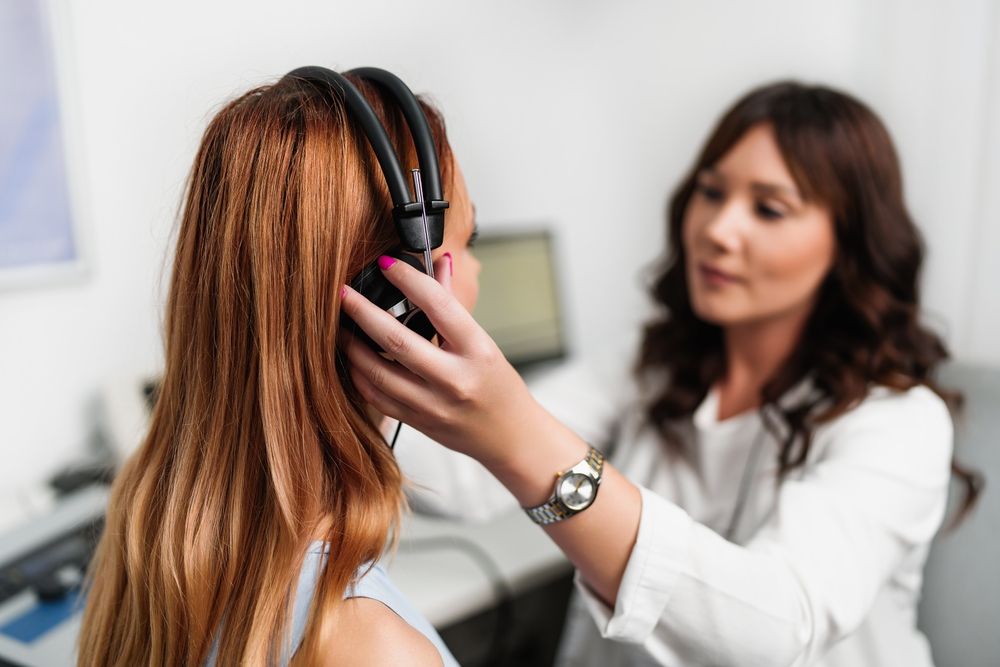
- Audiometric testing: Measures your hearing ability across a range of frequencies.
- Physical exam: Checks for visible blockages or infections in the ear canal or eardrum.
- Imaging tests: In some cases, CT or MRI scans may be used to identify structural abnormalities.
You should see an ENT if you’re experiencing hearing loss, ear pain, frequent infections, or balance issues. Audiologists often work closely with ENTs for comprehensive care.
Modern Treatment Options
Today’s treatments for hearing loss are more effective and personalized than ever. Depending on the type and severity of loss, options may include:
- Hearing aids: These devices amplify sound and come in various styles and technologies, including Bluetooth and rechargeable models.
- Cochlear implants: For individuals with severe sensorineural hearing loss, these surgically implanted devices bypass damaged parts of the inner ear to stimulate the auditory nerve directly.
- Bone-anchored hearing systems: Useful for certain types of conductive or mixed hearing loss.
- Medical and surgical solutions: For treatable causes like earwax buildup, infections, or structural issues.
- Assistive listening devices (ALDs): Include amplified phones, TV listening systems, and smartphone apps.
- Auditory rehabilitation: Includes counseling, lip-reading training, and communication strategies.
Living Well with Hearing Loss
Living with hearing loss doesn’t mean giving up on communication or social connection. Here are a few tips to enhance your daily life:
- Use technology: From smart hearing aids to captioned phone calls, many tools can help.
- Practice good communication: Face the person you’re speaking with and ask for clarification when needed.
- Modify your environment: Use soft furnishings to reduce background noise and improve sound clarity.
- Seek support: Join local or online support groups to share experiences and tips.
Conclusion
Hearing loss can affect more than just your ears. It can impact your relationships, mental health, and safety. Fortunately, understanding the causes and getting help early can make a huge difference. With modern diagnostics and treatment options, many people can restore or significantly improve their hearing.
Don’t ignore the signs. If you suspect hearing loss, schedule a hearing evaluation with Anne Arundel ENT & Facial Plastic Surgery today and take the first step toward better hearing and a fuller life.