

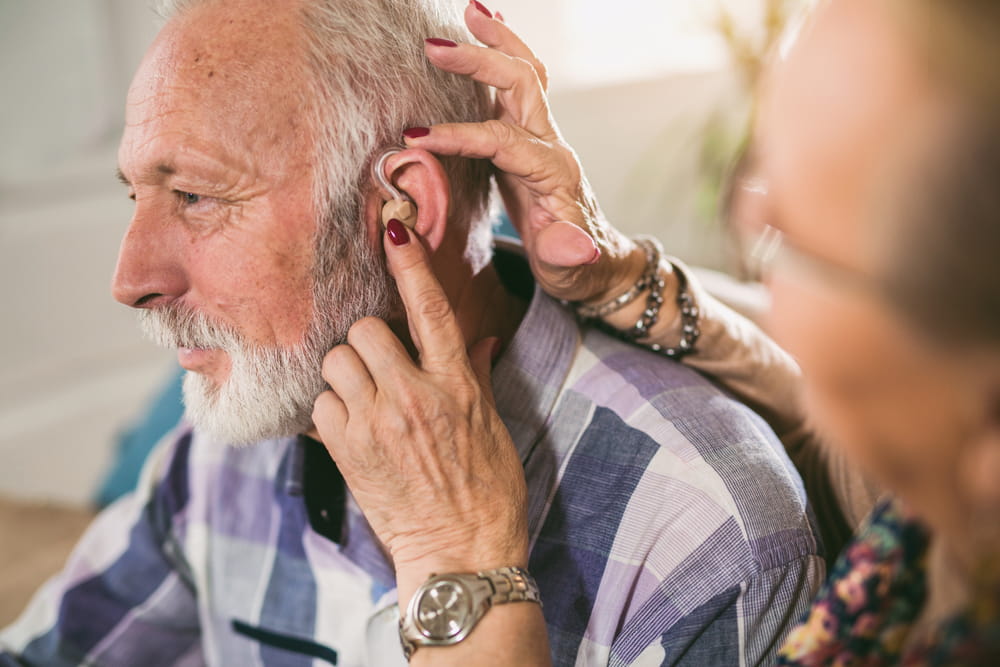
Few conversations feel as delicate as talking to a parent about hearing loss. Adult children often notice changes long before their parent does—missed conversations, television volumes creeping higher, frustration in noisy settings, or withdrawal from social situations. Yet when the topic of hearing aids comes up, it is often met with resistance. Statements like “I hear just fine” or “Everyone mumbles these days” are common, even when hearing challenges are clearly affecting daily life. Understanding why this resistance exists and how to approach the conversation with empathy can make a meaningful difference. Anne Arundel ENT & Facial Plastic Surgery in Severna Park and Annapolis works with families throughout the Baltimore region as they navigate hearing health concerns across generations.
Why Hearing Loss Is Hard for Parents to Acknowledge
Hearing loss develops gradually, which makes it easy to deny. Many older adults adapt without realizing it by relying more on visual cues, avoiding noisy environments, or letting others lead conversations. Because these changes happen slowly, hearing loss may feel like an inconvenience rather than a health concern.
There is also an emotional component. For many parents, hearing aids symbolize aging, loss of independence, or vulnerability. Some worry they will look “old” or fear they will not know how to use new technology. Others associate hearing aids with outdated devices they remember from decades ago. These concerns often have little to do with actual hearing ability and much more to do with identity and self-image.
How Hearing Loss Affects Safety and Connection
Untreated hearing loss impacts more than communication. Difficulty hearing alarms, doorbells, traffic, or medical instructions can create safety risks. Socially, hearing challenges often lead to isolation as conversations become exhausting or embarrassing. Parents may begin to withdraw from family gatherings or phone calls, which can affect emotional well-being over time.
Many adult children notice changes in personality or mood before recognizing hearing loss as a contributing factor. Frustration, irritability, or disengagement are common responses when listening becomes effortful. Addressing hearing health can help restore connection, confidence, and participation in everyday life.
Starting the Conversation With Compassion
Timing and tone matter when discussing hearing aids. Conversations tend to be more productive when framed around quality of life rather than deficits. Instead of focusing on what a parent is doing wrong, it helps to share observations gently. Statements such as “I’ve noticed you seem more tired after family dinners” or “I want to make sure you don’t miss important information” keep the focus on shared goals rather than blame.
It is also important to listen. Many parents have unspoken fears about hearing aids, whether related to cost, comfort, or stigma. Giving them space to voice these concerns builds trust and reduces defensiveness. When parents feel heard, they are more open to considering options.
Reframing What Hearing Aids Really Are
Modern hearing aids are not the bulky, whistling devices many older adults imagine. Today’s technology is discreet, customizable, and designed to support natural sound processing. Hearing aids now adapt automatically to different environments, reduce background noise, and integrate with phones and televisions.
Helping parents understand this shift can ease resistance. Some find it helpful to compare hearing aids to glasses—tools that support function rather than signal decline. Hearing aids do not replace hearing; they help the brain access sound more clearly, reducing listening effort and fatigue.
Why Professional Support Makes a Difference
One reason parents struggle with hearing aids is simply a lack of guidance. Devices that are poorly fitted or incorrectly adjusted can feel uncomfortable or ineffective, reinforcing negative beliefs. Professional evaluation and follow-up are essential for success.
Learning about hearing aid dispensing and maintenance helps families understand that hearing aids are not a one-time purchase but part of an ongoing process. Adjustments, education, and support play a critical role in helping users adapt and feel confident.
Helping Parents Adjust After They Get Hearing Aids
The adjustment period is often underestimated. When someone has lived with hearing loss for years, suddenly hearing more sounds can feel overwhelming at first. Everyday noises—footsteps, dishes, paper rustling—may seem unusually loud. This reaction is normal and temporary as the brain relearns how to process sound.
Encouragement during this phase is important. Wearing hearing aids consistently, even when they feel unfamiliar, helps the brain adapt more quickly. Adult children can support this process by being patient, offering reassurance, and celebrating small improvements rather than expecting immediate perfection.
Addressing Common Frustrations
Parents may express frustration with inserting devices, remembering to charge them, or adjusting settings. These challenges are common, especially for individuals who did not grow up with digital technology. Hands-on instruction and repetition help build confidence.
Some parents also struggle with expectations, assuming hearing aids should restore hearing to how it was decades ago. Learning about hearing loss helps set realistic expectations and explains why hearing aids improve clarity and safety rather than “fix” hearing entirely.
When Hearing Loss Is Linked to Other Symptoms
Hearing changes sometimes occur alongside ringing in the ears, balance concerns, or ear fullness. Parents may downplay these symptoms or assume they are unrelated. Understanding how tinnitus evaluation and management fits into hearing care can help families see the bigger picture of auditory health.
Recognizing these connections reinforces the idea that hearing evaluations are about overall well-being, not just amplification.
Supporting Independence Rather Than Taking Control
One of the most important roles adult children can play is supporting autonomy. While it is tempting to manage appointments or decisions on a parent’s behalf, involving them in the process preserves dignity and buy-in. Encouraging parents to ask questions, express preferences, and participate actively helps hearing aids feel like a personal choice rather than an imposed solution.
Progress may be slow, and setbacks are common. Some parents need time to warm up to the idea or may take breaks before committing fully. Patience and consistency often matter more than persuasion.
Staying Connected Through the Transition
Hearing aids are not just about sound; they are about connection. When parents hear more clearly, conversations become easier, relationships feel less strained, and shared moments feel more present. Adult children often notice renewed engagement, improved mood, and greater confidence once hearing challenges are addressed.
Helping a parent accept and use hearing aids is an act of care that extends beyond technology. It is about preserving independence, safety, and meaningful connection during an important stage of life.
Moving Forward Together
Supporting an aging parent through hearing loss requires empathy, patience, and realistic expectations. While resistance is common, thoughtful conversations and steady encouragement can open the door to positive change. For families in Annapolis and Severna Park, understanding modern hearing care makes it easier to guide loved ones toward solutions that support connection and confidence. Anne Arundel ENT & Facial Plastic Surgery in Severna Park and Annapolis works with families throughout the Baltimore region as they navigate hearing health decisions together.
Sources
Lin, F. R., et al. (2011). Hearing loss and incident dementia. Archives of Neurology.
Mick, P., et al. (2014). Hearing loss and social isolation in older adults. Journal of the American Geriatrics Society.
Pichora-Fuller, M. K., et al. (2017). Hearing impairment and cognitive energy. Ear and Hearing.