
Most adults keep track of vision exams, dental cleanings, and annual physicals, yet hearing often receives far less attention. Many people in Annapolis and Severna Park cannot recall the last time they had a formal hearing test, assuming that hearing loss is obvious or inevitable with age. In reality, hearing changes are often gradual and easy to miss, especially in busy or noisy environments. Knowing how often hearing should be evaluated helps protect communication, safety, and long-term auditory health. Anne Arundel ENT & Facial Plastic Surgery in Severna Park and Annapolis provides educational guidance for adults throughout the Baltimore region who want to stay proactive about hearing wellness.
Why Regular Hearing Testing Matters
Hearing is closely tied to quality of life. Even mild changes can affect conversations, workplace communication, and social interactions long before someone recognizes a problem. Because the brain adapts to reduced sound input over time, many people compensate without realizing it—turning up the television, avoiding noisy settings, or relying more on visual cues.
Routine hearing testing creates a baseline that allows subtle changes to be identified early. A comprehensive evaluation, such as full audiology testing, measures hearing across frequencies, speech understanding, and overall auditory function. This information makes it easier to monitor changes over time rather than waiting until communication becomes frustrating.
How Hearing Changes Over the Adult Lifespan
Hearing ability naturally shifts as people age, but the rate and pattern of change vary widely. Genetics, noise exposure, cardiovascular health, and lifestyle all influence how hearing evolves. Some adults notice difficulty understanding speech in background noise as early as their 40s, while others maintain strong hearing well into later decades.
Environmental exposure plays a major role. Adults who live or work in noisy areas of Baltimore, use power tools, attend concerts, or spend time around engines and machinery may experience changes sooner. Because these changes are often gradual, regular testing provides reassurance when hearing is stable and clarity when it is not.
Hearing Test Frequency by Age Group
Although individual needs vary, audiology professionals often recommend general testing intervals based on age and risk factors. These guidelines help adults decide when to place hearing evaluations on their calendar.
• Adults in their 20s and 30s benefit from at least one baseline hearing test, especially if they are exposed to noise at work or during recreation.
• Adults in their 40s and 50s often schedule hearing tests every three to five years, as early changes in speech clarity can begin during this stage.
• Adults over 60 typically benefit from hearing evaluations every one to two years, even if they do not notice obvious symptoms.
• Adults of any age with tinnitus, dizziness, ear pressure, or noticeable hearing difficulty should schedule testing sooner rather than later.
These timelines help ensure that hearing changes are identified before they interfere with daily life.
Signs You May Need a Hearing Test Sooner
Some adults wait for a dramatic change before scheduling a hearing evaluation, but many early warning signs are subtle. Difficulty following conversations in restaurants, misunderstanding speech on phone calls, or feeling mentally fatigued after social interactions can all signal early hearing changes.
Ringing or buzzing in the ears is another reason many adults seek testing. Learning more about tinnitus evaluation and management helps individuals understand how tinnitus and hearing changes are often linked. Even when hearing seems “mostly fine,” tinnitus can indicate underlying auditory stress.
Ear fullness or pressure may also affect hearing clarity. For individuals who experience these symptoms alongside congestion or sinus issues, educational resources on ear congestion and pressure help explain how middle ear function influences hearing results.
What Happens During a Routine Hearing Test
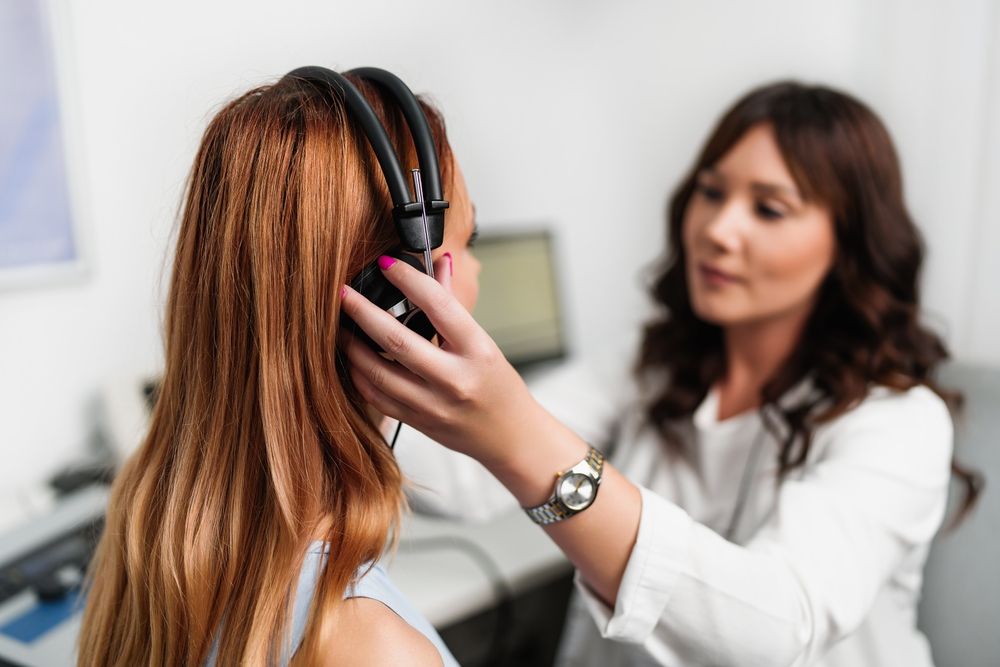
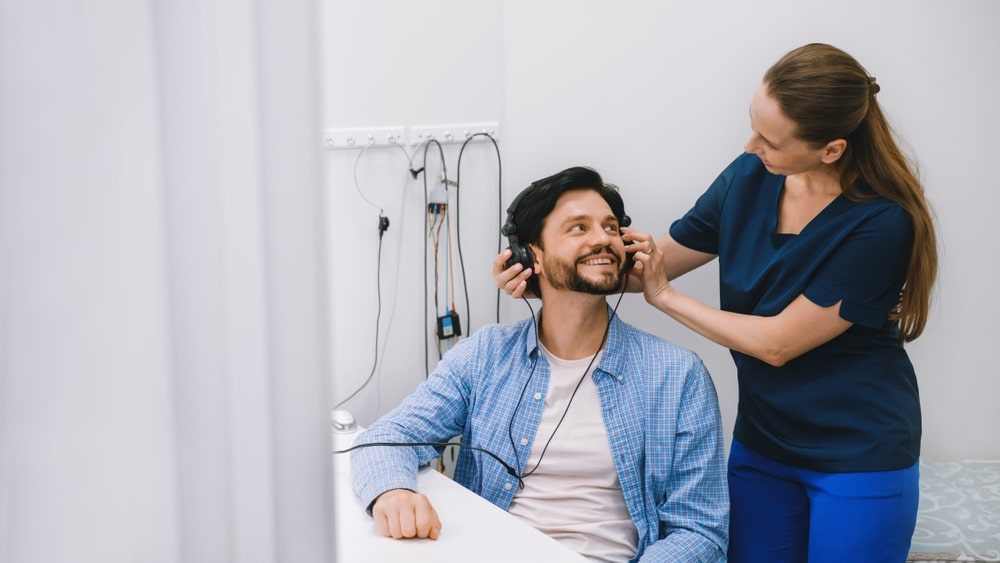
A hearing evaluation is straightforward and noninvasive. It typically begins with a discussion of hearing history, noise exposure, and daily listening challenges. The audiologist then examines the ear canal to ensure wax or blockage is not affecting the results. If buildup is present, individuals often learn about earwax removal so testing can be performed accurately.
Testing takes place in a quiet booth and includes pure-tone testing to determine the softest sounds you can hear, as well as speech testing to assess clarity and understanding. These results form an audiogram, which serves as a snapshot of your hearing health at that moment in time.
Hearing Tests and Long-Term Health
Hearing health is closely connected to overall wellness. Research continues to show links between untreated hearing loss and social isolation, listening fatigue, and cognitive strain. Regular testing allows adults to stay informed and make timely decisions that support communication and engagement.
For those whose evaluations reveal hearing changes, learning about hearing loss patterns provides helpful context. Understanding whether changes are age-related, noise-induced, or conductive helps guide next steps without unnecessary worry.
How Often to Test if You Work in Noisy Environments
Adults who work in construction, manufacturing, law enforcement, landscaping, or similar fields often benefit from more frequent testing. Exposure to consistent or sudden loud sounds can accelerate hearing changes, even with hearing protection. Musicians, fitness instructors, and frequent concertgoers also fall into this category.
In these cases, annual or biennial testing helps track subtle shifts that might otherwise go unnoticed. Regular monitoring also reinforces the importance of hearing protection and healthy listening habits.
Hearing Testing as Preventive Care
Many adults view hearing tests as reactive—something to schedule only after a problem arises. In reality, hearing evaluations are a form of preventive care, much like cholesterol screenings or eye exams. They provide reassurance when hearing is stable and clarity when it is not.
Even when no intervention is needed, establishing a testing routine helps adults feel confident about their hearing health. For those who do experience changes, early awareness opens the door to education, communication strategies, and modern hearing technology when appropriate.
Conclusion
Hearing tests are an important yet often overlooked part of adult health care. Knowing how often to schedule evaluations—based on age, lifestyle, and symptoms—helps protect long-term communication and quality of life. Whether you have not had a hearing test since grade school or you simply want to stay proactive, routine audiology exams provide valuable insight. Anne Arundel ENT & Facial Plastic Surgery in Severna Park and Annapolis offers educational support to adults throughout the Baltimore region who want to take a thoughtful, informed approach to hearing wellness.
Sources
Gates, G. A., & Mills, J. H. (2005). Presbycusis. The Lancet.
Lin, F. R., et al. (2013). Hearing loss and cognitive decline in older adults. JAMA Internal Medicine.
World Health Organization. (2021). World report on hearing. WHO Publications.