
As the face and neck age, changes in skin elasticity, muscle tone, and fat distribution can become more noticeable. Sagging skin, loss of definition along the jawline, and deepening folds are common concerns that lead many individuals to explore facial rejuvenation procedures. Two of the most frequently discussed options are the neck lift and the facelift.
Although these procedures are often mentioned together, they address different areas and concerns. Understanding how each procedure works—and what it is designed to improve—can help clarify which option may align with specific aesthetic goals. Anne Arundel ENT & Facial Plastic Surgery serves patients in Annapolis and Severna Park who want to better understand facial aging and how different surgical approaches target specific areas of concern.
How Aging Affects the Face and Neck
Facial aging is influenced by several factors, including changes in skin, fat, and underlying muscle structure. Over time, collagen and elastin levels decrease, leading to reduced skin firmness and elasticity.
Fat distribution also shifts with age. Areas that once appeared full may lose volume, while other areas may develop excess fullness. In the lower face and neck, this can lead to sagging skin, jowls, and reduced jawline definition.
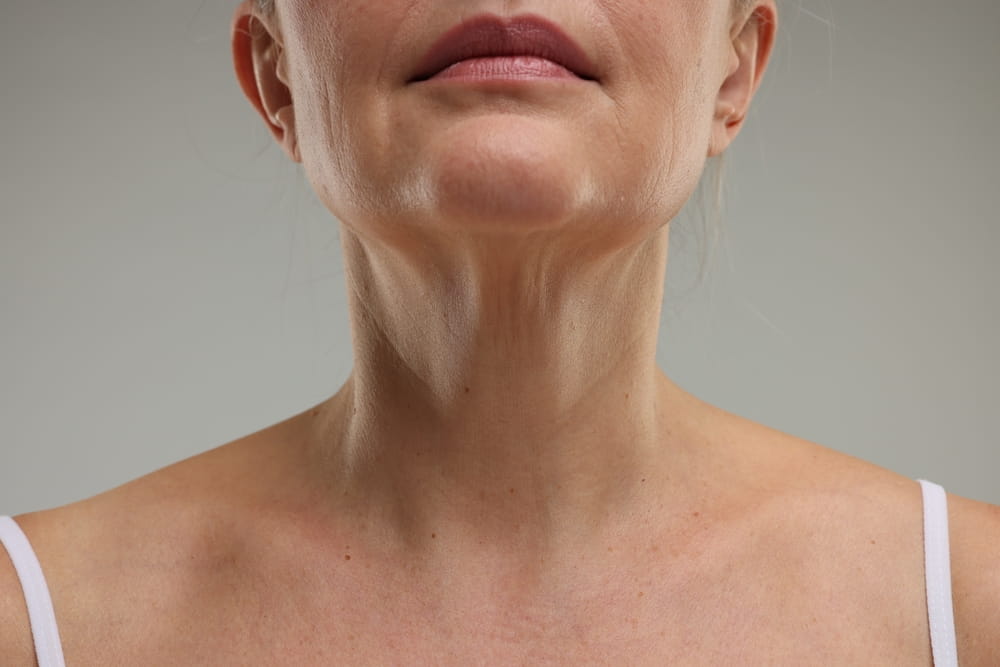
Muscle changes contribute as well. The platysma muscle in the neck may become more prominent, creating visible vertical bands. These combined changes can affect both the appearance of the face and the transition between the face and neck.
Because aging does not occur in just one area, different procedures are designed to address specific regions.
What a Facelift Is Designed to Address
A facelift primarily focuses on the lower two-thirds of the face. This includes areas such as the cheeks, jawline, and nasolabial folds (the lines that run from the nose to the corners of the mouth).
The procedure is designed to reposition underlying tissues and remove excess skin to create a more defined and balanced facial appearance. A facelift can help address sagging skin, deep folds, and loss of contour in the mid-to-lower face.
Modern facelift techniques focus on restoring natural contours rather than creating a tight or over-pulled appearance. The goal is to improve facial structure while maintaining a natural look.
Learning more about facelift and mini facelift procedures can help patients understand how these approaches target facial aging and what areas they are designed to improve.
What a Neck Lift Is Designed to Address
A neck lift focuses specifically on the area beneath the chin and along the neck. This procedure is designed to improve the contour and definition of the neck by addressing excess skin, fat, and muscle changes.
Common concerns treated with a neck lift include loose or sagging skin, fullness under the chin, and the appearance of vertical neck bands. These changes can create a less defined transition between the jawline and neck.
A neck lift may involve tightening underlying muscles and removing excess tissue to create a smoother and more defined neck profile. Understanding procedures such as neck lift and liposuction can help explain how the neck area is specifically targeted.
Key Differences Between a Neck Lift and Facelift
Although both procedures address visible signs of aging, they focus on different areas and concerns.
A facelift targets:
- Sagging skin in the cheeks and jawline
- Deep folds around the mouth
- Loss of facial contour
A neck lift targets:
- Loose or sagging skin in the neck
- Fullness under the chin
- Vertical neck bands
Because these procedures address separate regions, one may be more appropriate depending on where aging changes are most noticeable.
When One Procedure May Be More Appropriate
In some cases, aging changes are more prominent in one area than the other. For example, an individual with a well-defined jawline but loose neck skin may benefit more from a neck lift.
Conversely, someone experiencing sagging in the cheeks and jawline but minimal neck concerns may focus on a facelift.
The decision depends on the specific areas of concern and how aging has affected facial proportions. A thorough evaluation helps determine which procedure may align with individual goals.
When Both Procedures May Be Considered Together
Because the face and neck are closely connected, many individuals experience aging changes in both areas at the same time. In these cases, a combination of procedures may be considered to create a more balanced result.
Addressing only one area may leave the other unchanged, which can affect overall facial harmony. Combining procedures allows both the face and neck to be evaluated together for a more cohesive outcome.
The approach varies depending on the individual’s anatomy and aesthetic preferences.
Understanding Facial Balance and Proportion
Facial rejuvenation is not just about tightening skin—it also involves maintaining balance and proportion. The relationship between the face, jawline, and neck plays a key role in overall appearance.
For example, improving the jawline without addressing the neck may not fully enhance facial contours. Similarly, focusing only on the neck may not address changes in the cheeks or lower face.
Understanding how these areas interact helps explain why different procedures target specific regions and why a comprehensive evaluation is important.
What Happens During a Consultation
A consultation for facial rejuvenation typically involves an assessment of both the face and neck. The provider evaluates skin quality, muscle tone, fat distribution, and overall facial structure.
Patients are encouraged to discuss their concerns and goals, including which areas they would like to improve. Photographs or imaging may be used to help visualize potential changes.
This discussion helps determine whether a neck lift, facelift, or combination of procedures may be appropriate based on individual anatomy and expectations.
Choosing the Right Approach for Aging Concerns
There is no one-size-fits-all approach to addressing facial aging. Each individual experiences changes differently, and the most appropriate procedure depends on the areas affected.
Some individuals may benefit from a targeted approach that focuses on a specific area, while others may consider a combination of procedures to address multiple concerns.
Understanding the differences between a neck lift and a facelift helps clarify how each option addresses specific aspects of aging.
Learn about facial rejuvenation options, including how neck lift and facelift procedures differ and how each approach may address signs of aging in the face and neck at Anne Arundel ENT & Facial Plastic Surgery in Annapolis and Severna Park.
Sources
Rohrich, R. J., & Pessa, J. E. (2015). The anatomy of facial aging. Plastic and Reconstructive Surgery.
Baker, D. C. (2011). Minimal incision rhytidectomy (facelift). Facial Plastic Surgery Clinics of North America.
Matarasso, A., & Elkwood, A. (2009). Neck rejuvenation techniques. Clinics in Plastic Surgery.