
Getting your first pair of hearing aids is an exciting step toward reconnecting with the sounds of everyday life such as conversations, laughter, music, and the world around you. However, adjusting to hearing aids can take time, as your brain and ears relearn how to process sounds that may have been missing for a while. The good news is that with patience, consistency, and a few helpful strategies, you can quickly adapt and enjoy the full benefits of better hearing. In this blog, we’ll walk you through what to expect during the adjustment period and share practical tips to help you get the most from your new hearing aids.
In This Blog:
- Understanding the Adjustment Period
- Tips for Getting Comfortable with Your Hearing Aids
- Daily Habits to Improve Your Listening Experience
- Troubleshooting Common Early Challenges
- Caring for Your Hearing Aids
- When to Follow Up with Your Audiologist
Understanding the Adjustment Period
When you first start wearing hearing aids, it’s completely normal for sounds to feel strange or even overwhelming. Everyday noises like running water, footsteps, or rustling paper, might seem louder than expected. This is normal and it happens because your brain is relearning how to interpret amplified sounds after a period of reduced hearing.
Most people adjust to their hearing aids within a few weeks, though the exact timeline varies from person to person. The key is consistency. Wearing your hearing aids every day helps your brain adapt more quickly. Remember, the goal isn’t just to hear sounds, it’s also to recognize and understand them comfortably.
Tips for Getting Comfortable with Your Hearing Aids
- Start slow: Begin by wearing your hearing aids for just a few hours each day, especially in quiet environments. Gradually increase your wearing time as you get used to them.
- Practice listening: Try listening to audiobooks, podcasts, or TV shows while reading captions. This helps train your brain to link sounds with words again.
- Communicate with loved ones: Let family and friends know you’re adjusting to new hearing aids. Ask them to speak clearly and face you during conversations.
- Be patient: Your comfort and clarity will improve as your brain adapts. Give yourself grace and celebrate small improvements along the way.
Daily Habits to Improve Your Listening Experience
Small habits can make a big difference in how well you adjust to your hearing aids:
- Keep a hearing journal: Write down when and where you notice listening challenges. This helps your audiologist fine-tune your devices at follow-up visits.
- Mind your environment: Choose quieter settings when possible, and sit where you can clearly see the person speaking. Visual cues help with comprehension.
- Adjust gradually: Avoid constantly changing the volume. Modern hearing aids automatically adapt to your surroundings, so try to trust the technology to do its job.
- Take breaks: If you feel fatigued, take short breaks. Your brain is doing extra work as it adjusts to processing sound again.
Troubleshooting Common Early Challenges
As you adapt, you may encounter a few temporary challenges. Here’s how to handle them:
- Feedback or whistling: This can occur if the hearing aid isn’t properly seated in your ear or if there’s earwax buildup. Make sure your devices fit snugly and your ears are clean.
- Your voice sounds different: Many new users experience the “occlusion effect,” where their voice sounds louder or echoey. This often improves with time, but your audiologist can adjust the settings if needed.
- Discomfort or irritation: It’s normal for your ears to feel slightly sensitive at first. If discomfort persists, your hearing care provider can make small fit adjustments.
- Background noise: It takes time for your brain to filter out unwanted sounds again. Gradual exposure and practice will make it easier to focus on what matters most.
Caring for Your Hearing Aids
Proper maintenance ensures your hearing aids continue performing at their best. Here are some tips on how to care for your hearing aids:
- Clean daily: Wipe your devices gently with a soft, dry cloth to remove moisture and earwax.
- Store safely: When not in use, keep them in their protective case and away from heat, humidity, and pets.
- Manage moisture: Use a hearing aid dehumidifier or drying kit, especially in humid climates.
- Check batteries or charge regularly: Low power can cause performance issues or feedback.
- Schedule routine cleanings: Professional maintenance helps prevent buildup and ensures long-term reliability.
When to Follow Up with Your Audiologist
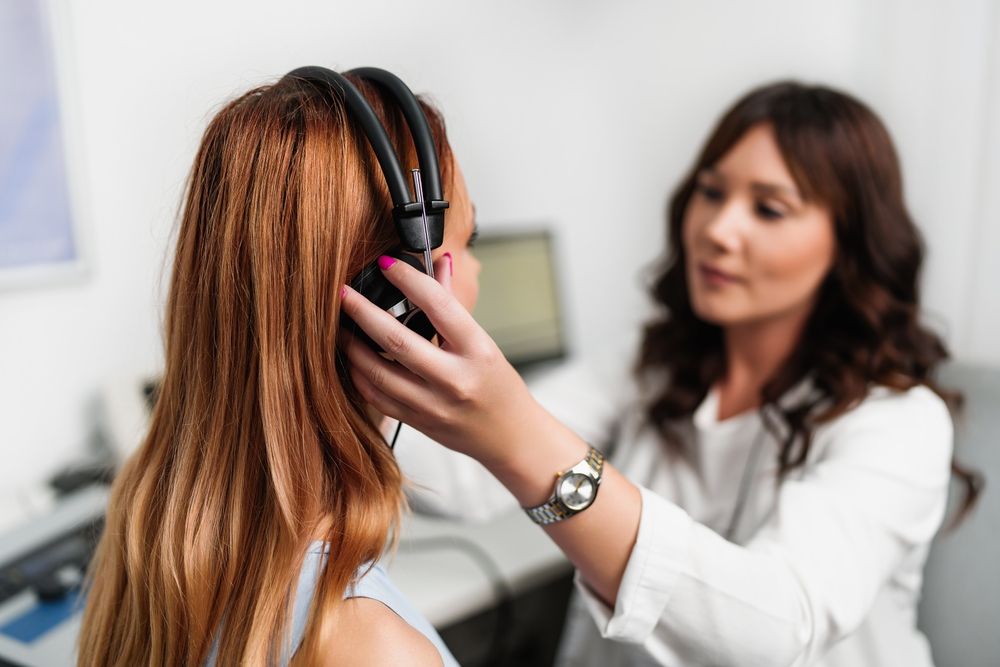
Follow-up visits are a key part of successful hearing aid use. Your Annapolis audiologist can:
- Fine-tune your settings: They’ll adjust volume and programming to match your specific listening environments.
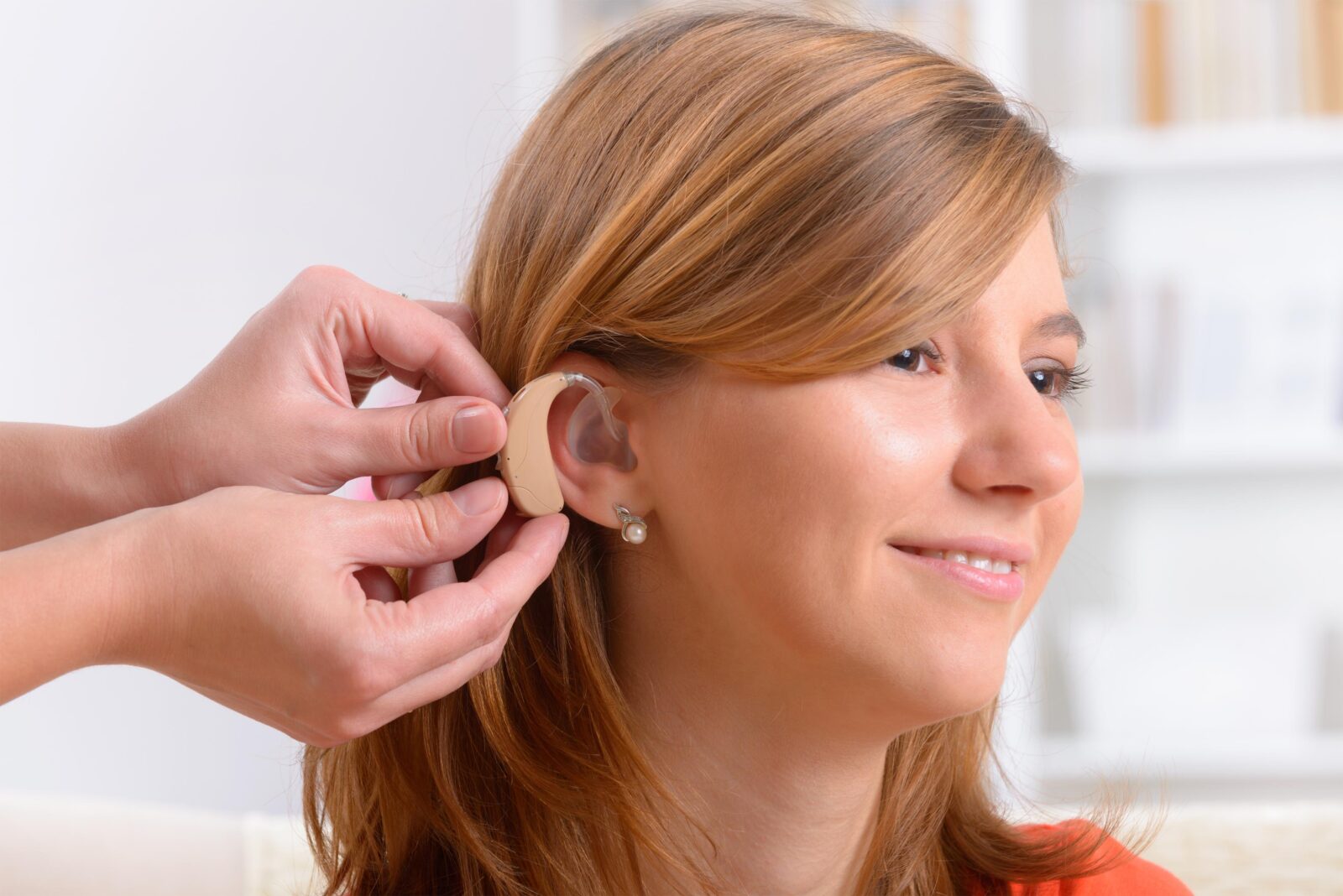
- Address fit or comfort issues: Small modifications can make a big difference in comfort.
- Offer hearing aid accessories: Ask about Bluetooth connectivity, TV streamers, or remote microphones to improve clarity in specific situations.
- Provide education and support: Your audiologist can teach you cleaning techniques and answer any ongoing questions.
Regular follow-ups, especially within the first few weeks, help ensure your hearing aids continue to meet your needs as you adapt.
Conclusion
Adjusting to hearing aids is a journey, but one that leads to clearer conversations, better connections, and a richer quality of life. With consistent use, proper care, and guidance from your audiologist, you’ll soon find your hearing aids becoming a natural part of your daily routine.
If you’re new to hearing aids or need help optimizing your current pair, schedule a consultation with the audiology team at Anne Arundel ENT & Facial Plastic Surgery. With convenient locations in Annapolis and Severna Park, Maryland, our experienced specialists provide comprehensive hearing evaluations, personalized fittings, and ongoing support to help you hear your best.