
Hearing plays a vital role in a child’s ability to learn, communicate, and connect with the world around them. Yet, hearing loss in children often goes unnoticed, especially when symptoms are subtle or mistaken for behavioral or attention issues. Pediatric audiology focuses on identifying and managing hearing problems early, ensuring every child can reach their full potential. In this blog, we’ll explore when children should get hearing tests, the signs parents should watch for, and how early detection supports healthy development.
In This Blog:
- Understanding Pediatric Audiology
- Why Hearing Tests Are Important for Children
- When Children Should Get Hearing Tests
- Common Signs of Hearing Problems in Children
- What to Expect During a Pediatric Hearing Test
- Treatment and Support if a Hearing Issue Is Found
Understanding Pediatric Audiology
Pediatric audiology is a specialized field focused on diagnosing and managing hearing issues in infants, children, and adolescents. Because children’s ears and communication abilities are still developing, pediatric audiologists use tailored testing methods that are gentle, engaging, and age-appropriate.
At AAENT, our audiologists understand that every child is unique. We use specialized tests designed to measure hearing responses, even in babies who cannot yet talk, and ensure accurate results in a calm, supportive setting. By combining clinical expertise with compassion, our pediatric audiology team helps families find answers early and build a strong foundation for their child’s communication and learning skills.
Why Hearing Tests Are Important for Children
Hearing is essential for speech, language, and learning, especially in the first few years of life when the brain is developing rapidly. Undiagnosed hearing loss can lead to speech delays, learning difficulties, and social challenges. Even mild hearing loss can affect a child’s ability to follow directions or engage fully in school and play.
Early hearing evaluations allow audiologists to detect issues before they affect development. When hearing problems are identified and treated early, children can make remarkable progress with speech therapy, hearing devices, or medical management. Regular hearing tests also provide peace of mind for parents, confirming that their child’s hearing is supporting healthy growth and communication.
When Children Should Get Hearing Tests
Children should receive hearing screenings at several key stages of development:
| Age/Stage | When to Test | Where It’s Typically Done |
| Newborn | Within the first few days after birth | Hospital newborn screening |
| Infant/Toddler (6 months – 3 years) | If risk factors, delayed speech, or infections occur | Pediatrician or ENT office |
| Preschool Age (3–5 years) | Before starting school | Pediatrician, preschool, or audiology clinic |
| School Age (6+ years) | Routine screenings during school years | School or ENT/audiology office |
| Anytime concerns arise | At any age when hearing issues are suspected | ENT or audiologist |
Parents should also schedule a test if their child has had frequent ear infections, shows delayed speech, or seems unresponsive to sounds. At AAENT, we offer hearing evaluations for children of all ages, from infants to teens, using advanced technology and a patient, family-friendly approach.
Common Signs of Hearing Problems in Children
Hearing loss can present differently depending on the child’s age. Early recognition is key to timely intervention. Common signs include:
- Not responding to their name or common sounds.
- Turning up the TV or tablet volume excessively.
- Difficulty following conversations or instructions.
- Saying “what?” or “huh?” frequently.
- Speaking louder than normal or having unclear speech.
- Appearing inattentive, frustrated, or socially withdrawn.
If you notice any of these behaviors, it’s best to schedule a hearing test. The audiologists at AAENT work closely with parents and pediatricians to determine whether a child’s hearing is within normal limits or if treatment is needed.
What to Expect During a Pediatric Hearing Test
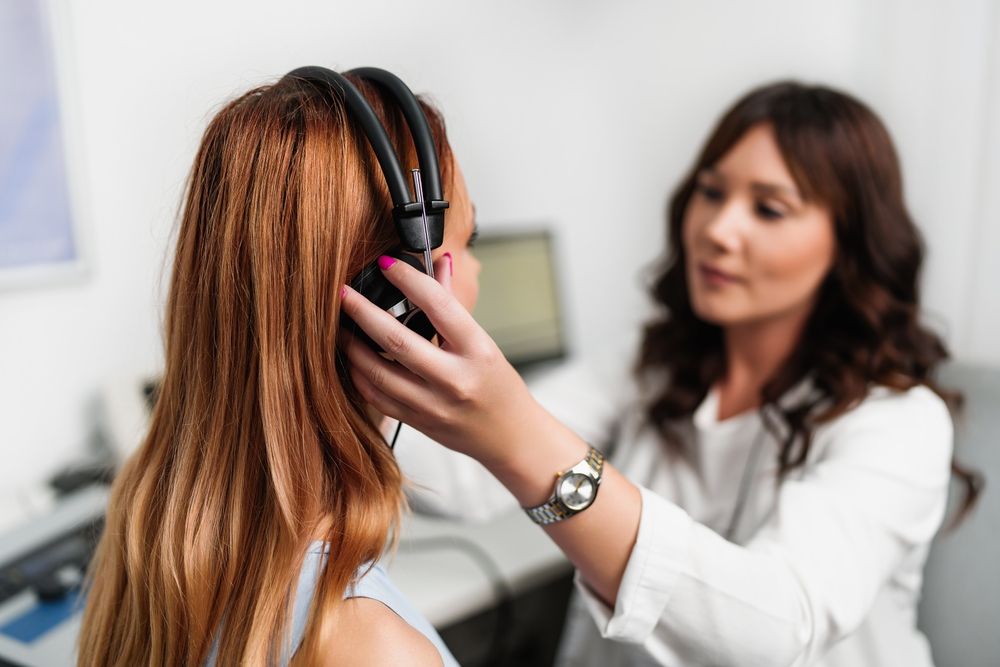
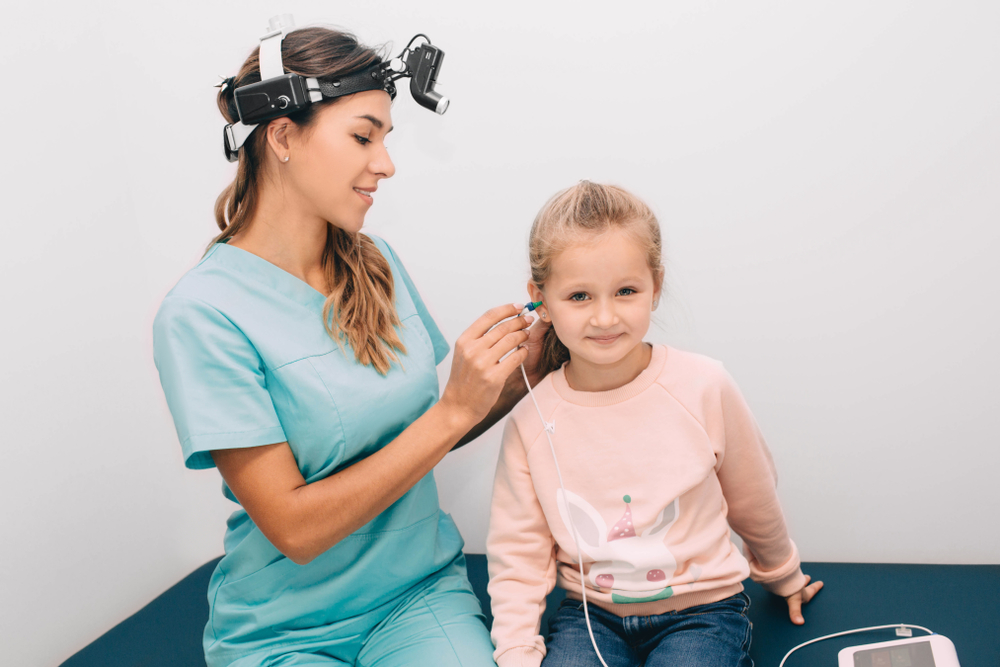
Pediatric hearing tests are noninvasive, painless, and often fun for kids. The audiologist will first review your child’s medical history and look inside the ears to check for blockages, fluid, or infection. Depending on the child’s age, tests may include:
- Otoacoustic Emissions (OAE): Measures inner ear response to sound, often used for babies and toddlers.
- Tympanometry: Checks how the eardrum moves to detect fluid or middle ear problems.
- Play Audiometry: Turns the hearing test into a game for young children.
- Conventional Audiometry: Involves listening to tones and speech for older children.
The goal is to make the experience engaging and stress-free. Parents are encouraged to stay in the room to comfort and encourage their child.
Treatment and Support if a Hearing Issue Is Found
If testing reveals hearing loss, there are many effective treatment options available depending on the cause and severity. These may include:
- Medical management for ear infections or wax buildup.
- Hearing aids or other assistive listening devices.
- Speech or auditory therapy to support language development.
- Surgical options for structural issues, when appropriate.
Early treatment not only improves hearing but also helps children thrive academically and socially.
Conclusion
Healthy hearing is the foundation for strong communication, learning, and confidence in children. Regular hearing screenings help ensure that potential issues are identified early when treatment is most effective.
If you have concerns about your child’s hearing, trust the expert audiologists at Anne Arundel ENT & Facial Plastic Surgery. We offer compassionate, comprehensive pediatric hearing evaluations in Annapolis and Severna Park, designed to give families answers and peace of mind.
Call today to schedule a pediatric hearing test and support your child’s healthy hearing and development.