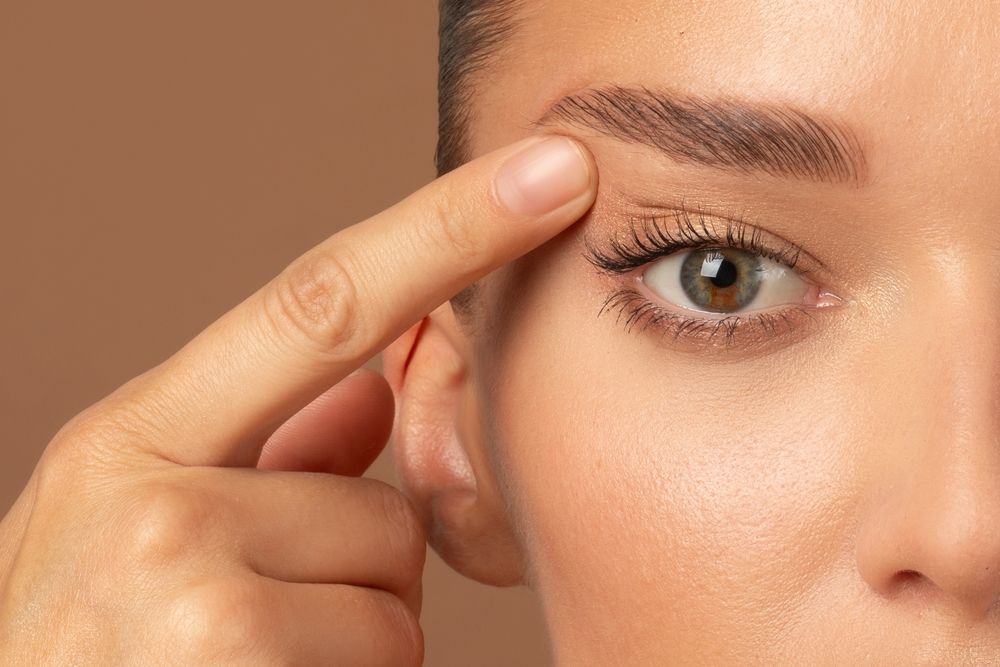


Head pain around the eyes, forehead, or cheeks is often assumed to be related to sinus pressure. Many people reach for cold remedies or allergy medications when these symptoms appear. However, not all facial pain is caused by sinus issues. In fact, migraines are frequently mistaken for sinus headaches because the symptoms can overlap in ways that are not always obvious.
Understanding the difference between sinus headaches and migraines can help explain why symptoms occur and why certain treatments may not provide relief. While both conditions can cause discomfort in similar areas of the face and head, they stem from very different underlying processes. Anne Arundel ENT & Facial Plastic Surgery serves patients in Annapolis and Severna Park who want to better understand the causes of head pain and how proper evaluation can help clarify whether symptoms are sinus-related or neurological.
What Causes a Sinus Headache?
A sinus headache is typically associated with inflammation or blockage in the sinus cavities. These air-filled spaces are located behind the forehead, cheeks, and eyes. When the sinuses become inflamed, pressure can build, leading to a sensation of fullness or discomfort.
This type of headache is often linked to sinus infections or chronic nasal inflammation. When mucus cannot drain properly, it creates pressure within the sinuses that may worsen when bending forward or lying down.
People experiencing sinus-related head pain often notice symptoms such as nasal congestion, facial pressure, and a reduced sense of smell. Learning more about sinus headache symptoms can help explain how sinus inflammation leads to discomfort and why pressure tends to concentrate in specific areas of the face.
What Defines a Migraine?
Migraines are a neurological condition rather than a sinus-related issue. They involve changes in brain activity that affect how the body processes pain and sensory input.
Migraine pain is often described as throbbing or pulsating and may occur on one or both sides of the head. Unlike sinus headaches, migraines frequently include additional symptoms such as sensitivity to light, sound, or smell.
Some individuals may also experience nausea, visual disturbances, or a need to rest in a dark, quiet environment. Because migraines can affect multiple systems in the body, they often feel more intense and disruptive than sinus-related discomfort.
Why These Two Conditions Are Often Confused
Sinus headaches and migraines are commonly confused because they share overlapping symptoms. For example, both can cause pressure around the eyes and forehead. Additionally, migraines may sometimes cause nasal congestion or watery eyes, which can mimic sinus-related symptoms.
This overlap can make it difficult to determine the true cause of head pain without further evaluation. As a result, individuals may treat migraine symptoms as sinus issues, which may not lead to improvement if the underlying cause is neurological.
Understanding how conditions like nasal obstruction and rhinitis contribute to sinus pressure can help distinguish between true sinus-related symptoms and those that originate elsewhere.
Key Symptom Differences to Watch For
Although the symptoms may appear similar at first, certain patterns can help differentiate sinus headaches from migraines.
Sinus headaches are more likely to involve:
- Constant pressure in the face or forehead
- Thick nasal discharge
- Nasal congestion or blockage
- Pain that worsens when bending forward
- Reduced sense of smell
Migraines are more likely to involve:
- Throbbing or pulsating pain
- Sensitivity to light, sound, or smell
- Nausea or vomiting
- Visual changes such as aura
- Pain that worsens with physical activity
These differences can provide helpful clues when trying to identify the source of head pain.
The Role of Sinus Infections
True sinus headaches are often linked to sinus infections. When the sinuses become inflamed and filled with fluid, pressure builds and can lead to persistent facial pain.
In addition to head pressure, sinus infections may cause symptoms such as fever, thick nasal discharge, and ongoing congestion. The discomfort is usually steady and localized to the affected sinus areas.
Unlike migraines, sinus-related pain often improves as inflammation decreases and normal drainage is restored. Understanding how sinus conditions develop can help explain why symptoms may persist until the underlying issue resolves.
How Hearing and Sensory Processing Can Play a Role
While migraines are primarily neurological, they can influence multiple sensory systems, including hearing and sensitivity to sound. Some individuals with migraines may notice increased sensitivity to noise, which can make environments feel overwhelming.
Learning about broader conditions such as hearing loss can provide insight into how sensory processing affects perception, even though hearing loss itself is not a direct cause of migraines or sinus headaches.
The connection between sensory processing and head pain highlights how complex these conditions can be.
Triggers That Can Help Differentiate the Cause
Triggers often differ between sinus headaches and migraines, which can help identify the underlying issue.
Sinus headaches are commonly triggered by:
- Upper respiratory infections
- Seasonal allergies
- Environmental irritants
- Changes in sinus pressure
Migraines are more commonly triggered by:
- Stress or fatigue
- Hormonal changes
- Certain foods or beverages
- Bright lights or strong odors
- Changes in sleep patterns
Tracking when symptoms occur and what may have triggered them can provide valuable insight into the cause of head pain.
When Head Pain Should Be Evaluated
Occasional headaches are common, but persistent or severe symptoms may benefit from professional evaluation. If head pain does not improve with typical measures or continues to return, identifying the underlying cause becomes important.
ENT specialists can evaluate the sinuses to determine whether inflammation, infection, or structural factors are contributing to symptoms. If sinus involvement is unlikely, further evaluation may help identify other causes such as migraines.
Accurate diagnosis helps ensure that symptoms are properly understood and managed.
Understanding the Difference for Better Awareness
Although sinus headaches and migraines can feel similar, they originate from very different processes. Sinus headaches are typically related to inflammation within the sinus cavities, while migraines involve complex neurological activity within the brain.
Recognizing the differences in symptoms, triggers, and patterns can help explain why certain treatments may or may not be effective. This understanding is an important step in identifying the source of head pain and seeking appropriate evaluation when needed.
Anne Arundel ENT & Facial Plastic Surgery serves patients in Annapolis and Severna Park seeking more info about sinus headaches, migraines, and how ENT evaluation can help clarify the cause of persistent facial or head pain.
Sources
Schreiber, C. P., et al. (2004). Prevalence of migraine in patients with a history of self-reported sinus headache. Archives of Internal Medicine.
Eross, E., Dodick, D., & Eross, M. (2007). The sinus, allergy and migraine study. Headache.
Rosenfeld, R. M., et al. (2015). Clinical practice guideline for adult sinusitis. Otolaryngology–Head and Neck Surgery.