
When you think about protecting your brain, you might think of puzzles, exercise, or eating healthy. But did you know your hearing plays a big role, too? More and more research shows that untreated hearing loss can increase the risk of memory problems, confusion, and even dementia. The good news is that taking care of your hearing can also help protect your mind.
In This Blog:
- What Is Hearing Loss?
- What Is Cognitive Decline?
- How Hearing Loss Affects the Brain
- Protecting Your Hearing, Protecting Your Brain
- What You Can Do for Yourself or a Loved One
What Is Hearing Loss?
Hearing loss happens when your ears can’t pick up sounds the way they used to. It’s common as we age, but it can also be caused by loud noises, genetics, or certain health conditions. There are different types of hearing loss:
- Sensorineural: caused by damage to the inner ear or nerves.
- Conductive: caused by blockages or issues in the outer or middle ear.
- Mixed: a combination of both.
No matter the type, untreated hearing loss can make everyday conversations and activities harder. Hearing loss can also affect your brain.
What Is Cognitive Decline?
Cognitive decline means the brain isn’t working as sharply as before. It can show up as:
- Forgetfulness
- Trouble focusing
- Slower thinking or problem-solving
- Difficulty following conversations
Sometimes this is mild, but in other cases, it can lead to dementia. Age, lifestyle, and health conditions all play a role, and now we know hearing loss can, too.
How Hearing Loss Affects the Brain
Studies have found that people with hearing loss are more likely to experience memory problems or dementia. Why does this happen? Experts believe there are a few reasons:
- Cognitive Load: When it’s harder to hear, your brain works overtime just to make sense of sounds, leaving less energy for memory and thinking.
- Social Isolation: Hearing difficulties can make conversations frustrating, leading many people to avoid social situations. Loneliness and less stimulation can speed up decline.
- Brain Changes: Research suggests that untreated hearing loss can actually cause the parts of the brain involved in hearing and memory to shrink faster.
Protecting Your Hearing, Protecting Your Brain
The good news is there are steps you can take:
- Get Your Hearing Tested: Regular screenings can catch problems early.
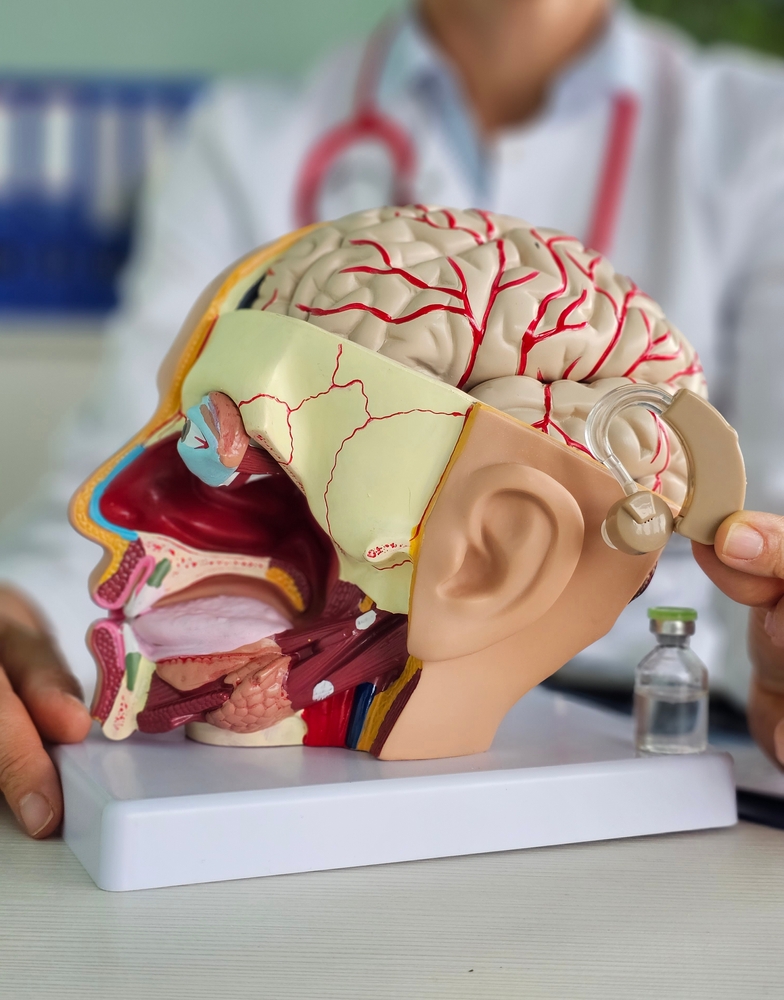
- Consider Hearing Aids or Implants: These devices improve hearing in order to keep your brain active and engaged.
- Stay Social: Talking with friends, joining groups, or participating in activities keeps your mind sharp.
- Healthy Lifestyle Choices: Exercise, a balanced diet, and brain-challenging activities all support both hearing and memory.
What You Can Do for Yourself or a Loved One
If you or someone you love is turning up the TV louder, asking “what?” more often, or avoiding conversations, it’s time to take action. Seeing an audiologist or ENT (ear, nose, and throat doctor) can make a big difference. Remember, hearing care is brain care.
Conclusion
Hearing loss doesn’t just affect your ears, it can affect your mind, too. By addressing hearing problems early, you can improve your quality of life, stay connected to others, and help protect your brain health for years to come.
Your hearing is deeply connected to your memory, focus, and overall quality of life. At Anne Arundel ENT & Facial Plastic Surgery, our experienced team provides complete hearing evaluations and personalized treatment options to help you stay connected and protect your cognitive health.
Don’t wait until small signs of hearing loss become bigger challenges. Schedule your hearing test today at our Annapolis or Severna Park locations and take charge of both your hearing and your brain health.