
For many adults, tinnitus becomes most noticeable not in silence, but after exposure to certain everyday sounds. Ringing, buzzing, or humming in the ears can intensify following a busy workday, a loud commute, or time spent using headphones. While tinnitus is often associated with hearing loss or noise exposure, many patients are surprised to learn how common environments and daily habits can aggravate symptoms. Understanding which sounds act as triggers helps patients in Annapolis and Severna Park reduce flare-ups and feel more in control of their hearing comfort. Anne Arundel ENT & Facial Plastic Surgery in Severna Park and Annapolis provides educational guidance for individuals throughout the Baltimore region who want to better understand tinnitus and its real-world triggers.
Why Some Sounds Worsen Tinnitus
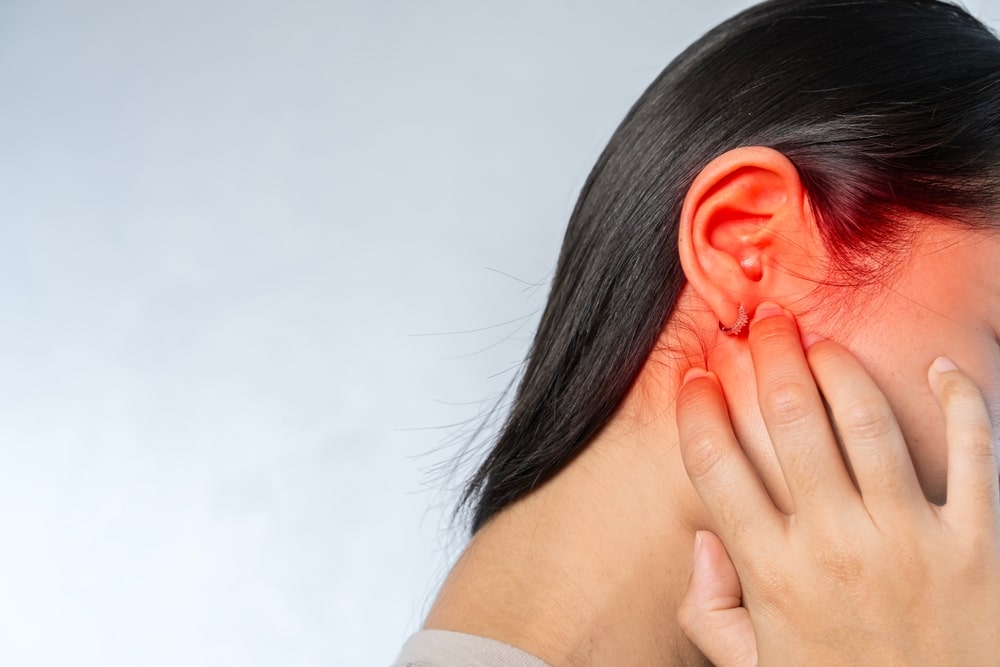
Tinnitus occurs when the auditory system sends signals to the brain in the absence of external sound. While the exact mechanisms vary, tinnitus is closely tied to how the brain processes sound input. When the ears or auditory pathways are overstimulated or stressed, tinnitus often becomes louder or more persistent. Sounds that are excessively loud, sustained, or high-pitched tend to be the most problematic, especially when exposure occurs without hearing protection.
Learning more about tinnitus evaluation and management helps patients understand why tinnitus behaves differently from person to person and why identifying triggers is an important part of long-term management.
Headphones and Personal Audio Devices
One of the most common tinnitus triggers today is prolonged headphone or earbud use. Listening at high volumes, even for relatively short periods, can fatigue the auditory system. Many people underestimate volume levels, particularly when using earbuds in noisy environments where background sounds compete with audio. Over time, this repeated strain can worsen tinnitus intensity or frequency.
Streaming music, podcasts, or phone calls directly into the ears bypasses natural sound buffering that occurs with speakers. Even moderate volume can become problematic when exposure is frequent. Patients who rely on personal audio devices for work or commuting often notice tinnitus flare-ups after long listening sessions.
City Noise and Urban Living
Living or working in urban areas like Annapolis and Baltimore exposes individuals to constant background noise. Traffic, sirens, construction, and public transportation create sustained sound levels that may not seem alarming but can still stress sensitive ears. Unlike sudden loud noises, continuous ambient sound keeps the auditory system engaged for long periods, which can heighten tinnitus awareness later in the day.
Some individuals notice that tinnitus becomes more noticeable at night after a day surrounded by noise. This delayed response reflects auditory fatigue rather than immediate damage, highlighting why even “normal” city noise can act as a trigger.
Household Sounds That May Surprise You
Many patients are surprised to learn that everyday household sounds can worsen tinnitus. Vacuum cleaners, blenders, hair dryers, and lawn equipment all generate sound levels capable of irritating sensitive auditory pathways. Power tools and leaf blowers are especially problematic because of their combination of volume and high-frequency noise.
These sounds often feel unavoidable, which is why awareness is important. Short-term exposure may not cause permanent harm, but repeated exposure without protection can intensify tinnitus symptoms over time.
Workplace Noise and Occupational Exposure
Workplace noise remains a significant contributor to tinnitus flare-ups. Construction sites, manufacturing floors, fitness studios, and even busy office environments can expose workers to sustained sound levels. In some professions, communication relies on speaking over background noise, further increasing vocal and auditory strain.
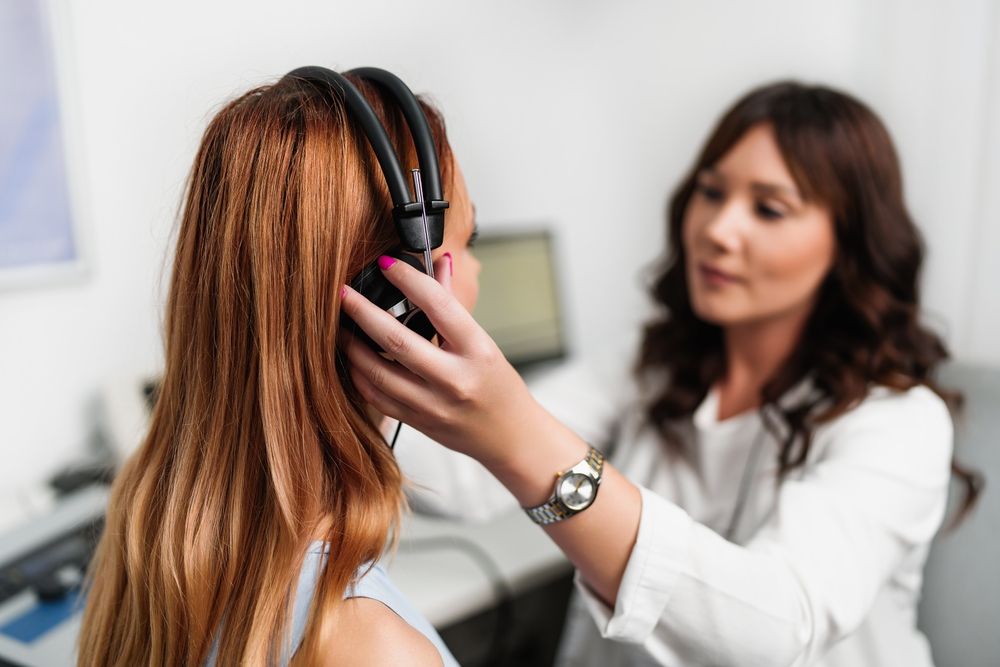
Individuals who work in noisy settings may benefit from regular hearing monitoring and proactive management strategies. Understanding how hearing loss and tinnitus often develop together helps patients recognize why workplace exposure deserves attention even when hearing seems adequate.
Sudden Loud Sounds and Acoustic Shock
Sudden, unexpected noises can cause immediate tinnitus spikes. Slamming doors, dropped objects, fireworks, or emergency sirens can momentarily overwhelm the auditory system. While these brief exposures may not cause permanent damage, they can temporarily intensify ringing or buzzing, especially in individuals already experiencing tinnitus.
Patients often describe these episodes as “setbacks,” even though symptoms usually settle back to baseline. Recognizing these patterns helps reduce anxiety when temporary spikes occur.
How Stress and Sound Interact
Stress plays a significant role in how tinnitus is perceived. Loud environments often increase physical tension, which can amplify tinnitus awareness. When stress levels rise, the brain becomes more sensitive to internal sensations, including ringing. This explains why tinnitus often feels louder during busy, overstimulating days and quieter during periods of rest.
Addressing sound triggers alone is not always enough. Managing stress, improving sleep quality, and reducing listening fatigue all support better tinnitus control.
Protecting Your Ears Without Avoiding Life
Avoiding sound entirely is neither realistic nor helpful. Instead, the goal is balanced sound exposure. Using hearing protection during loud activities, lowering personal audio volumes, and taking listening breaks can significantly reduce tinnitus flare-ups. Many patients find that simply being mindful of sound environments helps them anticipate and prevent symptom spikes.
For individuals whose tinnitus worsens alongside ear fullness or pressure, understanding ear congestion and pressure can provide additional insight into why symptoms fluctuate during illness or allergy seasons.
When Tinnitus Triggers Warrant Evaluation
Occasional tinnitus spikes after loud sound exposure are common, but persistent worsening deserves evaluation. Patients should seek guidance if tinnitus becomes louder over time, interferes with sleep or concentration, or appears suddenly after noise exposure. Changes in tinnitus quality, such as pulsing or unilateral ringing, also warrant professional assessment.
Evaluation helps determine whether tinnitus is linked to hearing changes, noise exposure, or other underlying factors. Identifying triggers is often one of the most empowering steps patients take toward long-term comfort.
Living More Comfortably With Sound Sensitivity
Tinnitus does not mean giving up favorite activities or avoiding sound altogether. With awareness and proactive strategies, most individuals learn how to reduce triggers and regain confidence in daily environments. Understanding which sounds aggravate tinnitus allows patients to protect their hearing while continuing to live active, engaged lives.
Anne Arundel ENT & Facial Plastic Surgery in Severna Park and Annapolis provides educational support for individuals throughout the Baltimore region who want to better understand tinnitus triggers and develop strategies for protecting sensitive hearing.
Sources
Baguley, D. M., et al. (2013). Tinnitus. The Lancet.
Henry, J. A., et al. (2014). General review of tinnitus management. Journal of Speech, Language, and Hearing Research.
Cima, R. F. F. (2018). Tinnitus management: An evidence-based approach. Trends in Hearing.