As we age, our bodies go through many changes, and our hearing is no exception. Age-related hearing loss, also known as presbycusis, is one of the most common conditions affecting older adults. It tends to develop gradually, often going unnoticed until communication becomes difficult. Many people begin to struggle with understanding speech, especially in noisy places, or find themselves turning up the television volume more than before. At Anne Arundel ENT & Facial Plastic Surgery, our audiology team helps patients throughout Annapolis and Severna Park recognize the early signs of hearing loss, explore effective treatment options, and stay connected to the people and activities they love.
In This Blog:
- What Is Age-Related Hearing Loss (Presbycusis)?
- Common Causes and Contributing Factors
- Signs and Symptoms to Watch For
- How Hearing Tests Can Help
- Treatment and Management Options
- Tips for Protecting Your Hearing as You Age
- When to See an Audiologist
What Is Age-Related Hearing Loss (Presbycusis)?
Age-related hearing loss, also called presbycusis, is a gradual and permanent type of hearing loss that occurs as part of the natural aging process. It typically affects both ears equally and makes it harder to hear high-pitched sounds or understand speech clearly, especially in noisy environments.
This condition develops slowly over time, which is why many people don’t notice it right away. Unlike hearing loss caused by sudden injury or infection, presbycusis results from long-term changes in the inner ear (cochlea), auditory nerve, and even the brain’s ability to process sound. It’s one of the most common chronic conditions among older adults, affecting nearly one in three people over the age of 65.
Understanding presbycusis is the first step toward managing it effectively. With proper diagnosis and treatment, most patients can significantly improve their communication and quality of life.
Common Causes and Contributing Factors
Age-related hearing loss has several underlying causes, many of which work together over time. These include:
- Natural aging of the inner ear: The delicate hair cells in the cochlea, which convert sound waves into electrical signals for the brain, naturally wear down with age.
- Noise exposure: Years of exposure to loud sounds, from concerts, machinery, or even everyday tools, can accelerate damage to these sensory cells.
- Genetics: Family history plays a strong role. If your parents or siblings experienced age-related hearing loss, you may be at higher risk.
- Health conditions: Diseases such as diabetes, high blood pressure, and cardiovascular disease can affect blood flow to the inner ear, contributing to hearing damage.
- Ototoxic medications: Certain prescription drugs, such as some antibiotics, chemotherapy agents, or diuretics, may harm the auditory system over time.
Because these factors can combine and progress silently, it’s essential to monitor hearing health with regular screenings, especially after age 50.
Signs and Symptoms to Watch For
Age-related hearing loss often develops subtly. You might not realize it’s happening until family members point out changes. Common signs include:
- Difficulty understanding speech, particularly in group settings or restaurants
- Needing to turn up the TV or radio volume higher than others prefer
- Frequently asking people to repeat themselves
- Trouble hearing consonants or high-pitched sounds like birds or doorbells
- Feeling tired or frustrated after long conversations
- Withdrawing from social activities because communication feels difficult
Recognizing these symptoms early allows for faster diagnosis and intervention, preventing further social or emotional effects.
How Hearing Tests Can Help
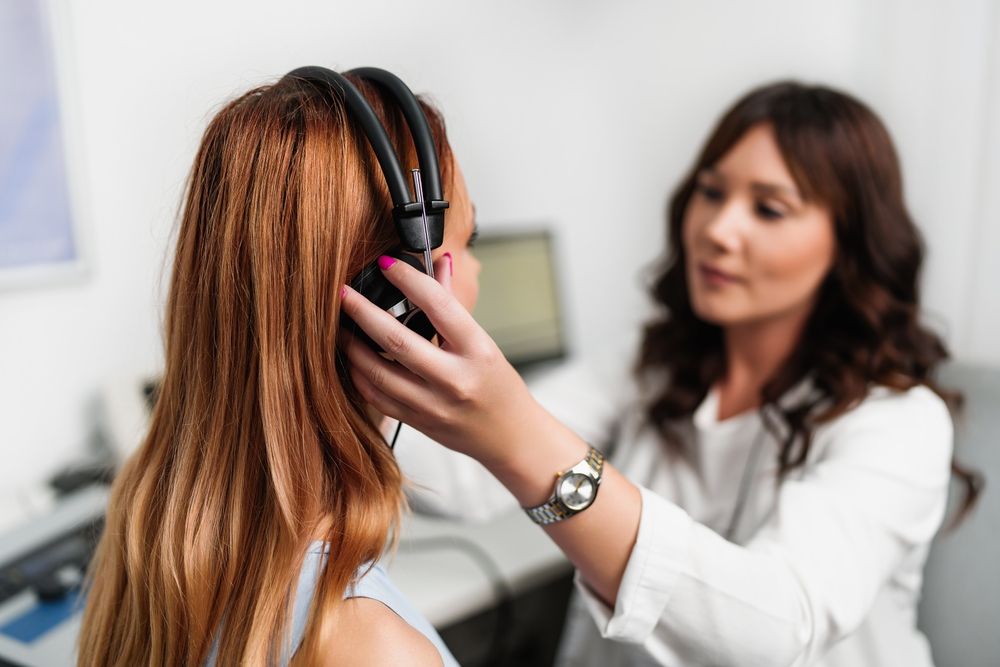
A professional hearing evaluation is the most effective way to determine if hearing loss is present and to what extent. During a hearing test at Anne Arundel ENT & Facial Plastic Surgery, our audiologists will:
- Review your medical and hearing history
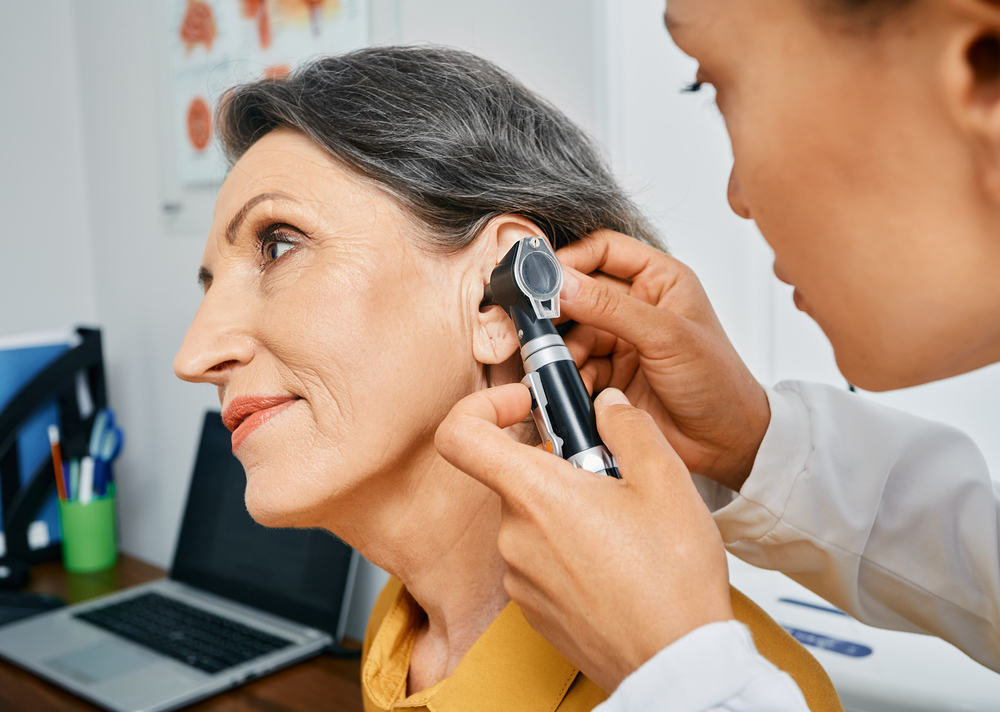
- Perform ear examinations to check for blockages or infections
- Conduct audiometric testing, which measures your ability to hear different tones and speech at various volumes
- Discuss your results in detail and recommend personalized solutions
Routine hearing tests, especially every one to two years after age 50, can detect even mild hearing loss before it begins to interfere with daily communication.
Treatment and Management Options
While age-related hearing loss cannot be reversed, it can be effectively managed. Modern solutions offer discreet, comfortable, and highly effective ways to restore clarity and connection. These include:
- Hearing aids: Today’s digital hearing aids are smaller, smarter, and more adaptable than ever, improving speech understanding in various environments.
- Assistive listening devices: Tools such as amplified telephones or TV streamers help enhance specific listening situations.
- Cochlear implants: For patients with severe hearing loss who don’t benefit from hearing aids, implants can directly stimulate the auditory nerve.
- Communication strategies: Facing your conversation partner, reducing background noise, and using clear speech cues can all make communication easier.
Our audiology specialists will help you choose the right combination of devices and techniques to match your lifestyle and hearing goals.
Tips for Protecting Your Hearing as You Age
Even if some hearing loss has already occurred, taking proactive steps can help preserve what remains:
- Limit exposure to loud environments and use ear protection when needed.
- Keep chronic conditions like diabetes and hypertension under control.
- Avoid smoking, which can reduce blood flow to the inner ear.
- Maintain a balanced diet rich in antioxidants and omega-3 fatty acids to support ear health.
- Schedule regular hearing checkups with your audiologist.
Healthy habits and consistent monitoring can slow progression and support long-term hearing wellness.
When to See an Audiologist
You should schedule a hearing evaluation if you:
- Notice difficulty following conversations
- Experience ringing or buzzing in your ears (tinnitus)
- Have trouble hearing in noisy places
- Feel that others are mumbling or speaking too softly
Don’t wait for symptoms to worsen. The sooner hearing loss is diagnosed, the more options are available to preserve and improve your hearing.
Conclusion
Age-related hearing loss is common, but it doesn’t have to limit your quality of life. With early detection, advanced hearing technology, and expert care, you can continue enjoying meaningful conversations and vibrant daily experiences.
If you’ve noticed changes in your hearing, schedule a comprehensive hearing evaluation with the audiology team at Anne Arundel ENT & Facial Plastic Surgery. Our offices in Annapolis and Severna Park, Maryland, offer personalized solutions to help you hear, and live, better.