
Itchy ears can be surprisingly uncomfortable and even a little embarrassing. While occasional itching is usually harmless, persistent ear itchiness can signal dryness, irritation, allergies, or even an infection. Understanding what’s behind the itch can help you find relief and protect your ear health. In this guide, we’ll explore the most common reasons ears itch and share safe, simple remedies to soothe the irritation.
In This Blog:
- What Causes Itchy Ears?
- Common Conditions Linked to Ear Itching
- When It’s Safe to Treat Itchy Ears at Home
- Effective Home Remedies for Itchy Ears
- What Not To Do (Avoid These Ear Habits)
- When to See an ENT Specialist
What Causes Itchy Ears?
The skin inside your ear canal is delicate and packed with nerve endings, making it particularly sensitive to dryness, debris, and infection. Earwax usually helps protect and moisturize this area, but when balance is disrupted through excessive cleaning, moisture, or irritation, it can trigger an itchy response.
Common Conditions Linked to Ear Itching
Dry Skin
When the ear canal doesn’t produce enough natural oil or wax, dryness and flakiness can occur. This is especially common in people who over-clean their ears or live in low-humidity environments.
Earwax Buildup
Contrary to popular belief, earwax is beneficial. It traps dust, moisturizes the canal, and protects against infection. However, when wax builds up excessively, or is removed too aggressively, it can lead to itching and discomfort.
Allergies
Seasonal allergies, food sensitivities, or contact allergens (like hair products or earrings) can cause itchiness inside or around the ears. You might also notice your throat or eyes itching at the same time.
Ear Infections
Bacterial or fungal infections in the ear canal (otitis externa or “swimmer’s ear”) often begin with itching. Other signs may include pain, fluid drainage, or muffled hearing.
Skin Conditions
Chronic skin conditions like eczema, psoriasis, or seborrheic dermatitis can affect the outer ear and canal, leading to persistent dryness, redness, and itching.
Swimmer’s Ear
Prolonged moisture in the ear creates a perfect environment for bacteria and fungi. Swimmer’s ear often starts with itching before progressing to pain or drainage.
Hearing Aid Irritation
People who wear hearing aids may experience itching from trapped moisture, bacteria buildup, or sensitivity to the device materials. Regular cleaning and checking the fit can help prevent irritation.
When It’s Safe to Treat Itchy Ears at Home
Mild, occasional itching without pain, drainage, or hearing loss can usually be managed at home. However, if symptoms persist or worsen, it’s best to consult an ENT specialist to rule out infection or inflammation.
Effective Home Remedies for Itchy Ears
- Use a few drops of mineral or olive oil to moisturize dryness (only if there’s no perforated eardrum or infection).
- Try over-the-counter hydrating ear drops designed for dry or itchy ears.
- Manage allergies with antihistamines or nasal sprays recommended by your doctor.
- Dry your ears gently after swimming or showering by tilting your head and patting the outer ear.
- Avoid irritants such as hair sprays or harsh soaps that can inflame the ear canal.
What Not To Do
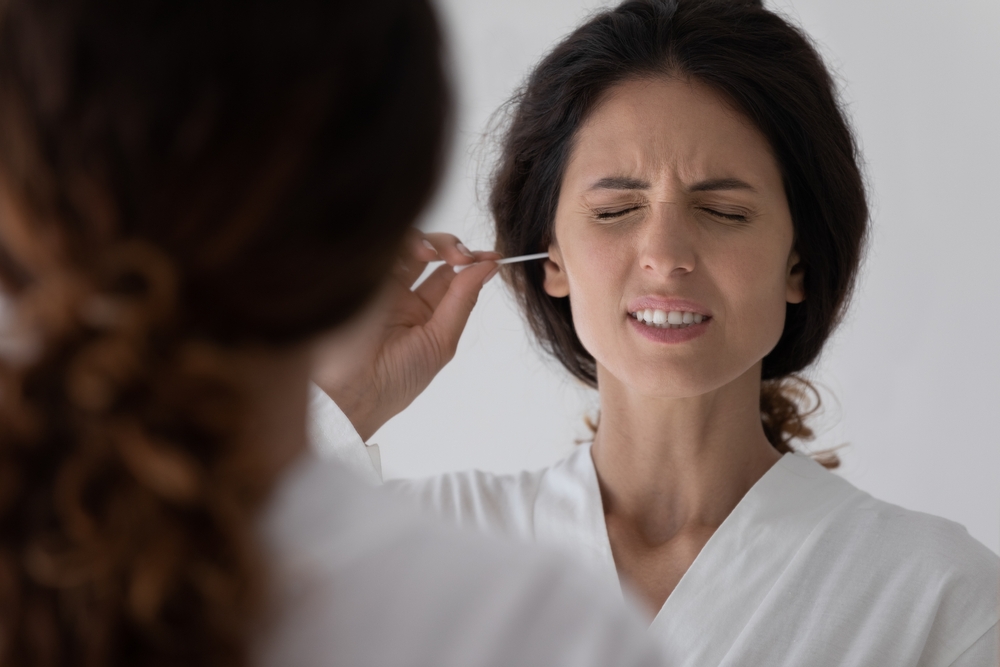
- Don’t use Q-tips, bobby pins, or ear candles since these can damage the ear canal or push wax deeper.
- Avoid inserting oils or creams unless directed by a doctor.
- Don’t over-clean because removing too much wax can strip the ear’s natural protection.
When to See an ENT Specialist
You should make an appointment with an ENT if:
- The itching lasts more than a week or keeps coming back
- You experience pain, drainage, or hearing changes
- Your hearing aids cause irritation or pressure sores
- You have a history of eczema, psoriasis, or ear infections
An ENT specialist can safely remove wax, diagnose skin or allergy-related causes, and recommend prescription drops or topical treatments if needed.
Conclusion
Itchy ears are common, but they don’t have to become a chronic problem. With gentle ear care, moisture control, and professional evaluation when necessary, you can keep your ears healthy and comfortable. At Anne Arundel ENT & Facial Plastic Surgery, our team offers expert diagnosis and treatment for ear, nose, and throat conditions for patients across Annapolis and Severna Park, MD. If you’re experiencing persistent ear itching or discomfort, we can help identify the cause and provide personalized treatment options for lasting relief.
If your ears are itching and at-home care isn’t helping, schedule an appointment with Anne Arundel ENT & Facial Plastic Surgery today at either our Annapolis or Severna Park locations.